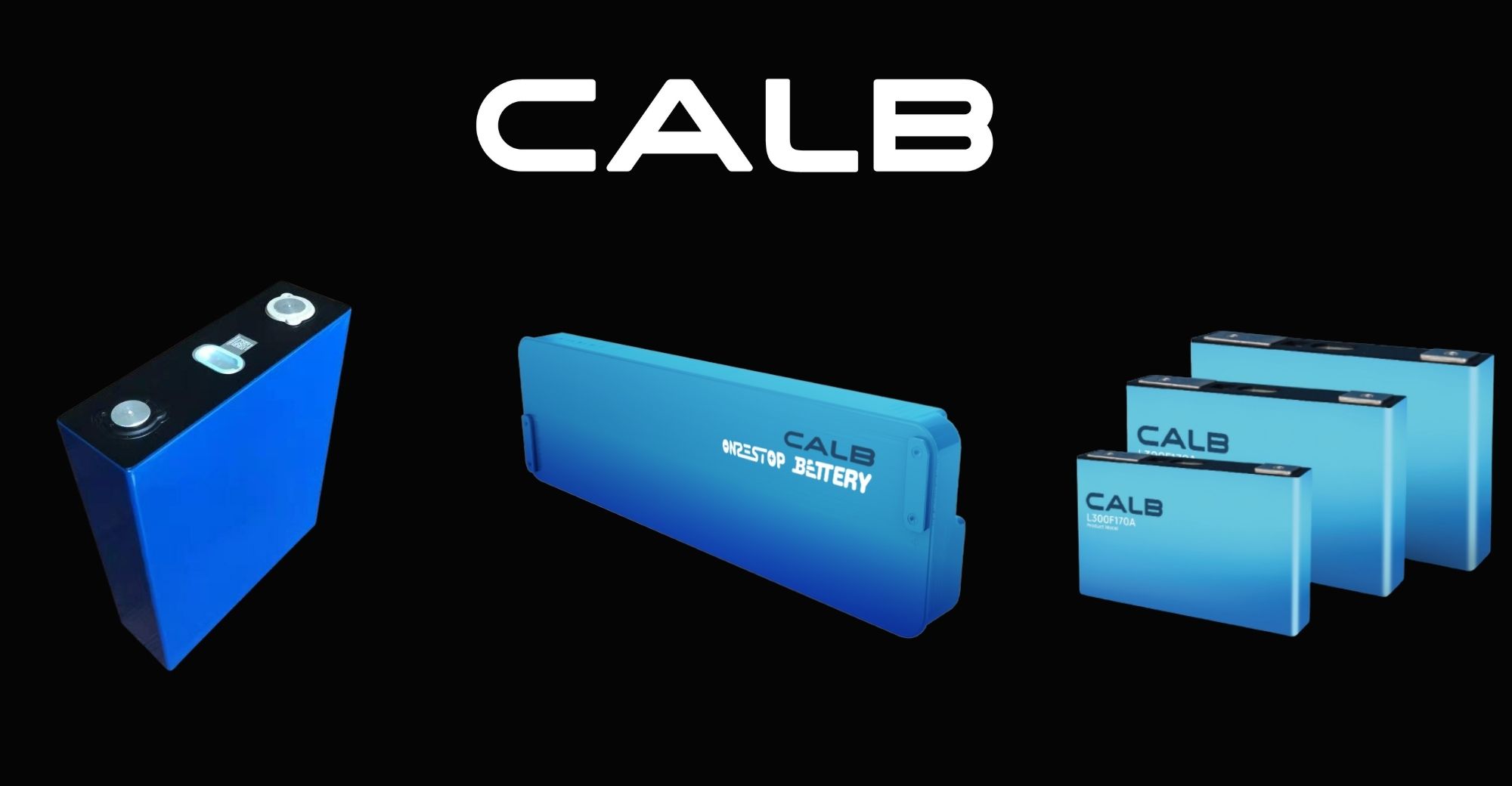
- CALB is pivoting from passenger EV batteries into commercial vehicles, marine, eVTOL, motorcycles and robotics as capacity eases and to capture adjacent high-growth segments pressured by cost and share battles.
- CALB reported 50.1 GWh installations in first nine months of 2026, up 27.1% year‑on‑year, ranking fifth globally with ~5% share, and projects multi‑fold shipment growth in 2027.
- Targets for trunk logistics and heavy trucks pit CALB against commercial battery suppliers, but risks include scaling megawatt charging, interoperability, vehicle integration and proving lifetime operating cost benefits.
CALB expects its product deliveries to continue growing in 2026, with shipments to the commercial vehicle sector increasing 133% year on year over the past 12 months.
As capacity constraints are gradually eased and new businesses come online, the company forecasts multiple-fold growth in shipments in 2027, according to a Chinese media report.
The anticipated growth is not expected to come solely from the passenger vehicle power battery market.
CALB is expanding into sectors including marine applications, electric vertical take-off and landing (eVTOL) aircraft, and high-end electric motorcycles.
It is also increasing investment in the robotics market, focusing on areas such as energy systems, sensors and robotic skeletons.

At the industry level, Chinese battery manufacturers continue to increase their share of the global market.
According to SNE Research, seven major Chinese battery makers together accounted for more than 73% of global battery installations in the first nine months of 2026, up 3.6 percentage points year on year.
CALB recorded 50.1 GWh in battery installations over the same period, up 27.1% year on year, ranking fifth globally with a market share of approximately 5%.
In the passenger vehicle segment, CALB is focusing this year on premium battery electric vehicles and plug-in hybrid models with larger battery packs.
To serve these two market segments, the company is working to improve energy density and safety across materials, cell chemistry and battery system design.
It is also adopting lightweight technologies, including fiber-reinforced composite materials, to reduce battery pack weight.

These improvements are intended for applications such as premium EVs and eVTOL aircraft, which place high demands on both energy density and safety.
Commercial vehicles have become one of CALB’s faster-growing business segments.
Electrification penetration in fixed-route, short-distance transport applications such as ports and mines has already exceeded 70%.
By comparison, the electrification rate in interprovincial, medium- and long-haul trunk logistics remains just 0.9%.
A CALB executive said the key to electrifying trunk logistics is not simply whether vehicles can meet range requirements, but whether they can deliver competitive operating costs over their entire service life.
To address this challenge, CALB has introduced its second-generation Zhiyuan CMT battery solution.
It features an integrated, purpose-built design that combines the battery system with the heavy-duty truck chassis, alongside a megawatt-level charging and energy replenishment solution.

According to the company’s estimates, the solution can increase a truck’s payload capacity by 0.6 tonnes and generate approximately RMB 30,000 ($4,503.60) in additional annual revenue.
For the trunk logistics market, CALB has also outlined targets for 2030: more than 60 GWh of batteries under management, services for over 100,000 new energy heavy-duty trucks, and annual carbon emissions reductions of 15 million tonnes.
The company also plans to promote interoperability between operating standards and data systems.
Discover more from ChinaEVHome
Subscribe to get the latest posts sent to your email.