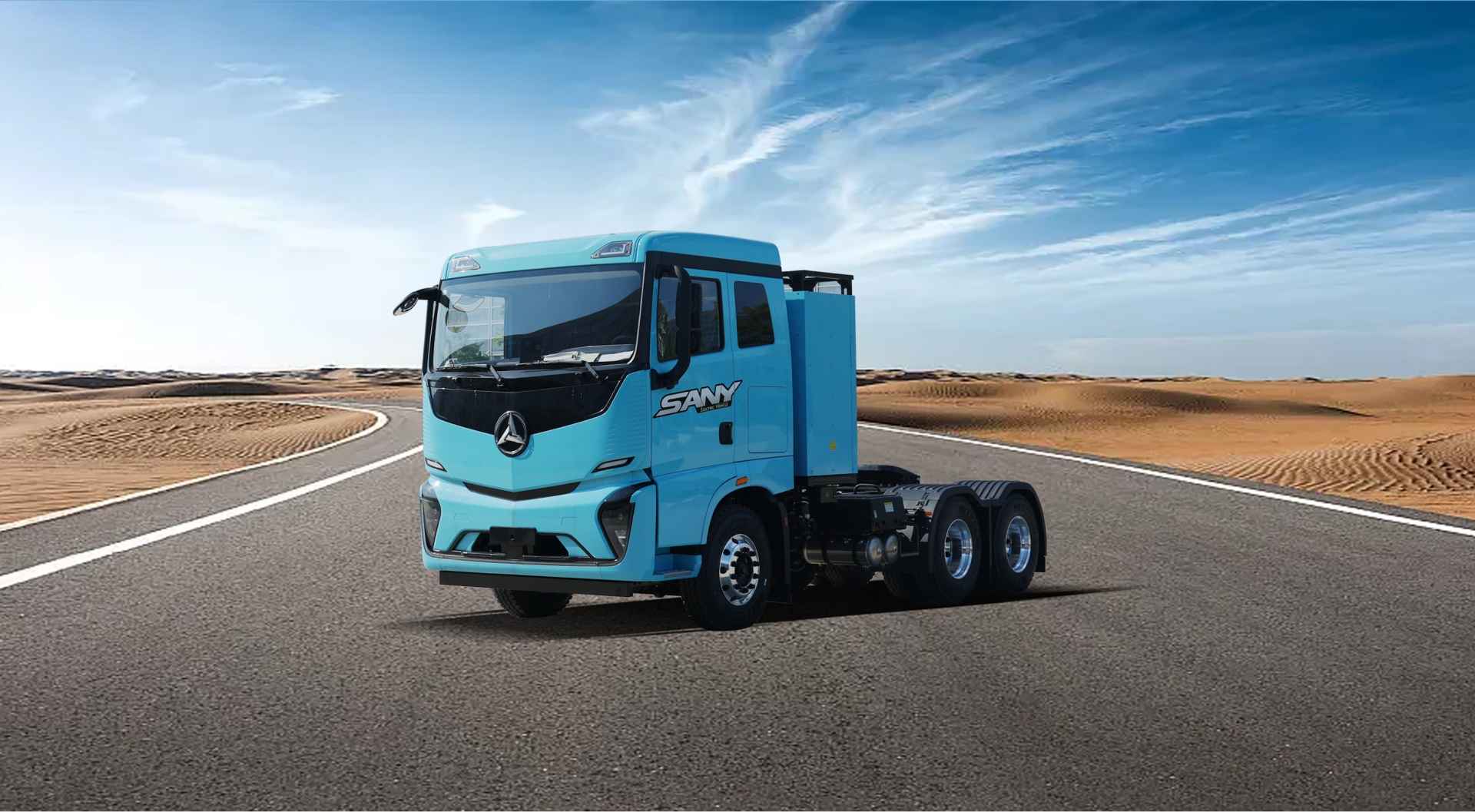
- China sold 600,000 electric trucks in Jan–Oct 2026, with electric heavy-duty truck sales hitting 262,000 units, reflecting 68% year‑on‑year growth and 30% share of total truck sales.
- Exports of electric heavy trucks more than doubled to 16,823 units in the four months after Feb 28, with roughly half shipped to South and Southeast Asian markets, boosting BYD and other OEMs' international volumes.
- Rising heavy-truck battery demand threatens lithium supply, potentially using nearly 7% of global lithium in 2026 and risking raw-material constraints, scaling and margin pressure for battery makers.
China’s commercial vehicle electrification is accelerating, with heavy-duty trucks emerging as one of the faster-growing segments.
According to data from BofA Global Research cited by Reuters, China sold 600,000 electric trucks in the first 10 months of 2026.
This represents a 45% year-on-year growth, accounting for 30% of total truck sales across all powertrain types.
Sales of electric heavy-duty trucks reached 262,000 units, up 68% year over year, significantly outpacing growth in the broader electric truck market.
The expansion of electric heavy-duty trucks is also beginning to show up in export figures.

Data from China’s General Administration of Customs show that in the four months following February 28 this year, exports of Chinese electric heavy-duty trucks reached 16,823 units, more than doubling from a year earlier.
Around half of these vehicles were shipped to South and Southeast Asian markets, where rising international fuel prices have increased interest among local transport operators in electric trucks.
Compared with passenger cars, heavy-duty trucks typically travel longer distances, carry heavier loads and consume more energy.
For logistics fleets operating vehicles over extended periods, the initial purchase price is important, but fuel or electricity costs also have a significant impact on total operating expenses.

On fixed routes with reliable access to charging or battery-swapping facilities, electric heavy-duty trucks can potentially improve long-term operating economics through lower energy costs.
The growth in electric heavy-duty truck sales is also having an impact on the power battery industry and upstream raw material markets.
Because heavy-duty trucks require much larger battery packs, the amount of lithium and other battery materials used per vehicle is generally higher than that of a typical battery electric passenger car.

As a result, even though electric heavy-duty trucks account for a much smaller share of total vehicle sales than passenger cars, their impact on battery material demand could be substantial.
YJ Lee, a fund manager at Singapore-based Arcane Green Metal Fund, estimates that electric trucks will consume nearly 7% of global lithium supply in 2026. That share could rise to 12% by 2030.
Based on Lee’s estimates, lithium consumption by electric trucks in 2030 could be equivalent to the battery demand of as many as 11.5 million battery electric passenger vehicles.
UK-based consultancy SFA Oxford has also raised its forecast for lithium demand from heavy-duty electric vehicles in 2026 by 95% over the past year.
Discover more from ChinaEVHome
Subscribe to get the latest posts sent to your email.