- China's EV charging and battery-swap electricity use jumped 59.4 percent year-on-year in October, reflecting rapid daily energy replenishment demand from a swelling new energy vehicle fleet.
- Charging infrastructure reached 25.391 million units by end-October, with 614,000 new units added in October and automakers reporting proprietary networks like NIO's 9,877 stations.
- Growth pressures legacy infrastructure and margins as rivals BYD, NIO, Geely expand networks, facing execution risks around scaling pace, station buildout timing, and grid integration.
On November 23, data released by the National Energy Administration (NEA) showed that China’s total societal electricity consumption reached 870.9 billion kWh in October, up 1.6 percent year-on-year and rebounding 0.4 percentage points from September’s pace.
Accounting for the elevated base in October 2025—when electricity consumption rose 10.4 percent year-on-year to mark that year’s highest monthly growth rate—the two-year compound annual growth rate (CAGR) for October 2026 stood at 6.1 percent against the same period in 2024.
Against relatively steady aggregate power demand growth, the electric vehicle charging and battery-swap service sector delivered standout expansion.

In October, electricity consumption in the tertiary sector totaled 171.4 billion kWh, rising 6.3 percent year-on-year.
Within that segment, electricity consumption by the charging and battery-swap service industry reached 18.6 billion kWh.
This surges 59.4 percent year-on-year—roughly 37 times the growth rate of total societal electricity consumption.
For the first ten months of the year, cumulative power consumption in the sector reached 150 billion kWh, representing a 55.9 percent year-on-year increase.
Sustained growth in charging and battery-swap electricity consumption directly reflects rising daily energy replenishment demand as China’s new energy vehicle fleet expands.

Data from the China Passenger Car Association (CPCA) indicates that domestic retail sales of new energy passenger vehicles reached 1.109 million units in October.
This lifts domestic retail penetration to a record high of 67.5 percent, up 10.5 percentage points year-on-year.
Cumulative retail sales of new energy passenger vehicles for the January–October period totaled 8.869 million units.
As NEVs capture a growing share of the passenger car market, charging and battery-swap have evolved from niche ancillary services into core infrastructure requiring continuous capacity expansion.
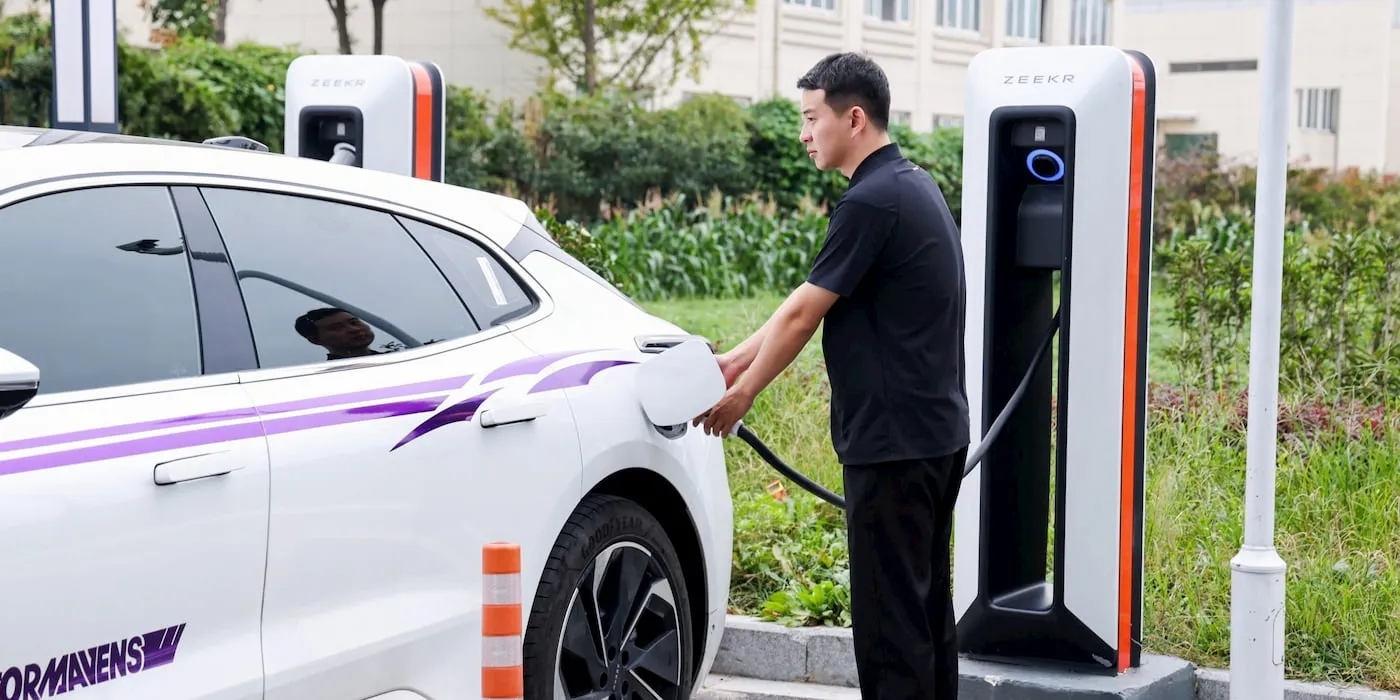
According to NEA figures, China’s total EV charging infrastructure reached 25.391 million units by the end of October, up 36.2 percent year-on-year.
In October alone, 614,000 new charging units were added nationwide, representing a 10.8 percent month-on-month increase over September.
Alongside public charging network expansion, automakers are accelerating the deployment of proprietary energy replenishment networks.

As of November 23, NIO had built 9,877 charging and battery-swap stations across China, comprising 5,610 charging stations and 4,279 battery-swap stations.
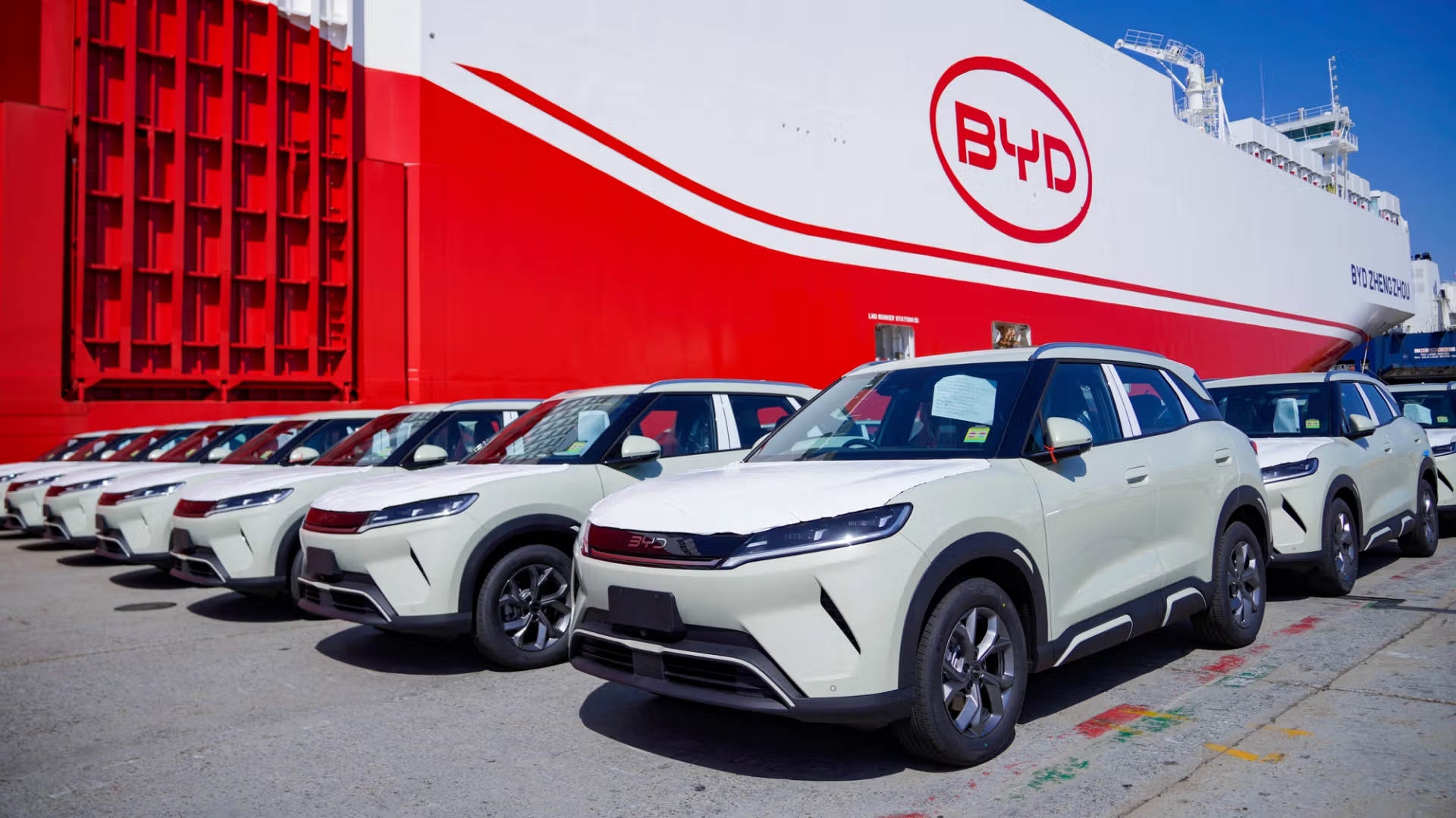
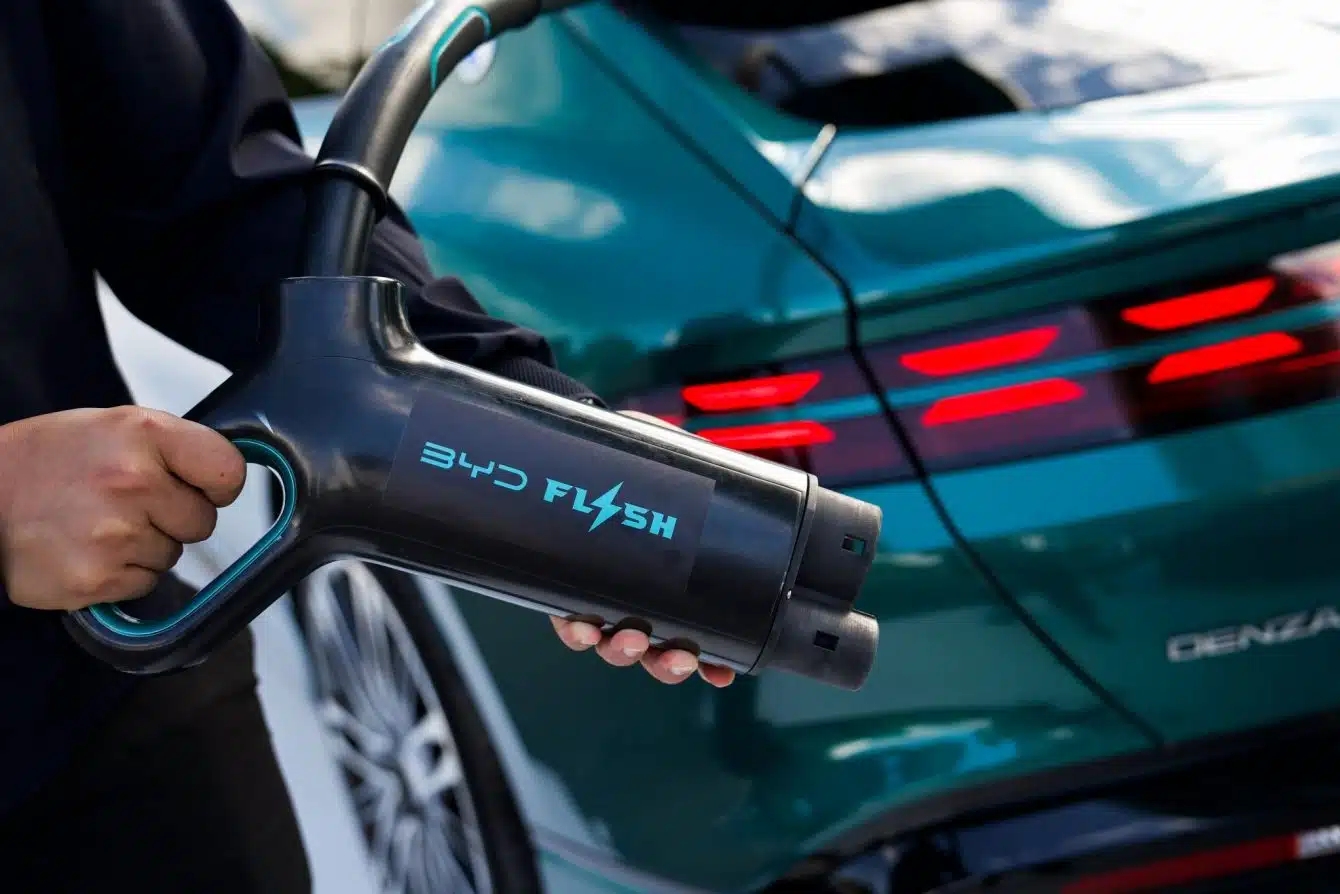
Meanwhile, BYD continues to expand its flash-charging network, operating 12,165 flash-charging stations as of October 20 with plans to scale the network to 20,000 sites by the end of 2026.
By the end of October, Geely had established 3,003 smart charging stations equipped with 13,800 charging connectors, including 1,766 ultra-fast charging stations.
Discover more from ChinaEVHome
Subscribe to get the latest posts sent to your email.