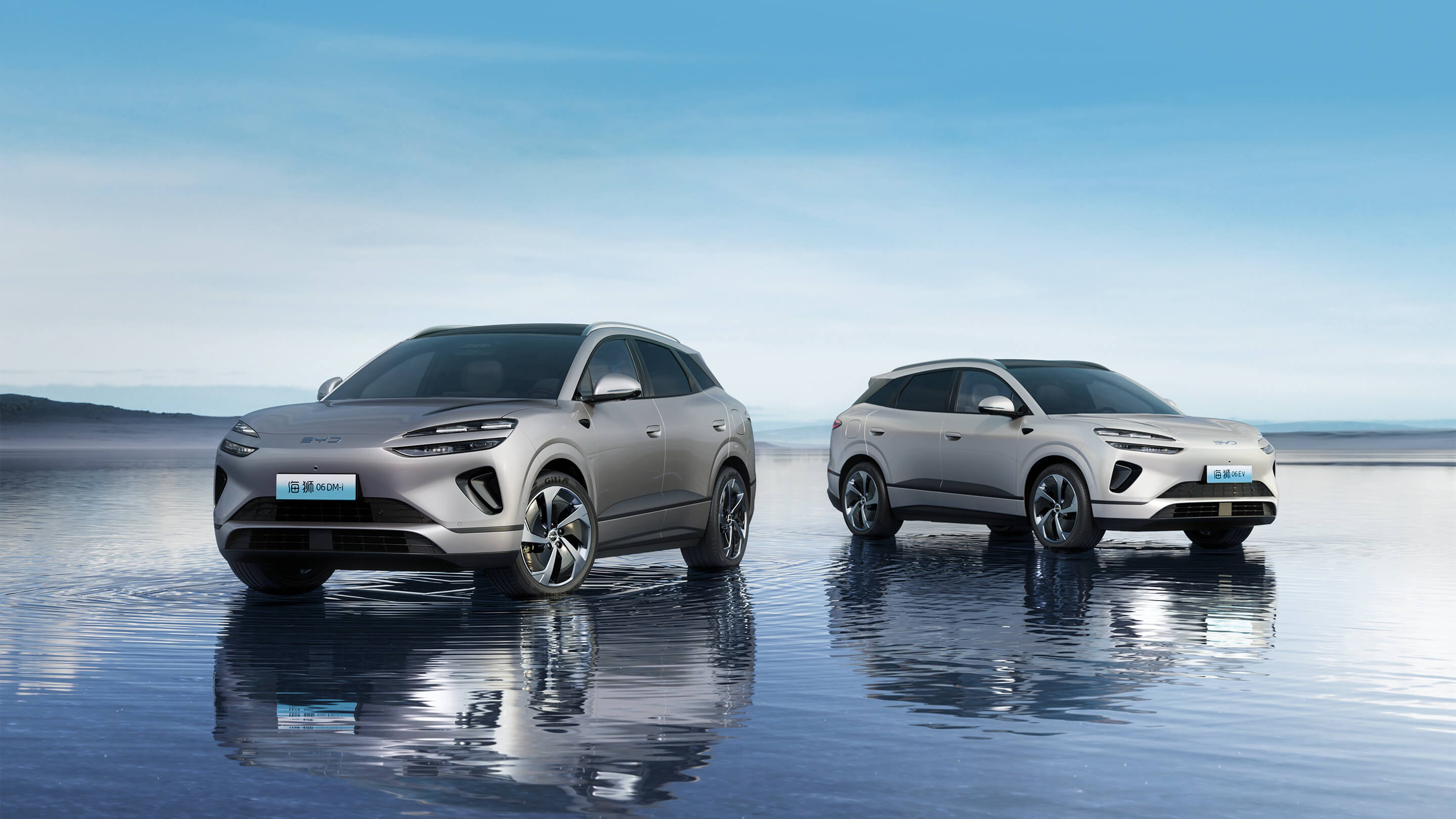
UBS has released its latest global electric vehicle consumer survey, revealing a significant shift in Chinese consumer sentiment: Tesla’s brand appeal continues to decline, now trailing behind domestic rivals BYD and Xiaomi.
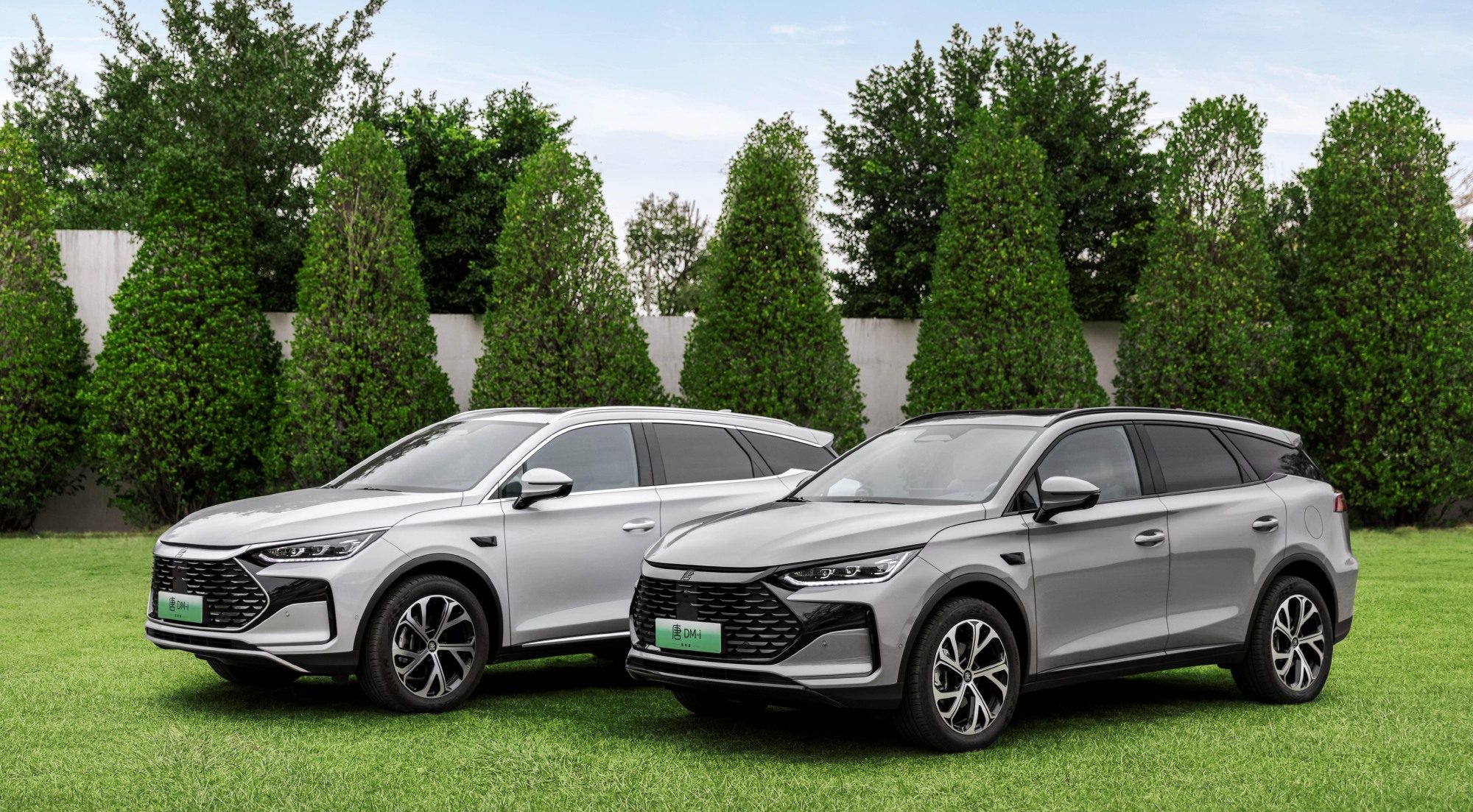
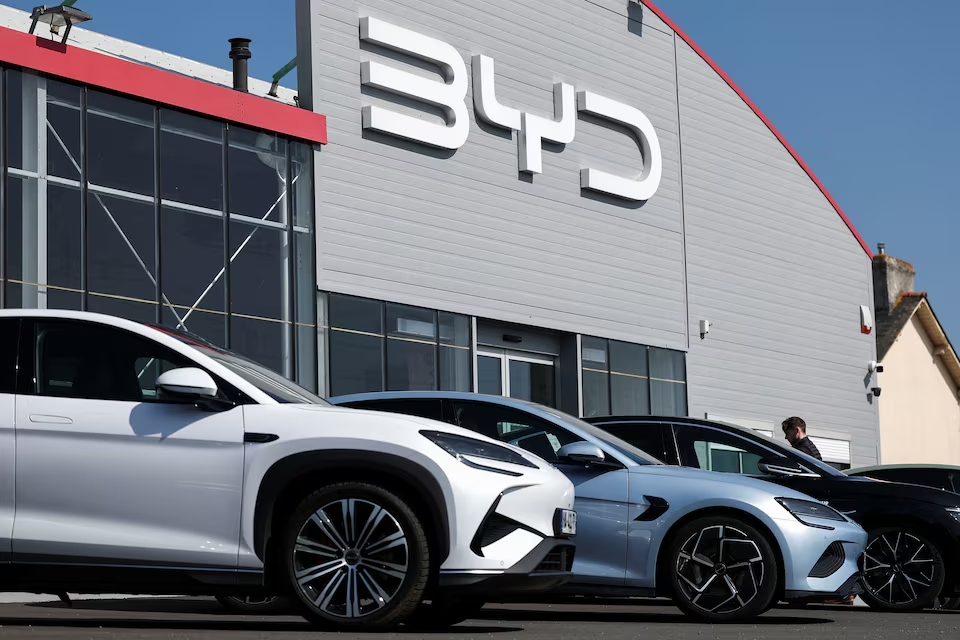
According to the survey, Tesla’s share as the top choice among Chinese EV buyers has dropped from 18% to 14%, while both BYD and Xiaomi have overtaken it with higher preference rates.

UBS analyst Joseph Spak noted that Tesla is no longer perceived as a technology leader in the Chinese market, with consumers increasingly favoring homegrown brands.
Sales data reinforce this trend. In April, BYD recorded over 370,000 units sold in China, maintaining its lead in the domestic passenger vehicle market. Xiaomi, a newcomer to the EV scene, sold 26,223 units of its SU7 model—outpacing the Tesla Model 3, which posted just 8,747 units—and ranked fourth among all battery electric sedans that month.

Tesla’s overall April sales in China stood at 28,731 units. While still ahead of Xiaomi in absolute terms, the figure represented a sharp 60% drop from the previous month, signaling a weakening momentum. The once-dominant perception of Tesla as a tech-forward brand is now being challenged by the rapid rise of local players offering comparable, if not superior, technology.
In areas such as intelligent driving, Chinese brands like ONVO, Li Auto, and Xiaomi have brought advanced features like urban NOA (Navigate on Autopilot) to vehicles priced around RMB 200,000, while XPeng has introduced similar capabilities at even lower price points, down to RMB 150,000.

Meanwhile, Tesla’s Full Self-Driving (FSD) remains expensive and slow to implement in China—factors that hinder its appeal to the mainstream market.
Whether Tesla will respond by lowering the price of FSD or launching more affordable models to regain its market share remains uncertain. But one thing is clear: as domestic EV makers continue to raise the bar, Chinese consumers are swiftly reevaluating what defines value, innovation, and brand relevance in the electric vehicle era.
Discover more from ChinaEVHome
Subscribe to get the latest posts sent to your email.