Amid global setbacks, Tesla’s sales in China stand out as a rare bright spot.
In Q2 2025, Tesla produced over 410,000 electric vehicles worldwide and delivered 384,000 units, marking a year-over-year decline of 13.48%. The company also deployed 9.6 GWh of energy storage products.
It is worth noting that the Model 3 and Model Y accounted for 373,700 deliveries, while all other models—including the Cybertruck—combined for only about 10,000 units. This quarter’s delivery performance was Tesla’s weakest since 2022 and represented the second consecutive quarter of year-over-year decline. Tesla’s cumulative sales for the first half of 2025 fell short of last year’s by 110,000 units. If this gap is not closed in the second half of the year, Tesla risks facing two consecutive years of declining sales.

Against this backdrop, Tesla’s performance in China became a rare highlight. According to the latest data from the China Passenger Car Association (CPCA), Tesla’s Shanghai Gigafactory delivered 191,000 vehicles in Q2, up 10.98% quarter-over-quarter. In June alone, Tesla sold 61,000 vehicles in China, a 59% month-over-month increase and a 3.7% year-over-year rise, setting a new record for monthly Q2 sales in the country.

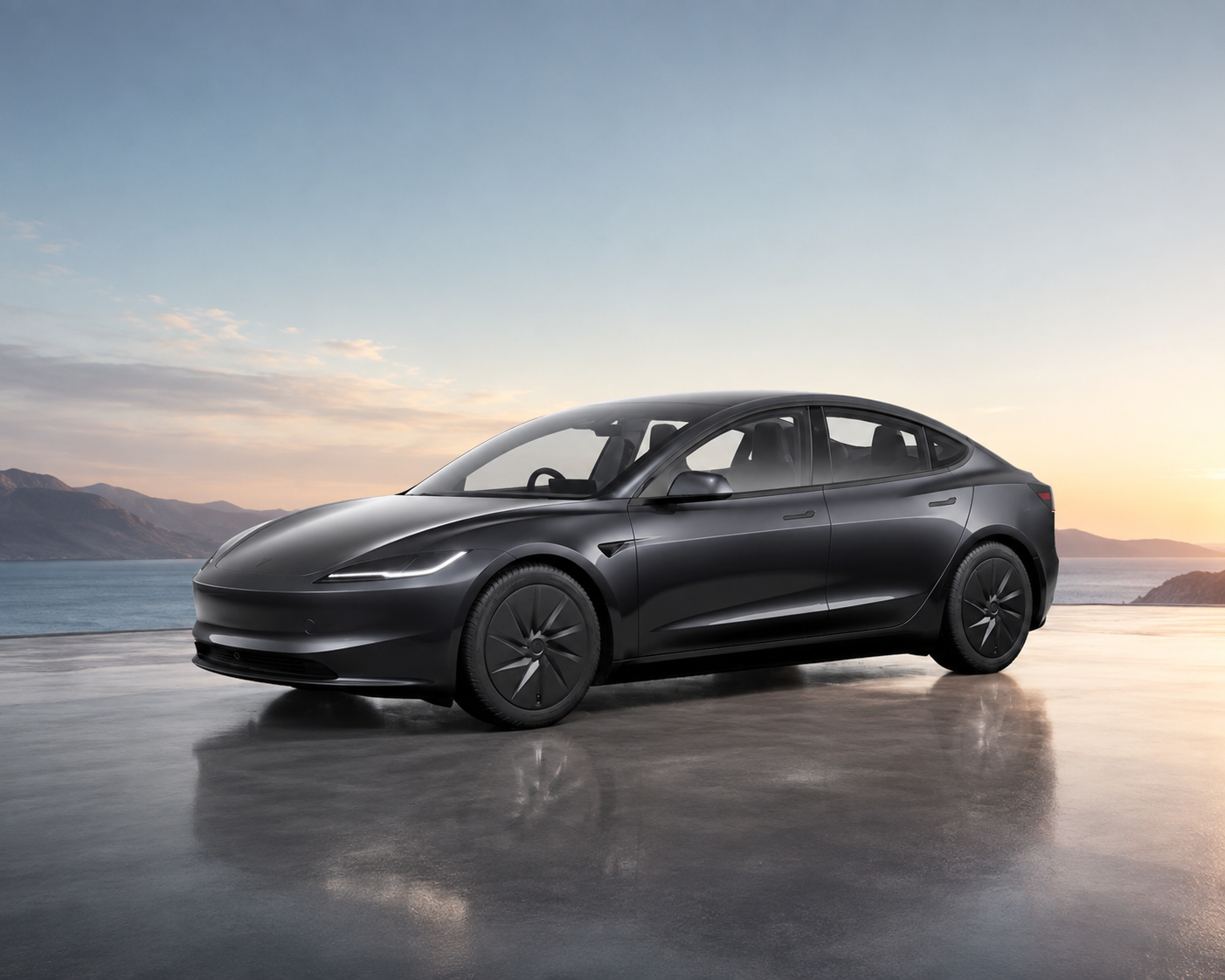
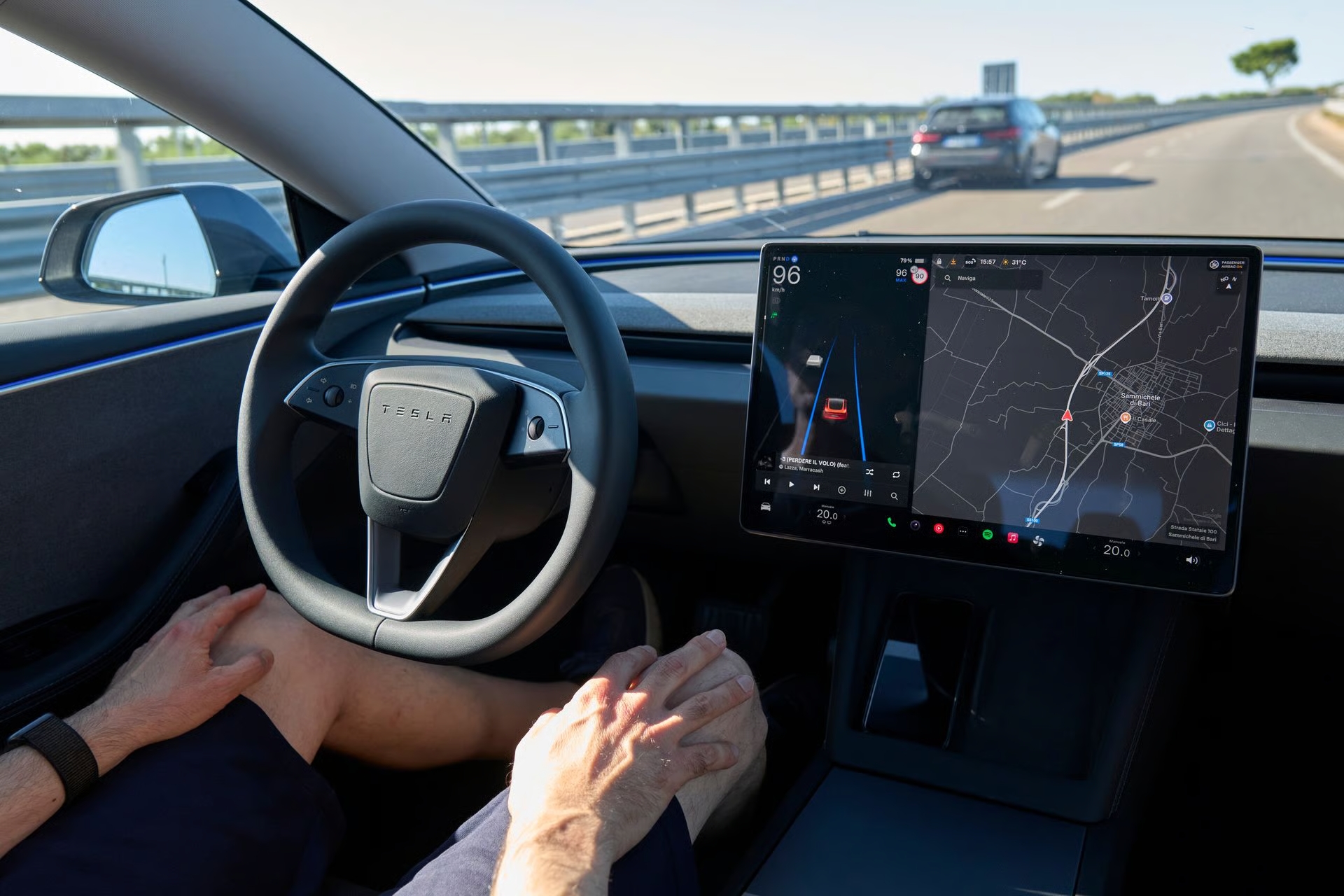
To boost sales in China, Tesla launched multiple promotional activities, such as limited-time transfer of Full Self-Driving (FSD) packages, 30-day free access to Enhanced Autopilot (EAP), a new version of the Supercharging card, an RMB 8,000 ($1,096) insurance subsidy for the updated Model 3, and 5-year interest-free financing. These initiatives contributed significantly to Tesla’s sales growth in the Chinese market.
This strong performance contrasts sharply with Tesla’s struggles in Europe. In Q1 2025, overall battery electric vehicle sales in Europe grew by 28%, yet Tesla’s sales dropped by 37.2%, indicating that consumer demand is not the issue.
In fact, Tesla’s declining sales are closely linked to the rapid global expansion of Chinese automakers and Elon Musk’s involvement in politics. Over the past few years, BYD has accelerated its overseas expansion and dramatically increased sales abroad. In Q1 2025, BYD surpassed Tesla with a 15.4% global market share, becoming the world’s top-selling pure electric brand.

Facing this situation, Tesla must rethink its approach: maintaining momentum in China while addressing the intensifying competition, and reversing its declining performance in Europe to get back on track globally.
According to Bloomberg, following the departure of Tom Afsar, who oversaw North American and European sales and manufacturing, Elon Musk has taken direct control of Tesla’s sales operations in those regions. Meanwhile, Tom Zhu, President of Tesla China, now leads the company’s entire manufacturing business globally while continuing to oversee Tesla’s Asia operations. This leadership restructuring suggests Tesla is aiming for a more integrated global strategy, with a particular focus on Europe (Click here to know more details).
In China, Tom Zhu drove Tesla’s rapid growth through localized production, flexible pricing, and efficient channel management. Now that Musk has personally taken charge of European sales, will he transplant China’s playbook to Europe and revive Tesla’s sales performance there?
Discover more from ChinaEVHome
Subscribe to get the latest posts sent to your email.