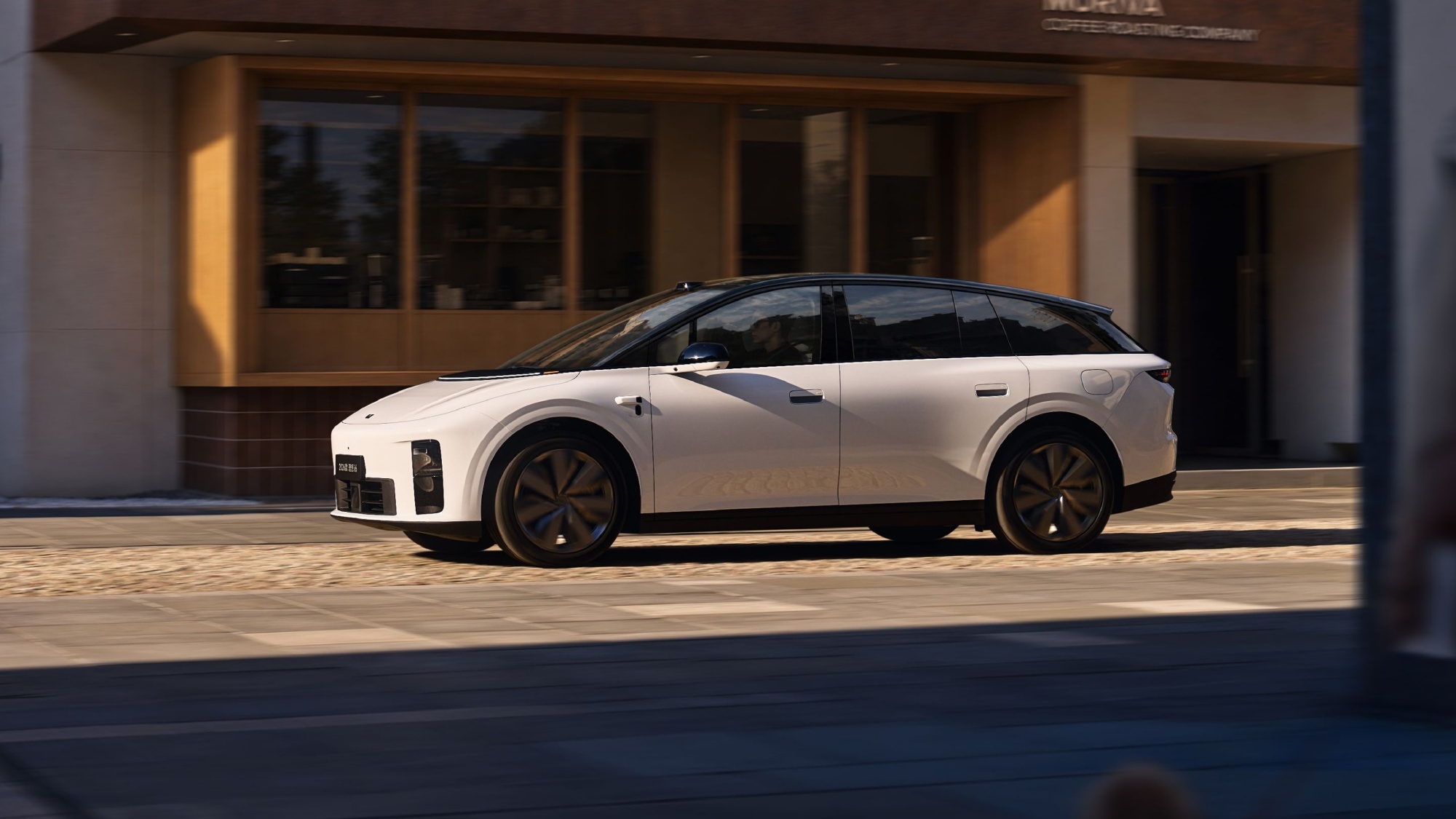
Amid widespread tightening of payment terms, Li Auto leverages its RMB 110.7 billion ($15.4 billion) cash reserve to stabilize its supply chain.
According to a report by China Securities Journal, Li Auto has officially implemented a unified 60-day payment cycle for its direct procurement suppliers, fulfilling its commitment to shorten payment terms and completing the associated procedural updates.

In practical terms, this means suppliers will now receive full cash wire transfers within 60 days of delivery—instead of waiting indefinitely for delayed payments or juggling bank acceptances to maintain cash flow.
The move aligns with broader policy guidance. In June, China’s Ministry of Industry and Information Technology (MIIT) publicly encouraged automakers to honor the “no more than 60-day payment term” initiative. Major players, including Li Auto, Xiaomi EV, BYD, XPeng, and NIO, responded swiftly. By early July, the MIIT also launched an online platform to monitor automakers’ compliance with the payment reform, enabling suppliers to report contract performance issues. Among them, Li Auto has taken the lead in putting policy into practice.

By mid-July, the company had completed the transition for all its directly sourced suppliers, establishing two standardized payment dates per month, primarily via bank wire transfers. The result is a substantial improvement in suppliers’ cash recovery cycles, offering a level of financial certainty amid the industry’s ongoing liquidity crunch.
One supplier described the change as “remarkable,” noting, “Li Auto has moved to a 60-day term and pays directly in cash—no acceptances involved,” a move that stands out amid widespread financial pressure in the sector.

Such a shift is made possible by Li Auto’s robust financial position. According to its Q1 financial results, the company reported revenue of RMB 25.9 billion ($3.6 billion), with cash reserves totaling RMB 110.7 billion ($15.4 billion)—placing it among the few automakers with the flexibility to manage operations without relying on external financing. Industry analysts have ranked Li Auto alongside Tesla in terms of financial resilience, categorizing both as part of the “top tier of funding-secure carmakers.”

In contrast, companies with weaker profitability and thinner cash buffers may find it far more difficult to make similar adjustments. For these automakers, compressing payment terms could squeeze critical investments in R&D, distribution, or other strategic areas—potentially triggering structural risks in an already competitive market.
In a sense, payment terms ultimately reflect a company’s control over its cash flow—something that may matter more to partners than any number of lofty promises.
Discover more from ChinaEVHome
Subscribe to get the latest posts sent to your email.