Li Xiang predicts that in the next 5–10 years, artificial intelligence will become the single most important application in the physical world—without exception.
In 2024, Lei Jun released an emotional video explaining why he decided to go all-in on Xiaomi EVs, calling it the “final venture” of his life.
Interestingly, many founders of China’s emerging EV companies, such as William Li of NIO and He Xiaopeng of XPeng, lack traditional automotive backgrounds. Yet, they’ve all chosen carmaking as the final battlefield of their careers.
That’s because smart EVs are no longer just transportation tools—they represent the pinnacle of integration between modern industry and advanced technology.
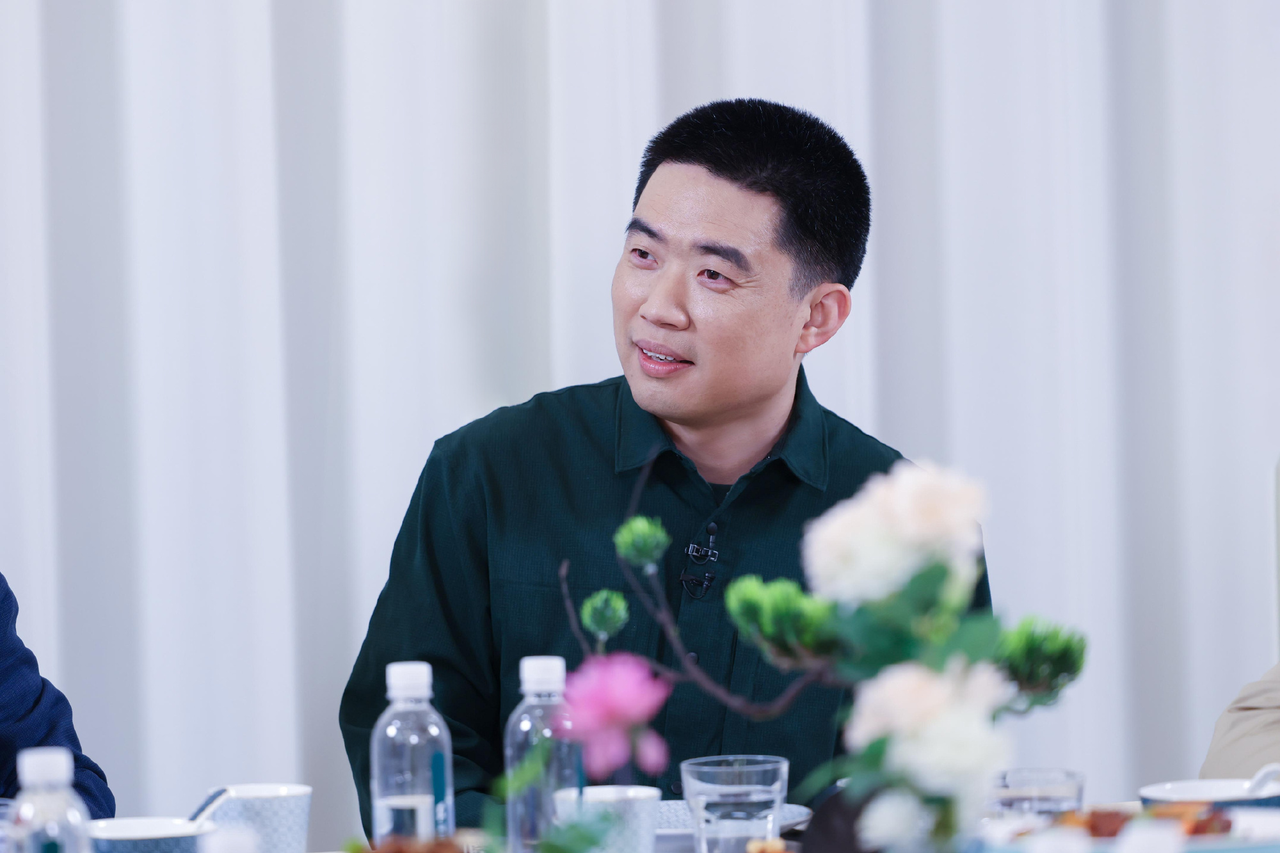
On the first day after the Li Auto i8 launch, in the latest episode of Beyond the Heatwave, Li Auto CEO Li Xiang opened up for the first time about one of the toughest moments in his entrepreneurial journey: In 2008, his company Autohome faced a severe financial crisis, with broken cash flow and no funding in sight. During this time, internal conflicts erupted, and a former close partner and shareholder attempted to force him out.
When asked about it, Li responded: from his perspective, he has made peace with it. He explained that a growth-centered philosophy now drives what he calls his “final venture”: transforming Li Auto into an artificial intelligence company.
From Autohome to Li Auto

The 2008 crisis marked a turning point in Li Xiang’s management philosophy. When co-founders turned against him, he chose empathy over confrontation: “Hurting others is essentially hurting yourself.”
This mindset carried over to Li Auto’s early struggles—like in 2018, when the SEV project was abruptly shut down due to policy risks. The company faced a ¥200 million ($28 million) loss and collapsing morale. Li’s response: transparent communication through dozens of internal meetings where he personally explained the decision; and honoring contracts by fully compensating over 100 suppliers, thereby preserving trust.
This forged deep organizational resilience. No core team members left, and they quickly pivoted to developing the Li ONE. This resilience, built on past failures, laid the foundation for Li Auto’s current billion-yuan ($140 million) revenue scale.
AI Endgame

In the interview, Li Xiang shared his vision of the future of AI and the automotive industry.
He stated that Li Auto’s mission is to connect the physical, visual, and digital worlds—and to become a global leader in artificial intelligence. He emphasized that intelligence is no longer about traditional software, but about evolving vehicles from industrial-era tools into AI-era spatial robots.
“Building cars is just the process—Li Auto’s future is as a robotics company,” Li said during the i8 launch on July 29, 2025. He revealed that over ¥6 billion ($840 million) will be invested in AI this year, with 45% going to infrastructure (including in-house inference chips, the Halo OS, and on-board computing), and 55% to products (such as the VLA multimodal foundation model, the Li Auto Assistant AI agent, and the intelligent cockpit).
He reiterated: over the next 5–10 years, cars will be the most significant real-world application of AI—bar none.
Responding to Criticism

When questioned about “homogeneous design” across Li Auto models, Li Xiang shot back: “Is the iPhone copy-paste? Are Braun razors all the same?”
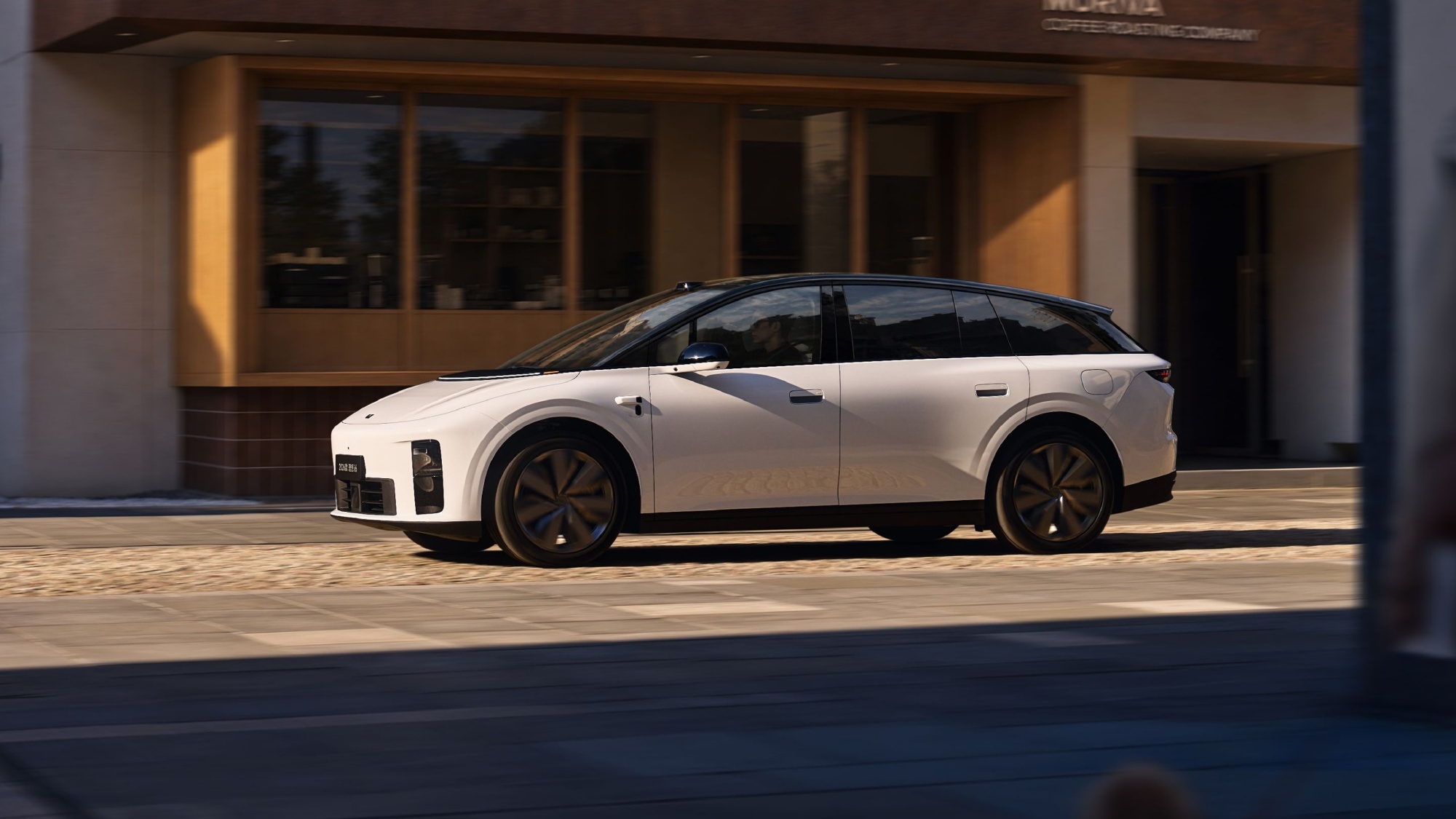
He argued that unified design is a necessary choice for optimized user experience. The newly released i8 follows this principle—sacrificing external variety in exchange for deeper integration of the intelligent cockpit and VLA system.
From the brink of collapse in 2018 with only months of cash left, to today’s AI-driven billion-yuan ($140 million) blueprint, Li Xiang sums up his decade-long entrepreneurial journey in one sentence: “Growth is the only driving force.”
As he moves into the final chapter of his career, can Li Auto truly create not just a car—but a silicon-based family member that understands humanity? Time will tell.
Discover more from ChinaEVHome
Subscribe to get the latest posts sent to your email.