Mercedes-Benz will co-develop a China-focused long-range PHEV with Geely, speeding localization amid sales and tech headwinds.
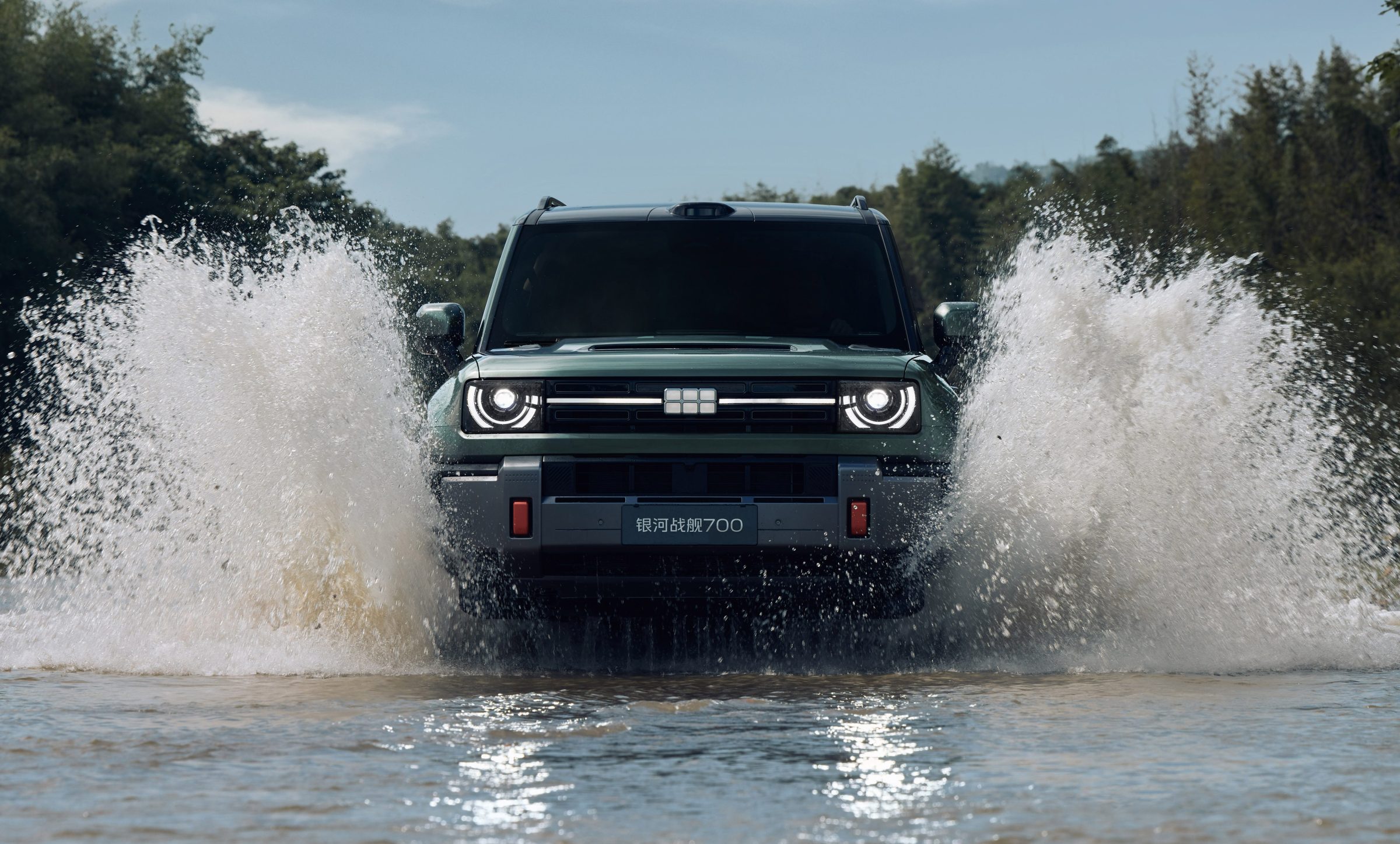
According to an exclusive report by 36Kr, Mercedes-Benz is in advanced talks with Geely to co-develop a new ultra-long-range plug-in hybrid model based on Geely’s “” PHEV platform, which underpins its luxury brand Lotus. Sources indicate that the two companies have reached consensus on key development directions and are now negotiating technical details.
The upcoming vehicle will feature a 900V high-voltage architecture and is expected to deliver a total range of over 1,100 km, with an all-electric range exceeding 300 km — a substantial leap from the current GLC PHEV’s 115 km electric range. The new model will support fast charging both via plug-in and self-charging while driving, helping alleviate performance loss when the battery is depleted.

Mercedes-Benz’s existing PHEV system utilizes a P2 hybrid architecture, where the electric motor is mounted between the engine and transmission. This setup allows both independent and combined propulsion from the engine and motor. However, it suffers from short electric range and weak performance in low-battery scenarios — shortcomings that leave it trailing behind China’s latest plug-in hybrid technologies.
Mercedes-Benz’s 2025 mid-year financial report shows global vehicle sales reached 1.0763 million units in H1, with net profit falling to ¥957 million ($134 million), a 68.7% year-on-year decline. Sales in China continued to drop, reaching 293,100 units in the first half — down over 18%. Notably, BEV sales fell by 24%, while PHEV sales grew by 34%.
This partnership with Geely — which boasts mature plug-in hybrid technologies — will help Mercedes-Benz cut costs, boost efficiency, and shorten product development cycles. It is seen as a strategic response to competitive domestic models like the AITO M8 and Zeekr 9X.

Beyond technical advantages, Mercedes-Benz’s collaboration with Geely is also built on long-standing corporate ties.
Geely is currently Mercedes-Benz’s second-largest shareholder with a 9.69% stake. The two companies previously formed the Smart joint venture between 2019 and 2020 and collaborated on hybrid engine development in 2021 and 2025. Mercedes-Benz has also partnered with Geely subsidiaries ECARX and Dream Smart, integrating Flyme Auto into its upcoming models in China and expanding cooperation on smart cockpit and in-car application systems.

This partnership not only reflects Mercedes-Benz’s accelerated localization strategy but also highlights how Chinese hybrid technologies are becoming pivotal in international automakers’ competition for the Chinese market.
Discover more from ChinaEVHome
Subscribe to get the latest posts sent to your email.