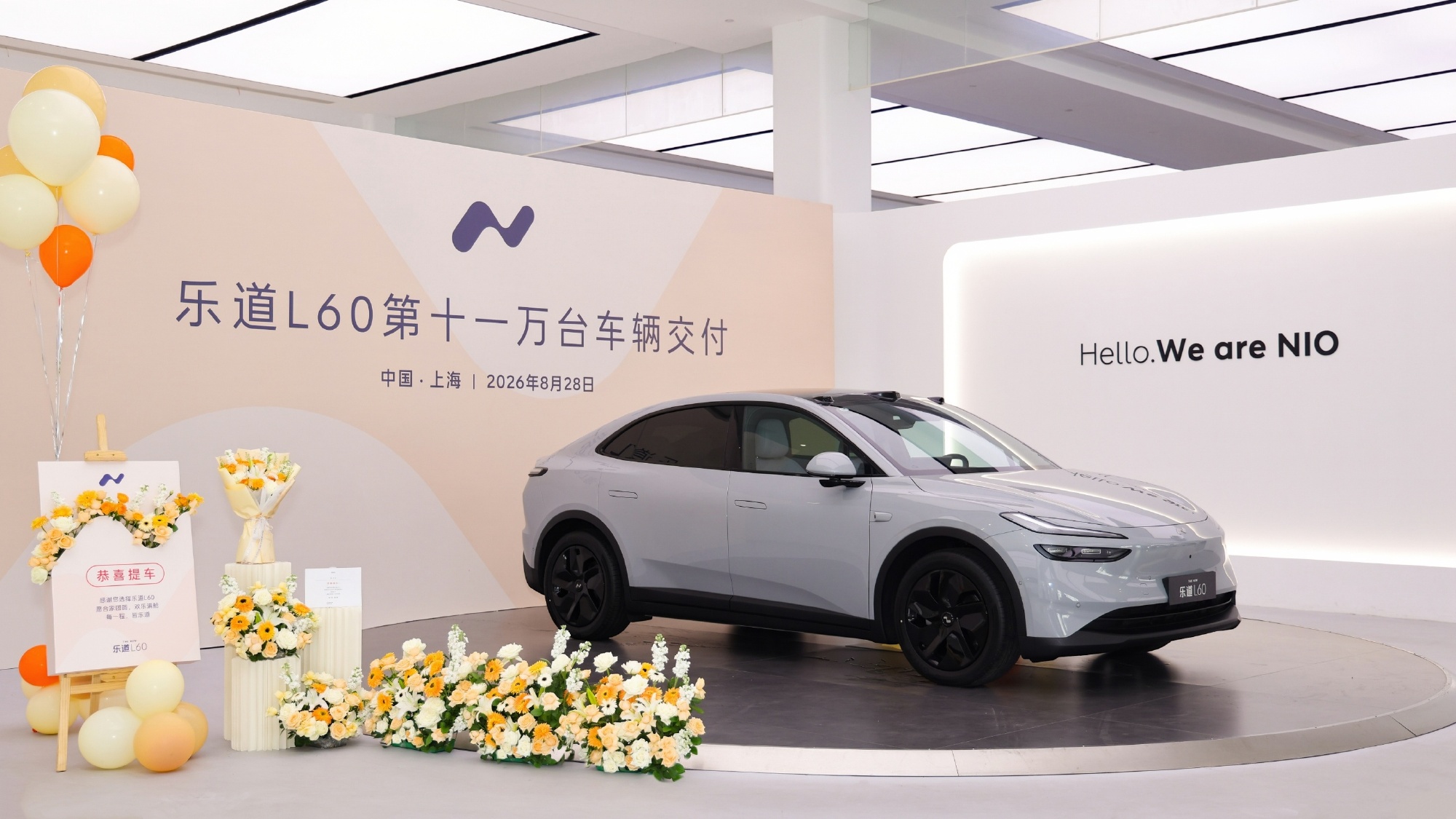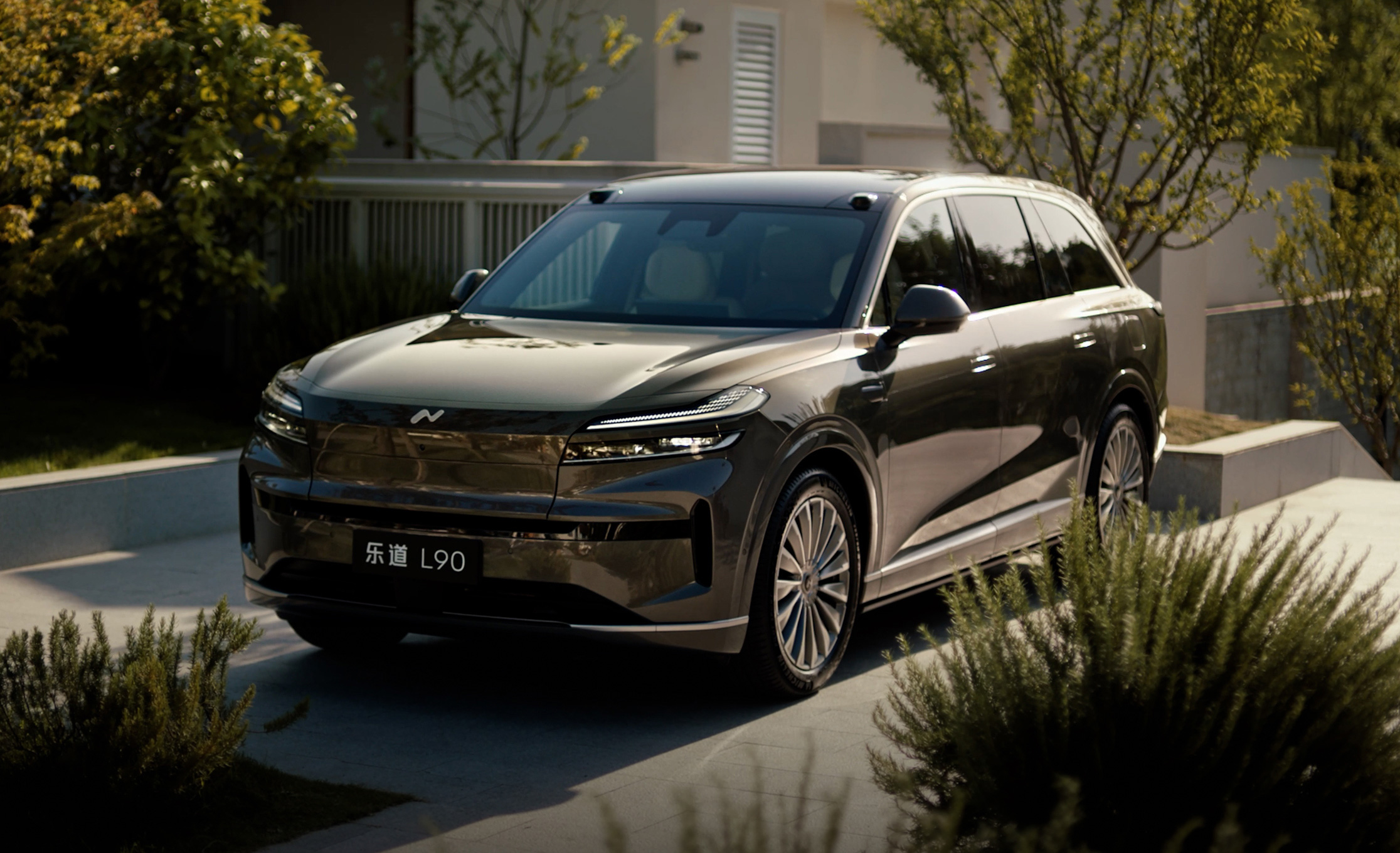
ONVO’s in-car Coconut system gets a major version upgrade, though the highly anticipated end-to-end assisted driving feature is still absent.
In recent days, ONVO’s Coconut in-car system began large-scale rollout, with the version number jumping directly from 1.2 to 2.0, marking a significant update.
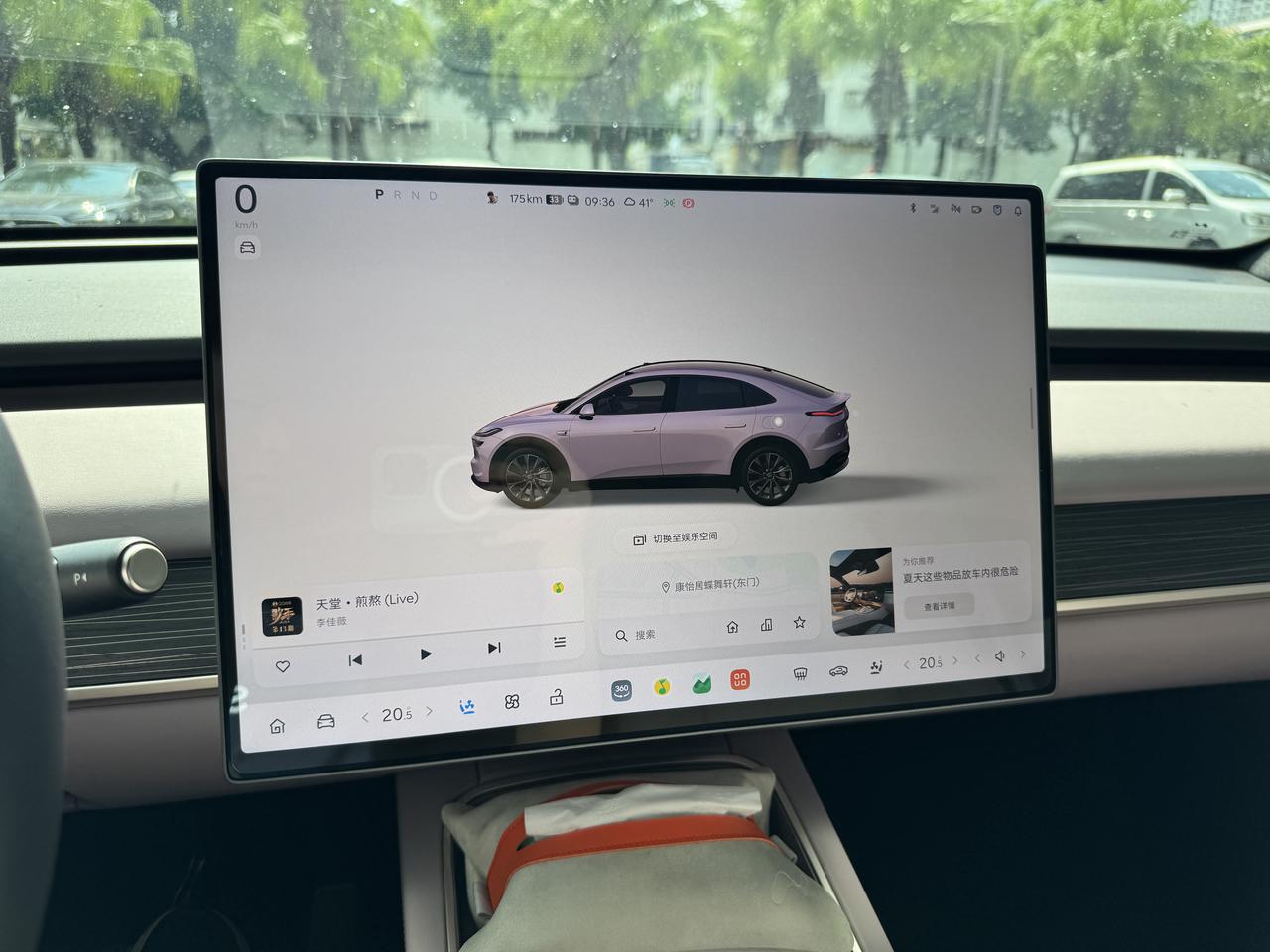
The most noticeable change is the brand-new static home screen layout, which has shifted from “3D vehicle model + map” to “3D vehicle model + bottom cards.” The vehicle model is now larger, with refined details in license plates, lighting, and weather effects, enabling real-time environmental simulation with impressive smoothness.
The bottom card section integrates music, maps, and system recommendations, while also pushing driving tips based on user habits, time, and trending topics. A newly added “one-click entertainment space switch” consolidates content from major video platforms into a single interface, creating an entertainment experience closer to a home theater.

In terms of UI design, buttons have been enlarged for better accessibility, and the drop-down menu now features a transparent background with Gaussian blur, offering a lighter visual feel while maintaining the original operating logic.

The “Xiaole” voice assistant has become noticeably more proactive, automatically executing actions based on scenarios—for example, switching to real-time range display during long-distance driving to facilitate charging planning. It also supports full-cabin memory, restoring seat positions and entertainment accounts via facial recognition, and can take commands via nicknames, such as “move grandma’s rear seat back a little.”

Driving modes remain Gentle, Comfort, and Steady, but the tactile differences between them are now more distinct.
Features that previously drew user feedback, such as the welcome light and automatic rain-sensing wipers, have been improved. A switch for the welcome light has been added, wiper response is now more sensitive in moderate-to-heavy rain, and when parked, wiper speed automatically slows to reduce noise. The Guard Mode has been expanded to detect eight types of scenarios, including pedestrian approach, door opening, and intrusion events, enabling owners to more quickly identify surrounding issues.
For the ONVO L60’s large-capacity onboard refrigerator, the new version adds remote control via the mobile app, allowing users to switch the fridge on at any time for greater convenience.

However, the much-anticipated end-to-end assisted driving update is still not included this time, with the company stating it will be scheduled for a later version.
Discover more from ChinaEVHome
Subscribe to get the latest posts sent to your email.