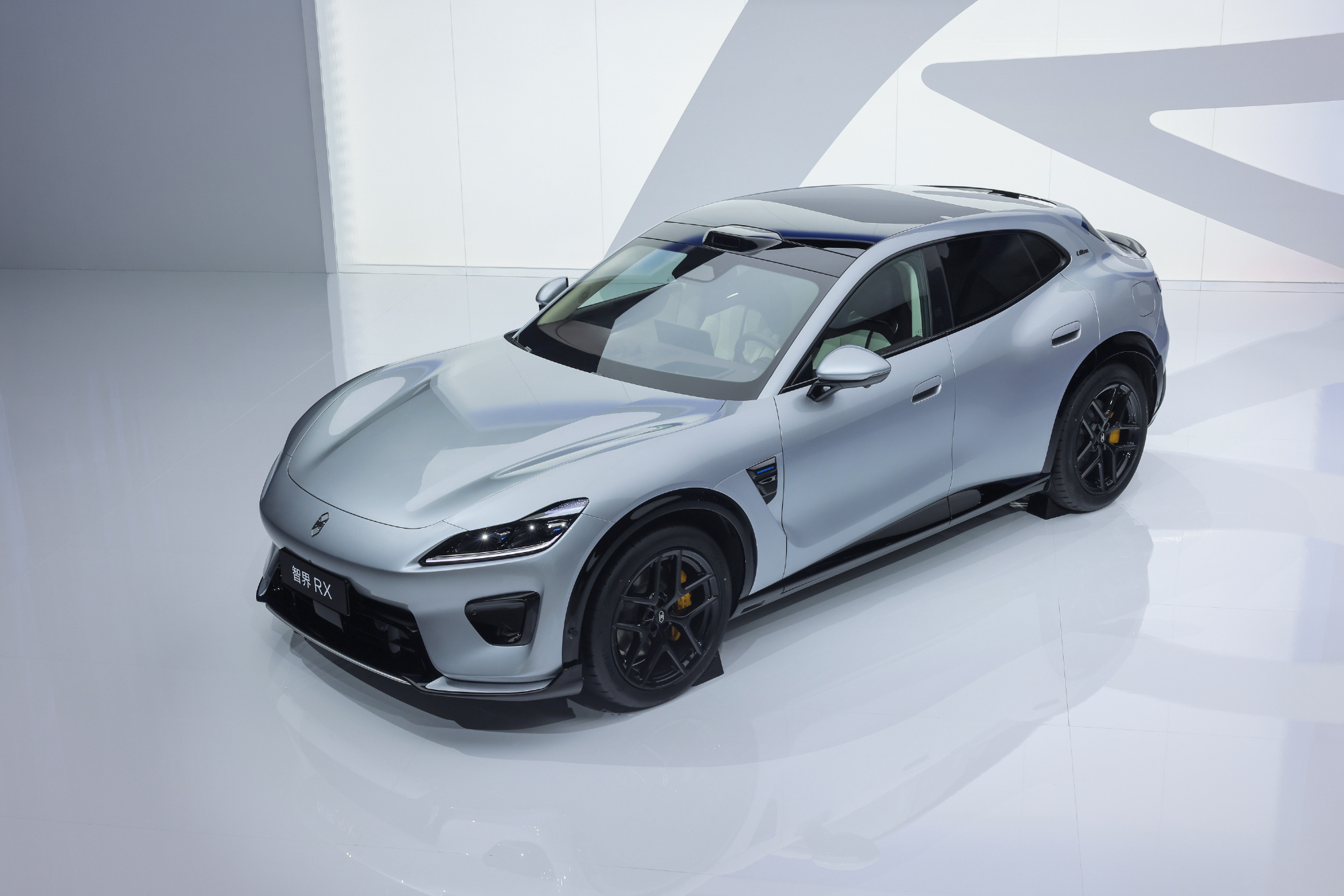
In 2026, Shangjie is set to introduce two new models—a sedan and an SUV—with the SUV scheduled to debut in the first half of the year.
According to a Chinese media outlet, SAIC and Huawei have set a monthly sales target of 20,000 units for the Shangjie H5, releasing an annual production plan of 400,000 units to suppliers. In addition, the brand plans to launch two new models next year—a sedan and an SUV, with the latter expected to debut in the first half of 2026.
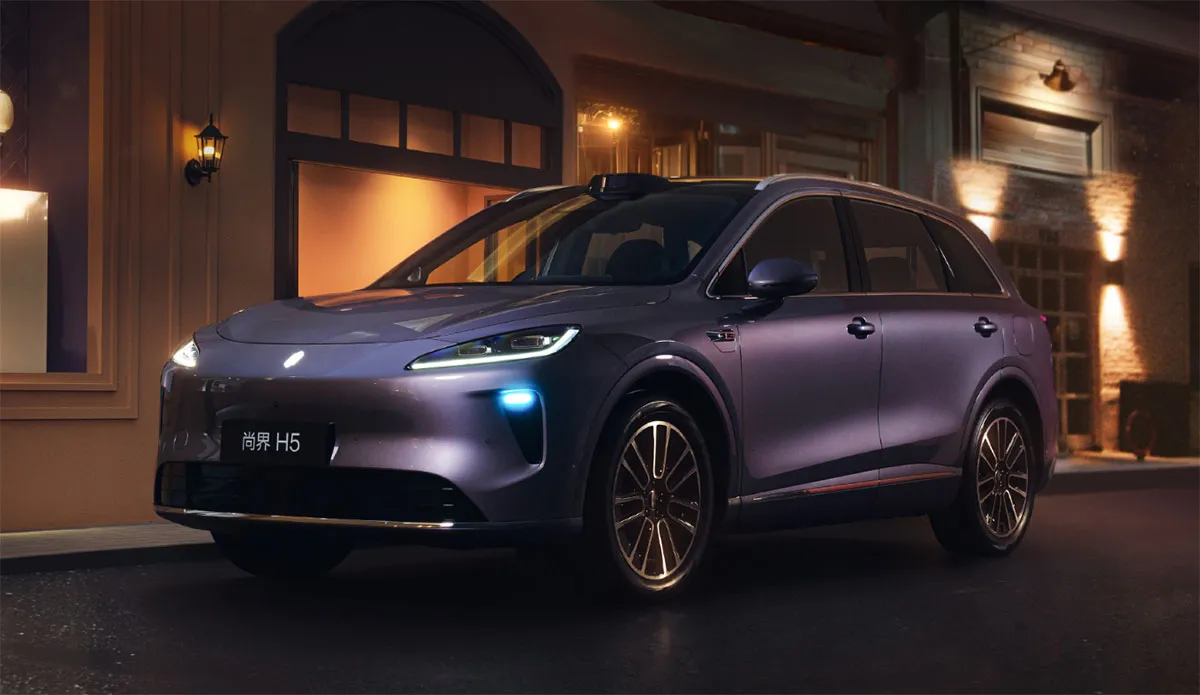
Yesterday, pre-sales for the H5, Shangjie’s first model, officially opened, starting at RMB 169,800 ($23,650). Within the first hour, pre-orders exceeded 25,000 units.

The H5 is positioned as a mid-to-large electric SUV, offering both pure-electric and extended-range powertrains. The extended-range version provides a total range of over 1,300 km, while the pure-electric variant achieves a maximum range of 230 km.
All models come standard with the Harmony OS cockpit and Huawei’s ADS 4 system. Official market launch is scheduled for September 23, with deliveries planned during China’s National Day holiday.
On the production and distribution side, SAIC and Huawei have made extensive preparations. SAIC has built a dedicated factory for the H5 in Lingang and allocated part of the production line at its Jinqiao facility for support.
Shangjie has also established a dual sales network, incorporating both Harmony Intelligent Mobility User Centers and dedicated brand centers. Dealer recruitment is progressing rapidly; by mid-August, over 1,500 stores had applied to join, including 4S outlets of luxury brands such as Porsche, Volvo, and Lotus.

The capital market has responded positively. On August 20, following Huawei Executive Director Yu Chengdong’s pre-sale announcement on social media, SAIC’s stock jumped 10% on the day, pushing its market capitalization to RMB 229.2 billion ($31.9 billion).
Since signing the partnership in February, SAIC and Huawei have positioned the Shangjie brand to enter the RMB 200,000 ($27,900) price segment using a smart-selection vehicle model, complementing their high-end offerings such as the AITO, Stelato, and MAEXTRO lines.
SAIC invested around RMB 6 billion ($836 million) in the project’s first phase, assembling a team of over 5,000 people led by Zhu Yong, Deputy General Manager of SAIC Passenger Vehicle Company. Huawei assigned personnel who previously worked on the AITO project to Shangjie to leverage prior experience.

However, the H5 faces a different market than high-end models like the AITO M8 or MAEXTRO S800. The sub-RMB 200,000 segment is highly price-sensitive, where value often outweighs brand recognition or smart features—a fact proven by the success of Leapmotor and Xiaomi in this price range.
Early pre-order data suggests a strong start for the H5. Its performance will directly impact Huawei’s positioning in the mass-market EV segment, and achieving the 20,000 monthly sales target will serve as the first real test of whether Huawei and SAIC can replicate their high-end market success in the more price-conscious RMB 200,000 segment.
Discover more from ChinaEVHome
Subscribe to get the latest posts sent to your email.