NIO standardizes 100 kWh batteries across all models and plans to complete the West Sichuan Loop and Yunnan–Tibet battery swap routes by year-end.
On August 29, the 28th Chengdu International Auto Show officially convened.
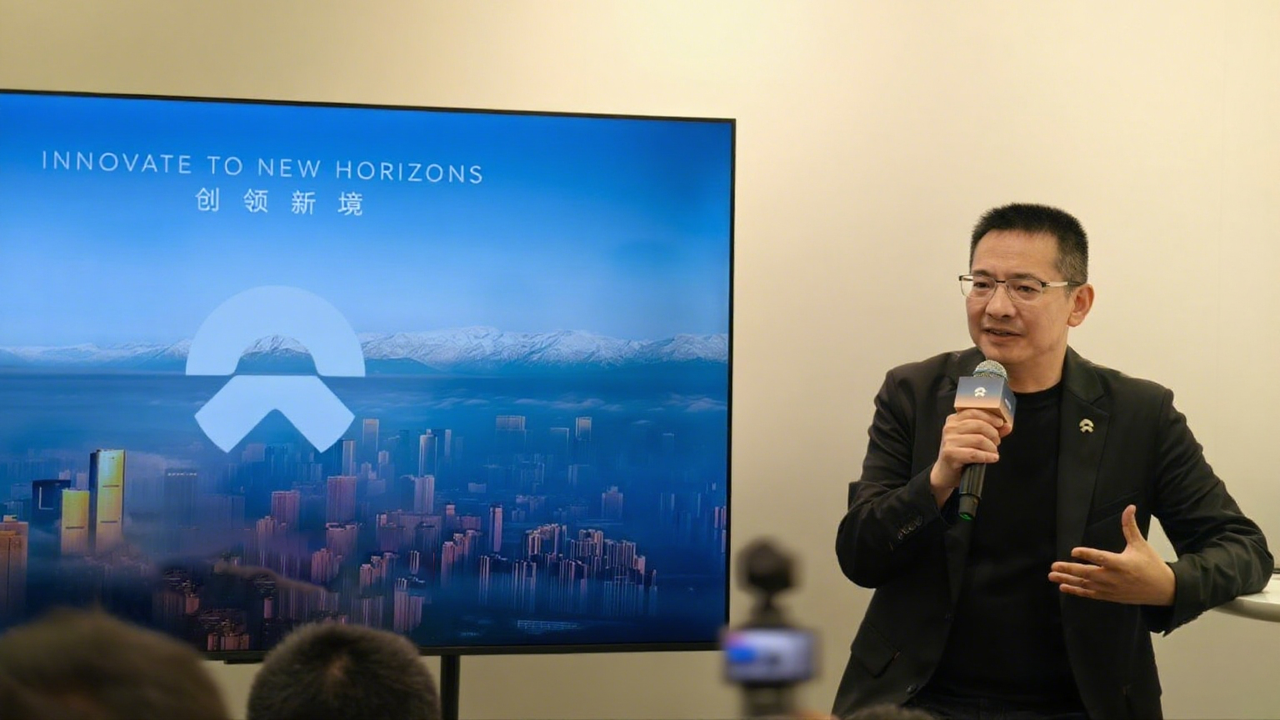
At NIO’s booth, President Qin Lihong announced two significant developments:
- By the end of this year, NIO will complete the battery swap routes connecting the Western Sichuan Ring and the Yunnan-Tibet regions.
- All NIO models will now come standard with a 100 kWh long-range battery pack, with vehicle prices remaining unchanged. Additionally, the 75 kWh Battery-as-a-Service (BaaS) rental option will continue to be available.
Following the announcement, Qin Lihong participated in a media roundtable, addressing several key questions:
Q1: Why has NIO standardized the 100 kWh battery across all models, effectively reducing prices by approximately RMB 38,000 ($5,300)?
Qin Lihong explained that this move aims to make previous “implicit discounts” and promotions more transparent, simplifying the purchasing process. With the launch of the new ES8, it was also necessary to realign the brand’s pricing strategy. This change signifies that the 100 kWh battery is now considered NIO’s “standard specification,” while the 75 kWh option remains a flexible choice for users.
Q2: With the restructuring of the battery pricing system, does this mean the NT3 5566 series (ET5, ET5T, EC6, ES6) is coming soon?
Qin Lihong: At least through 2026, there are no plans for a third-generation 5566 series from NIO.
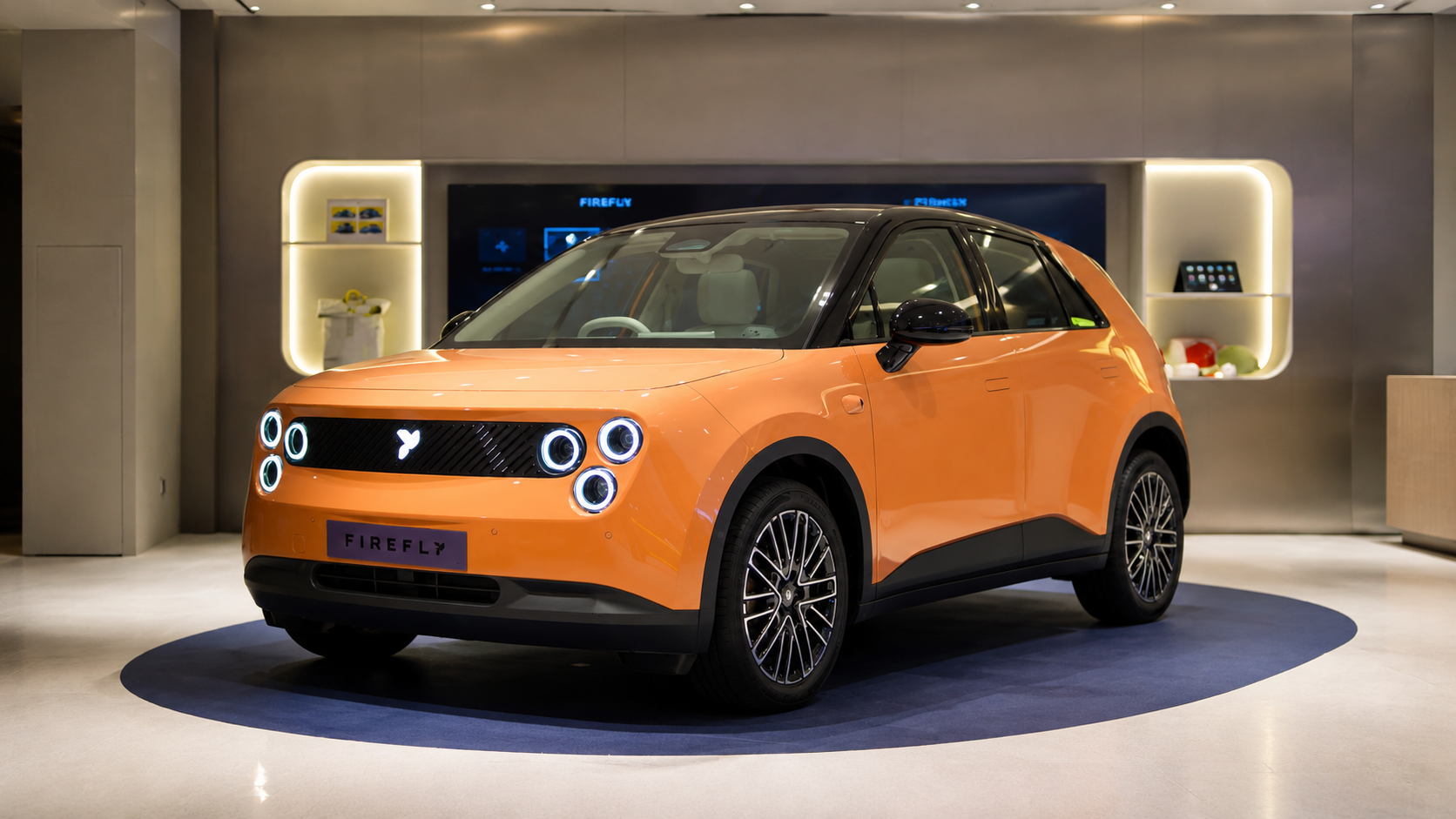
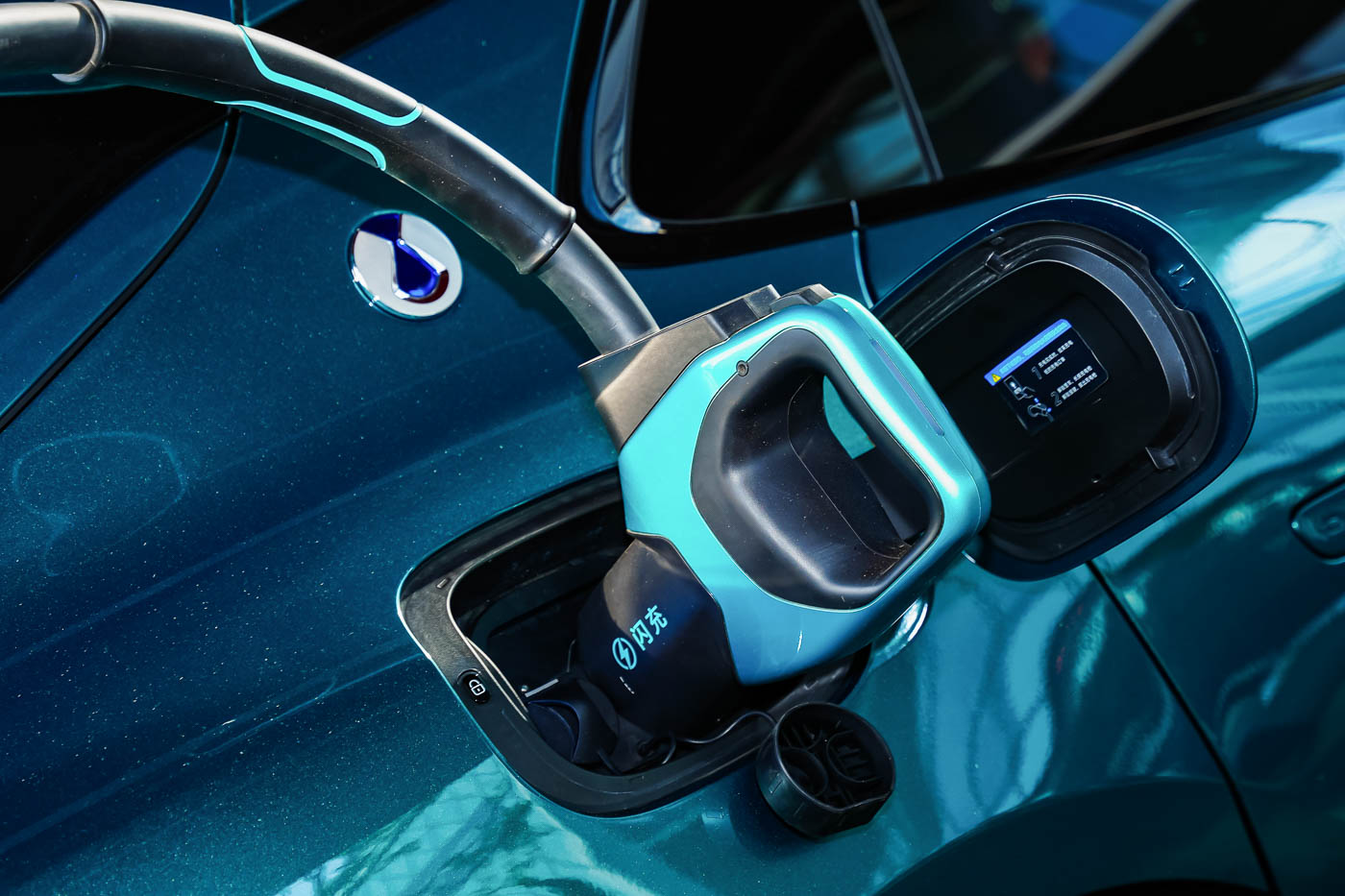
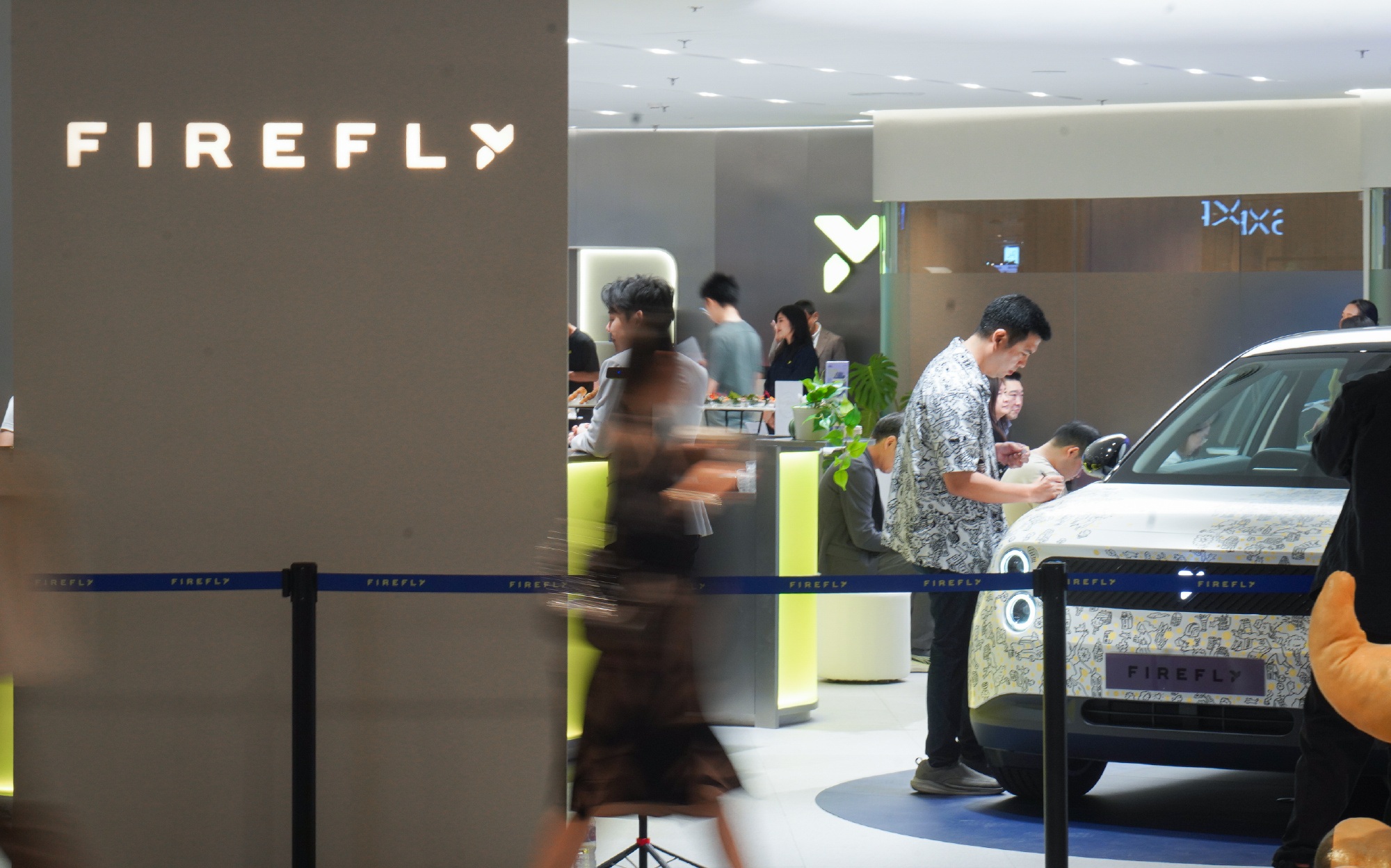
Q3: What is the progress on the fifth-generation battery swap stations? Will the Firefly brand vehicles be compatible with CATL’s “Chocolate Station”?
Qin Lihong reported that the development of the fifth-generation stations is proceeding smoothly, with large-scale deployment expected in early next year. These stations will support battery swapping for NIO, ONVO, and Firefly vehicles. Should more companies join the alliance, the stations will be compatible with their vehicles as well. Regarding collaboration with CATL, discussions are ongoing, and Firefly vehicles may integrate into the “Chocolate Station” network in the future.
Q4: What percentage of new orders are from MPV users?
Qin Lihong shared that approximately 70% of new orders are from users of fuel vehicles, extended-range vehicles, and MPVs, indicating a significant crossover effect. He believes that the ONVO L90 and the new ES8 will “break the impasse and solidify the foundation,” reshaping the market landscape for large three-row SUVs.
Q5: Why is 2025 considered a “turning point for all-electric large three-row SUVs”?
Qin Lihong cited two main factors:
- Users’ concerns about range anxiety are rapidly decreasing, with over 5 million public charging piles and more than 3,400 battery swap stations nationwide.
- Advancements in high-voltage platforms, lightweight technology, and spacious designs have significantly enhanced the all-electric driving experience. The reduction of “negative factors” and the accumulation of “positive factors” signal a clear turning point, with all-electric vehicle growth now surpassing that of extended-range vehicles.
Q6: Why is the new ES8 compared to the “Huaihai Campaign”?
Qin Lihong explained that this analogy was used internally to emphasize the importance of capitalizing on opportunities at critical moments. Just as the Huaihai Campaign evolved from a small-scale operation to a decisive battle, the introduction of the ES8 and L90 could mark a turning point in the industry’s landscape. The core philosophy is to “align with the trend and befriend time,” adhering to a long-term perspective.
Q7: What has NIO done right recently?
Qin Lihong identified three key areas:
- Product: The ONVO L90 and the new ES8 showcase the fruits of NIO’s decade-long research and development efforts and battery swap system.
- Transformation: Internal improvements in efficiency and cost reduction have led to better value propositions.
- Long-term Vision: The introduction of new products, the Everest battery swap route, and the fourth-quarter profitability target demonstrate NIO’s commitment and confidence.
Q8: What is the pricing strategy for the new ES8?
Qin Lihong revealed that three years ago, when planning the ES8, NIO aimed to position it in the RMB 400,000 ($55,800) range for all-electric large three-row SUVs. Due to cost factors, the second-generation ES8’s price exceeded RMB 500,000 ($69,800), moving away from the intended market segment. The new ES8 is not merely a price reduction but a “return” to its original mission and the appropriate price range.
Q9: How does NIO view comparisons between the AITO M8 and the ES8?
Qin Lihong stated that NIO does not actively engage in such comparisons but focuses on attracting users of fuel and extended-range vehicles. He acknowledged that it’s normal for consumers to compare several flagship models and expressed respect for all excellent products in the market.
Discover more from ChinaEVHome
Subscribe to get the latest posts sent to your email.