In August, China’s demand for imported vehicles continued to contract, while its automotive exports remained on an upward trajectory.
On September 29, the China Association of Automobile Manufacturers (CAAM), citing data from the General Administration of Customs, reported that China’s total automotive goods trade reached $25.81 billion in August 2025, up 3.3% from July but down 0.3% year-on-year (YoY).
While overall volume remained stable, the structural divergence between imports and exports widened further—imports weakened while exports continued to expand.

Automotive imports in August amounted to $4.17 billion, dropping 7.4% month-on-month and plunging 38.4% YoY. By contrast, exports totaled $21.64 billion, rising 5.6% from July and 13.2% compared with the same period last year.
The trend is consistent with the trajectory observed in the first half of the year: demand for imported vehicles in the domestic market continues to contract, while outbound shipments maintain momentum.
From January to August 2025, total imports and exports of automotive goods came to $182.01 billion, down 1.2% YoY. Within that, imports totaled $30.5 billion, a sharp 33.1% decline, while exports reached $151.52 billion, increasing 9.2%.
The split in the passenger-vehicle segment was even more pronounced. In August, imports of complete vehicles stood at 45,000 units, down 9.1% from July and 40.6% YoY. The corresponding import value was $2.11 billion, representing a 50.5% YoY drop.
Between January and August 2025, complete-vehicle imports totaled 319,000 units, down 33.2% YoY, with a value of $16.21 billion, a contraction of 40.5%. Factors such as domestic substitution in the high-end segment, localization of luxury brands, and evolving tariff conditions are reshaping the import vehicle mix.
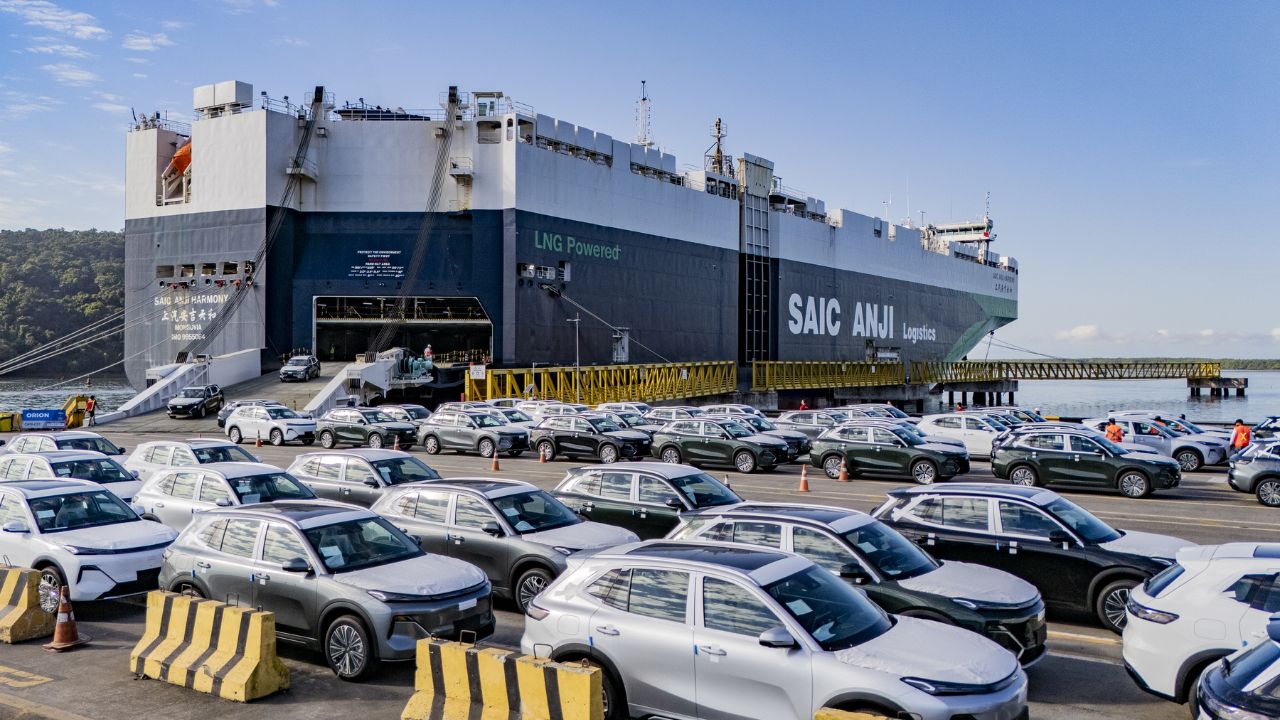
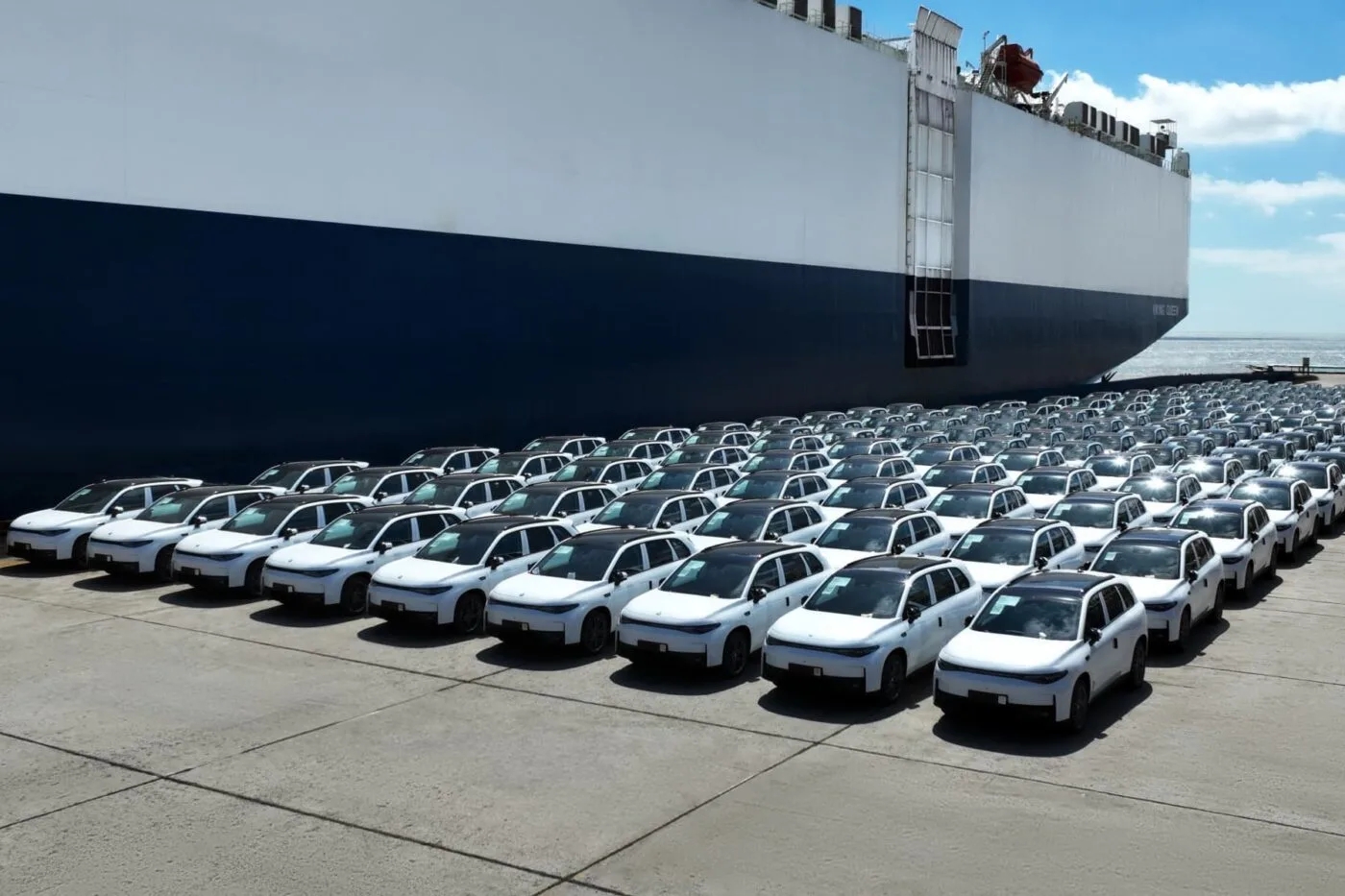
Exports, meanwhile, continued to post strong gains. In August, outbound shipments of complete vehicles reached 763,000 units, up 10% month-on-month and 25.1% YoY. Export value hit $12.82 billion, up 8.3% from July and 17.3% YoY.
From January to August, complete-vehicle exports totaled 4.928 million units, an increase of 20.4% YoY, with an export value of $84.31 billion, up 10.8%. Both the scale and growth rate remain robust.

The export boom has coincided with rising domestic market share for Chinese brands. According to CAAM data, Chinese-branded passenger car sales reached 1.766 million units in August, up 10.1% from the previous month and 21% YoY, accounting for 69.5% of the market—2.6 percentage points higher than a year earlier.
From January to August, Chinese brands sold 12.642 million units, growing 23.8% YoY, lifting their market share to 68.8%, up 5.6 percentage points from the same period in 2024.
The shift in trade structure underscores the sector’s transition from import reliance to export-led growth. Expansion of overseas sales is closely linked to surging new energy vehicle exports, foreign production layouts, and upgrades in indigenous brand portfolios. The decline in imports reflects changes in consumer preference and the maturing of domestic supply chains.
Over the coming months, the trajectory of China’s auto trade will hinge on the global trade environment, overseas market capacity, and intensifying competition in the domestic new energy sector.
Discover more from ChinaEVHome
Subscribe to get the latest posts sent to your email.