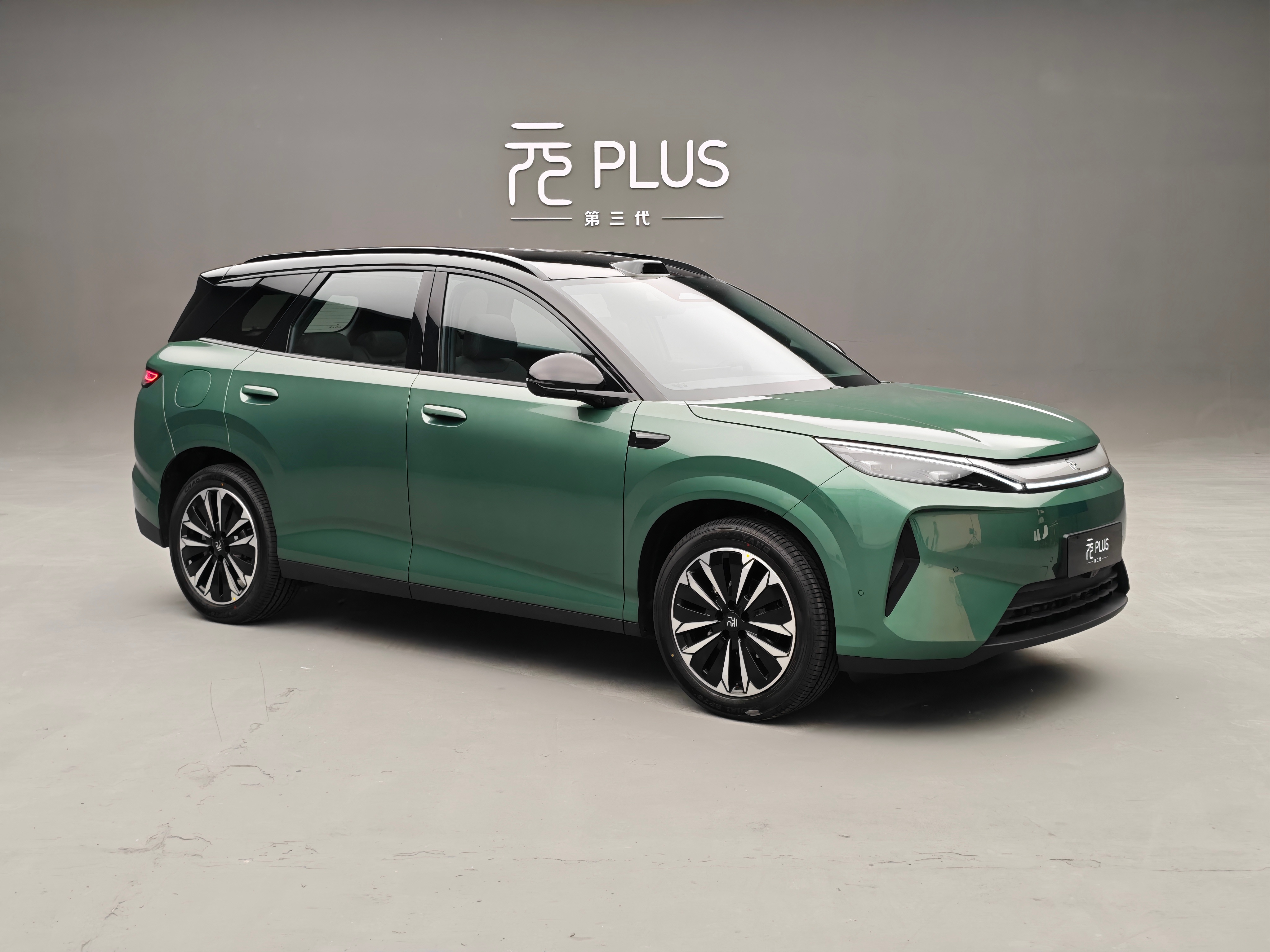
While price cuts and discounts have helped BYD expand in China, the same approach may backfire in Japan.
BYD is recalibrating its strategy in Japan two years after entering the market, shifting to aggressive price cuts in an effort to revive sluggish sales, Bloomberg reported on September 29.
Despite having opened 45 dealerships, launched its fourth vehicle, and planning to introduce a pure electric K-car—a popular microcar category in Japan—by the end of 2026, BYD’s cumulative sales reached only 5,300 units as of June this year. Market traction has fallen short of expectations.

To regain momentum, the company has launched a price offensive. Bloomberg sources said some BYD models are now being offered with discounts of up to 1 million yen ($6,700), and when combined with government subsidies, final transaction prices can fall to as low as 50 percent of the original sticker price.
With the Atto 3 as an example, the official price is just under 4.2 million yen ($28,000), but after discounts it is priced close to certain entry-level hybrid models.

Such tactics, however, are uncommon in Japan. Local automakers rarely cut prices to chase volume. Tatsuo Yoshida, a senior automotive analyst at Bloomberg Intelligence, warned that deep discounts could leave early adopters feeling shortchanged, erode residual values and undermine long-term brand trust.
Pricing is not BYD’s only obstacle. Japanese buyers remain heavily loyal to legacy players such as Toyota and Honda, and hybrids continue to dominate over battery-electric vehicles. General Motors previously withdrew its Saturn brand from Japan due to weak performance, and Hyundai only re-entered the market 14 years after its exit.
For now, BYD’s monthly sales in Japan remain modest. Nissan’s Sakura, the country’s current best-selling electric vehicle, sold 1,137 units in June, compared with just 512 units for BYD over the same period, a level insufficient to offset channel and operating costs.

Meanwhile, Japanese automakers are ramping up their own EV offerings. Toyota and Suzuki plan to launch a jointly developed electric kei car this year, while Honda unveiled its first compact EV this month. For BYD, the challenge is compounded by entrenched consumer preferences and accelerating competition from domestic players.
BloombergNEF projects that pure electric vehicles will account for only 3.4% of Japan’s new car market in 2025, suggesting growth potential remains limited in the near term. BYD is also pursuing diversification through exports; overseas sales are expected to account for more than 20% of its total deliveries this year, with rapid gains already visible in Europe.

However, in the Japanese market, brand recognition may outweigh pricing strategy. “The key to selling cars is building brand loyalty and cultivating lifelong customers,” Yoshida said. Whether BYD can loosen domestic allegiances remains uncertain.
Discover more from ChinaEVHome
Subscribe to get the latest posts sent to your email.