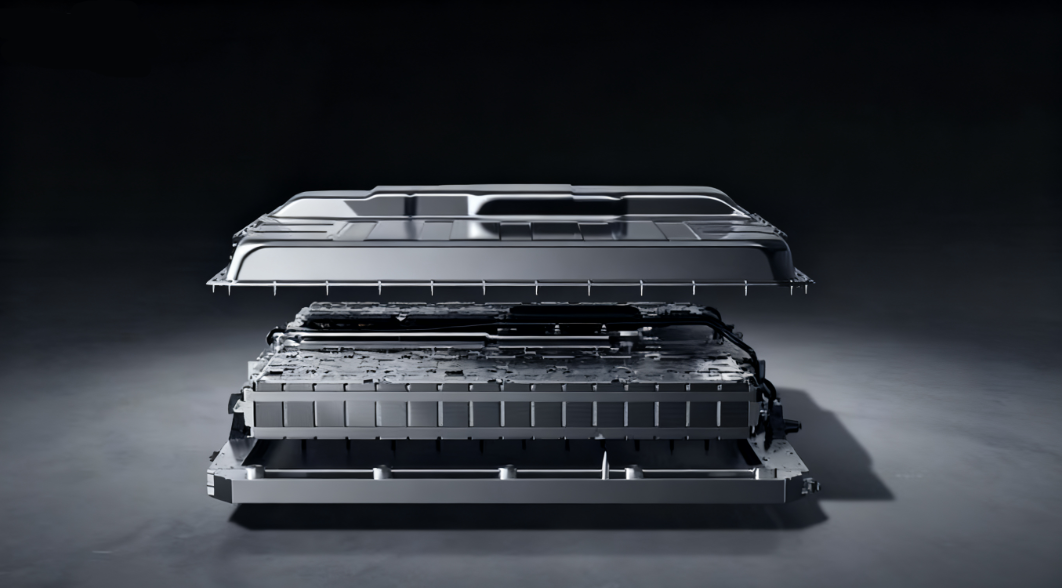
The so-called semi-solid-state battery introduces partial solid electrolytes into traditional liquid electrolyte systems—a transitional solution toward all solid-state batteries.
On October 27, Chinese media reported, citing sources familiar with the matter, that Chinese regulators are preparing to issue a new directive standardizing the term “semi-solid-state battery” under the unified name “solid-liquid battery” to prevent confusion with all solid-state batteries.
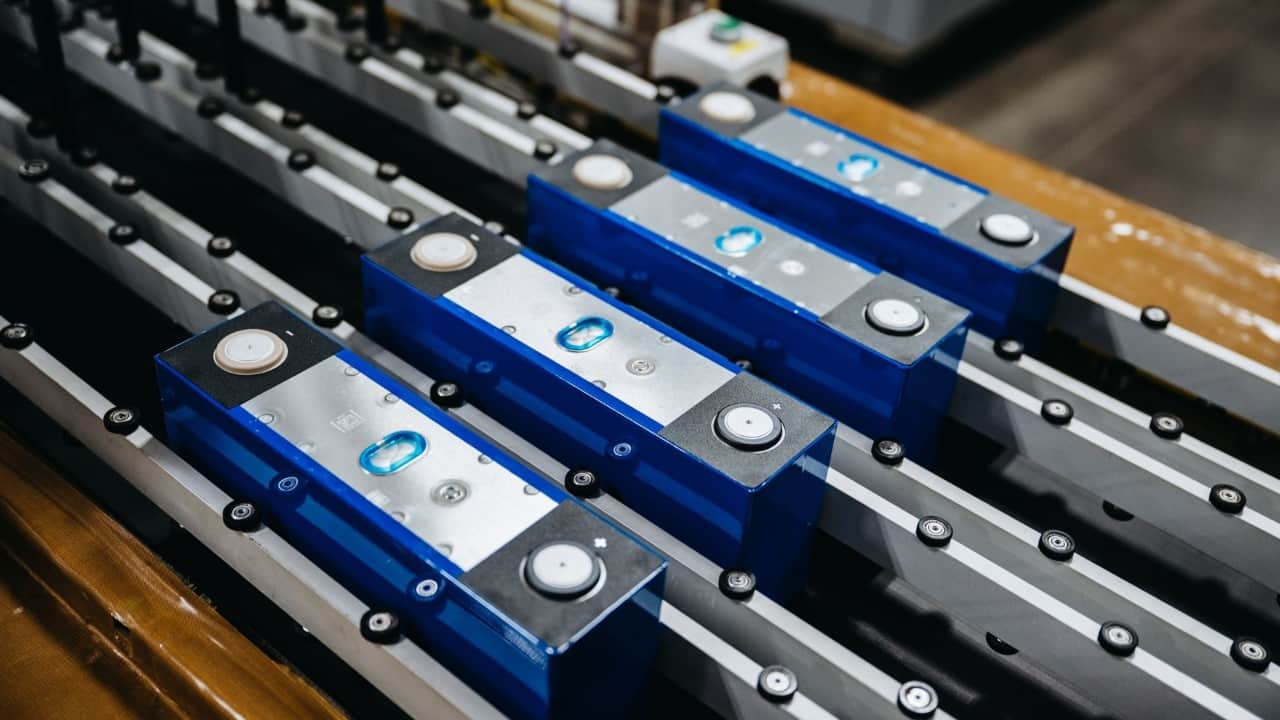
The semi-solid-state battery refers to a hybrid design that incorporates solid electrolytes into a conventional liquid-based system—effectively serving as an intermediate step on the path toward full solid-state technology.
Compared with the lithium-ion batteries currently used in most electric vehicles, solid-state batteries offer higher safety, energy density, durability, and faster charging speeds.

However, solid-liquid batteries still face challenges related to cost and low-temperature performance. A typical 80 kWh solid-liquid battery pack costs between RMB 160,000 and RMB 240,000 ($22,400–$33,600), about two to three times the price of an equivalent lithium iron phosphate pack. Their low-temperature performance is also limited, with only 37% of products passing the -20°C cycle test.
The current label “semi-solid-state” is inherently ambiguous, as products containing anywhere from 1% to 99% liquid electrolyte can be marketed under the same term, creating confusion among consumers and investors.
Some companies even promote products containing 5%–10% liquid electrolytes as “solid-state batteries,” leveraging consumer trust in emerging technologies for marketing gains. The phenomenon echoes earlier misuse of the term “autonomous driving” in the smart car industry, where vague definitions were used to command higher valuations.
For the industry, the proposed renaming serves as a form of “de-bubbling” and correction. A clear naming standard would help direct capital and R&D resources toward realistic technological pathways — focusing on optimizing solid-liquid hybrid systems for performance and cost — while leaving a distinct space for future development of true solid-state batteries.
Meanwhile, research progress on solid-state technology has been accelerating. Last week, Chinese scientists announced a breakthrough in all solid-state lithium-metal batteries, extending potential driving range from 500 km to over 1,000 km.

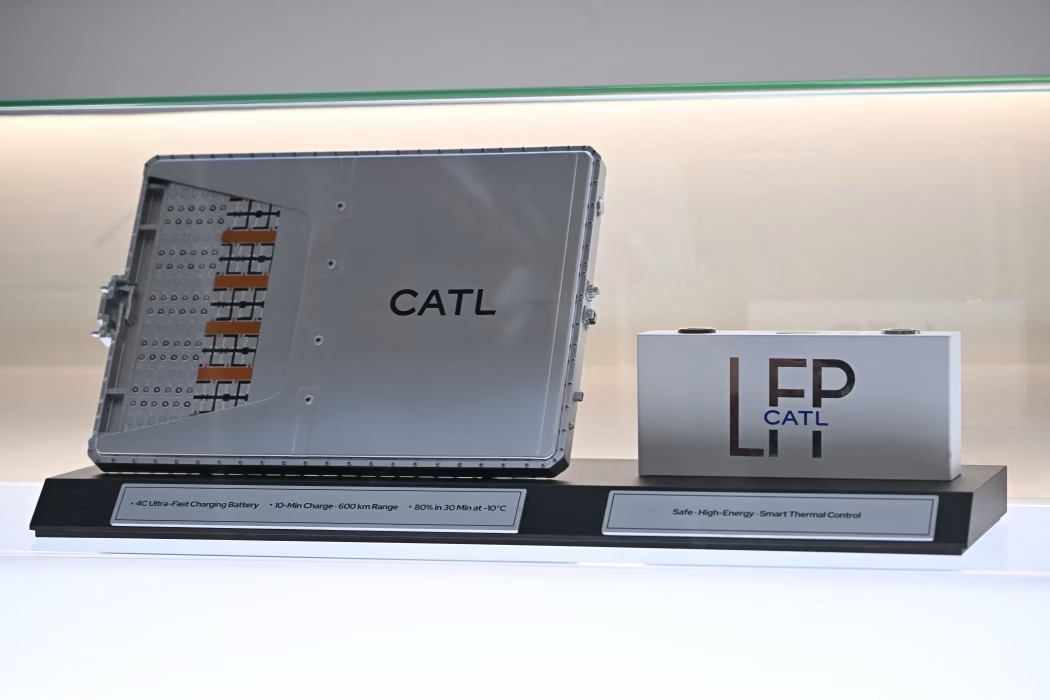
Major battery makers including CATL, Gotion High-Tech, Sunwoda, and CALB are ramping up their investment in solid-state R&D, while automakers such as Chery, Changan, and Dongfeng are actively deploying related projects.
A senior executive at CATL noted during the company’s mid-year financial briefing that the hype surrounding solid-state batteries currently exceeds the industry’s actual maturity level. Limited-scale mass production may begin around 2027, with a mature supply chain expected in three to five years and widespread commercialization likely around 2030.