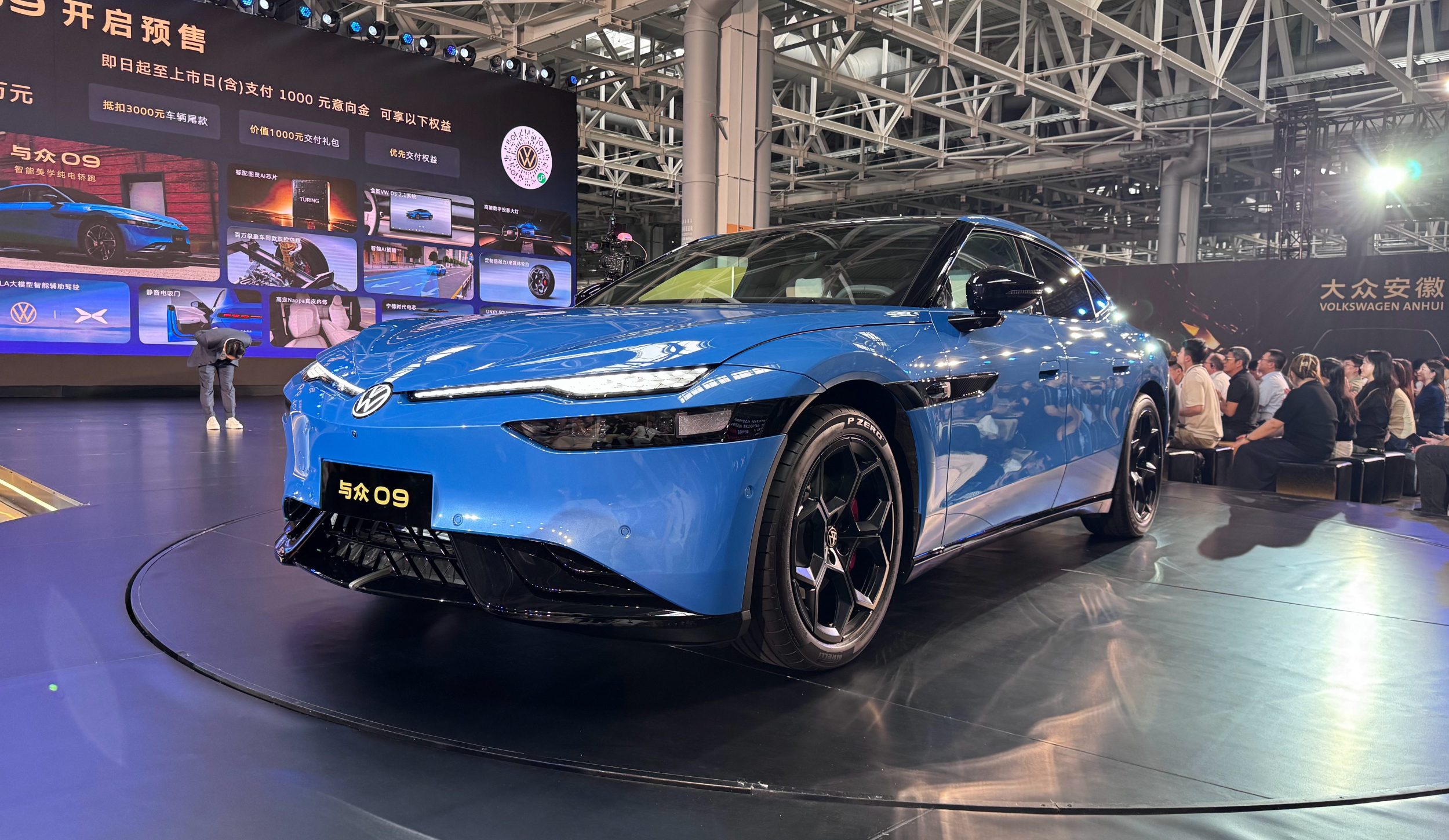
In the first three quarters, VW’s deliveries in China fell 4% and in North America 8%, driven by intensifying competition from domestic brands and higher U.S. tariffs.
Volkswagen Group reported a sharp earnings decline in the first three quarters of 2025, despite steady sales and EV growth.
In Q1–Q3 2025, Volkswagen’s operating profit plunged 58% to €5.4 billion ($5.7 billion), while its operating margin fell from 5.4% to 2.3%. Net profit dropped 61% to €3.4 billion ($3.6 billion).

The steep fall was primarily driven by the asset impairments at Porsche, surging North American tariffs, and continued heavy spending on battery and software development.
Volkswagen delivered 6.604 million vehicles globally during the period, up 1.2% year-on-year. Europe and South America were key growth markets, with deliveries rising 4% and 15% respectively, supported by strong demand recovery in Germany and Spain.
By contrast, deliveries in China and North America declined 4% and 8% respectively — the former hit by intensifying competition from Chinese automakers, and the latter pressured by higher import tariffs in the United States.
Electrification remained the group’s main bright spot. Battery-electric vehicle (BEV) deliveries rose 41.7% to 718,000 units, accounting for 10.9% of total sales, while plug-in hybrids (PHEVs) jumped 54.9% to 299,000 units.

Europe led the EV expansion, with BEV sales up 80%, fueled by models such as the Audi Q6 e-tron and Škoda Enyaq, solidifying Volkswagen’s role as a key driver of Western Europe’s transition to new energy vehicles.
However, the company’s EV business in China lagged behind, with BEV deliveries plunging 42.5% to just 85,000 units. Its joint ventures continued to trail in smart and electrified product penetration, with annual operating profit expected to reach only about €1 billion ($1.1 billion).
Volkswagen’s global production volume held steady at 6.644 million vehicles, up 0.2% year-on-year, with domestic German production up 8.1%.
The company also continued implementing efficiency measures, cutting about 7,000 positions in Germany, bringing the global headcount to 263,000 as its EV transition enters an organizational restructuring phase.

Financially, the group faced three major pressures: Porsche’s €4.7 billion write-down turned its luxury division from profit to loss; U.S. tariffs added €2.1 billion in expenses, eroding North American margins; and continued heavy investments in electrification and digitalization further squeezed short-term profits.
Among business segments, passenger vehicles reported an operating profit of just €2.2 billion, down 74% year-on-year, with margins falling to 1.2%.
Porsche’s profit margin dropped from 14.6% to -1%, while Audi’s fell 13%. Škoda remained relatively resilient, maintaining an 8% margin thanks to strong growth in Eastern Europe and the Middle East.

The commercial vehicle unit under TRATON saw sales decline 8.5% amid weak demand in Latin and North America, cutting profits nearly in half. Conversely, the financial services division grew profit by 40%, emerging as one of the group’s few major cash flow contributors.
Volkswagen continued to strengthen its battery and software strategy. CARIAD revenue grew 47%, narrowing its loss to €1.5 billion.
PowerCo recorded a €1.05 billion loss but is viewed as a long-term strategic investment. The company plans to invest €165 billion ($177 billion) between 2025 and 2029 to accelerate its electrification and digital transformation.
Volkswagen expects full-year 2025 revenue to remain roughly flat year-on-year, with an operating margin between 2% and 3%.
Discover more from ChinaEVHome
Subscribe to get the latest posts sent to your email.