- China mandates fixed physical controls for critical car functions, banning fully touchscreen-only implementations.
- Buttons and switches for turn signals, hazard lights, gear and emergency calls must be at least 10×10 mm with tactile or audible feedback.
- New standards target minimalist interiors from Tesla, Xiaomi and BYD and take effect with a transition period ending July 1, 2027.
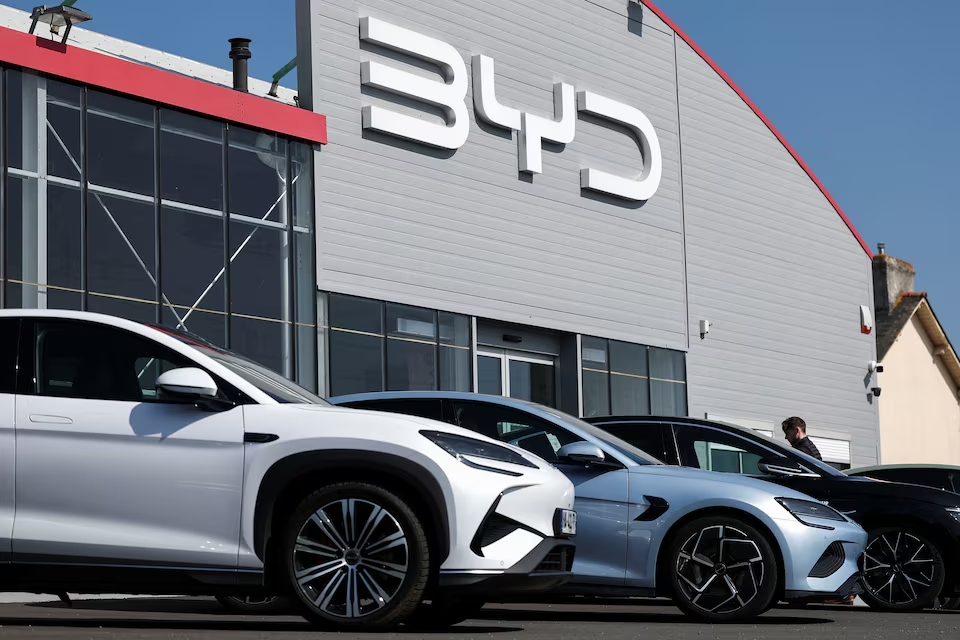
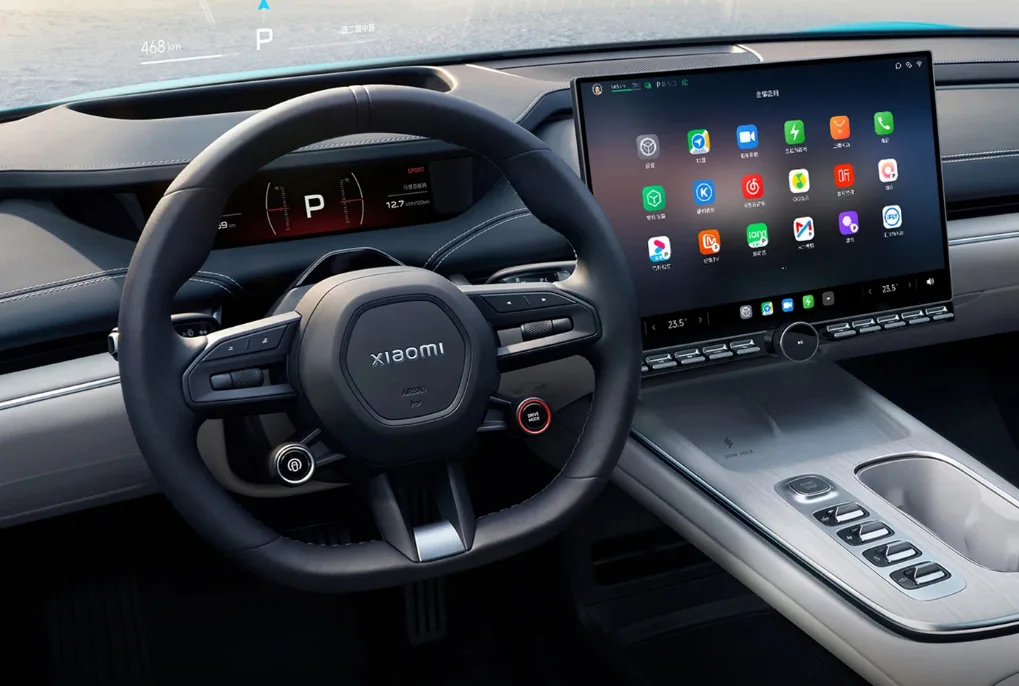
The draft aims to rein in minimalist, screen-dominated interiors popularized by Tesla and adopted by Xiaomi and BYD, amid concerns over driver distraction and system reliability.
After introducing mandatory requirements for hidden door handles, China’s Ministry of Industry and Information Technology is now seeking public comment on five compulsory national standards.
On Feb 22, MIIT drafted the Safety Requirements for Autonomous Driving Systems of Intelligent and Connected Vehicles and revisions to Symbols for Controls, Indicators and Tell-Tales of Motor Vehicles (GB 4094-2016).

The proposed revision introduces new categories and technical specifications for physical control devices, aimed at curbing overly “de-physicalized” interior designs.
Under the draft for consultation, critical functions including turn signals, hazard warning lights, gear selection and emergency calls must be equipped with fixed physical buttons or switches, each with a minimum size of no less than 10 mm × 10 mm.
Certain automatic dipped-beam headlamps and position lamps may be exempt if they meet specified conditions.
The revision also requires that drivers receive at least tactile or audible feedback during operation, ensuring they can perceive whether a control has responded effectively.
The move comes amid the widespread adoption of minimalist, large-screen cockpit layouts in new energy vehicles.

Brands such as Tesla have led the integration of multiple functions into central touchscreens, a trend later followed to varying degrees by manufacturers including Xiaomi and BYD, which have reduced the number of physical buttons.

While high levels of integration can simplify cabin architecture, heavy reliance on touchscreen interaction while driving has sparked debate over driver distraction and system failure risks.
In early February, China became the first country to introduce regulations governing hidden door handles, explicitly restricting the design.
The latest revision targeting in-cabin controls sets out to establish physical redundancy for critical safety functions as vehicle intelligence accelerates.
The draft standards provide for an approximately six-month transition period and are proposed to take effect on July 1, 2027. Public consultation will close on April 13.
Discover more from ChinaEVHome
Subscribe to get the latest posts sent to your email.