- Chinese firms now control 50.3% of Japan’s autonomous bus demo fleet, a first-time majority.
- BYD leads with 36.4% share and is expanding both e-bus and passenger EV sales in Japan.
- Japanese automakers hold just 16.1% of test vehicles as OEMs lean on overseas EV platforms.
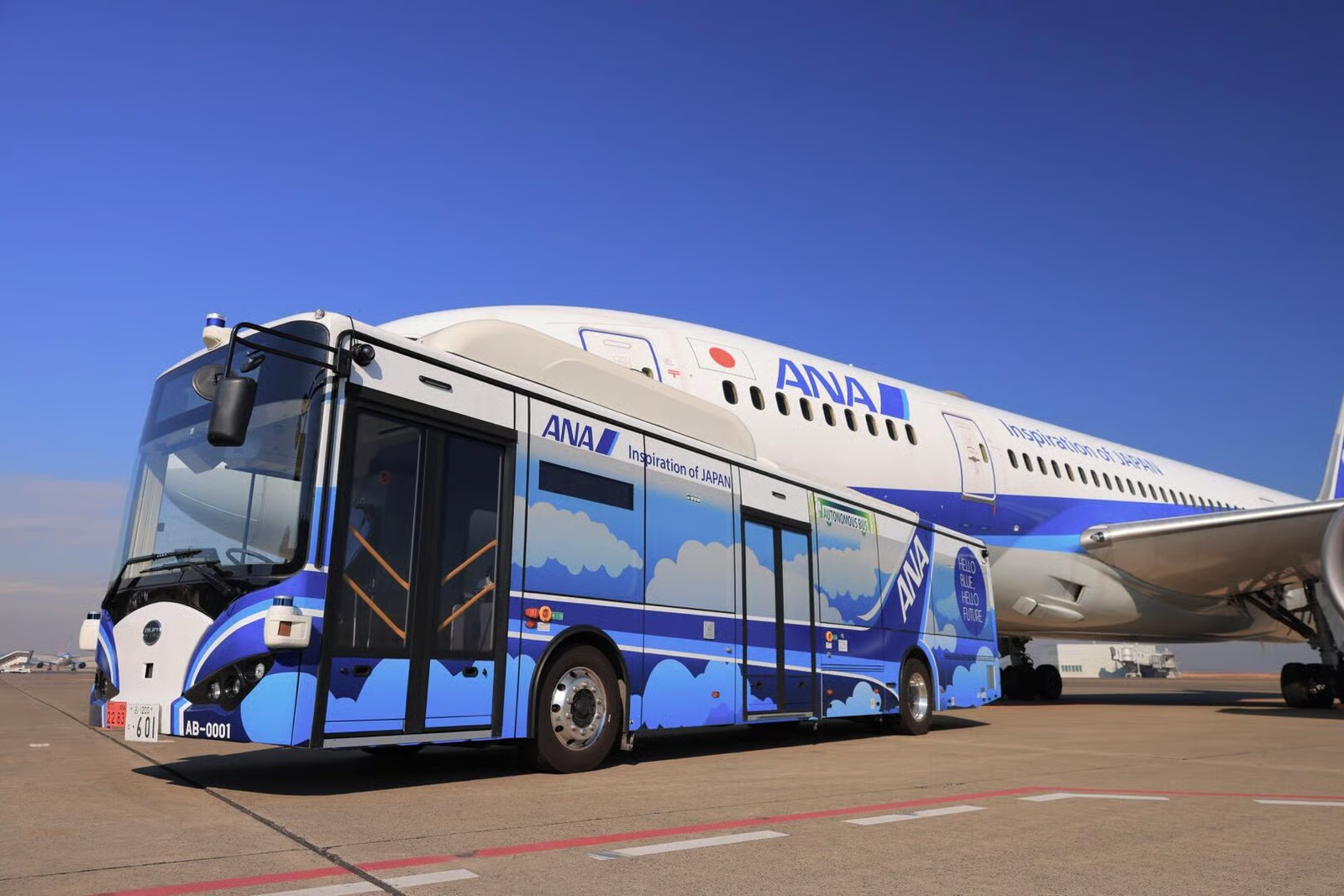
According to a report by Nikkei, citing the latest research from MM Research Institute (MM Souken), a total of 143 vehicles participated in autonomous bus demonstration projects across Japan during fiscal year 2025, an increase of 18 units from the previous year.
Among them, BYD ranked first with a 36.4% share. Chinese manufacturers collectively accounted for 50.3% of all test vehicles, marking the first time Chinese companies have captured more than half of Japan’s autonomous bus demonstration fleet.
The survey covered public-road autonomous bus pilot projects using vehicles equipped with Level 2 or higher automated driving functions, including systems capable of switching between autonomous and human driving depending on operating conditions.
Among manufacturers, BYD ranked first, followed by France-based Navya in second place.

Estonia’s Auve Tech accounted for 12.6% of the fleet, while Chinese autonomous driving company WeRide represented 2.8%.
In contrast, Japanese manufacturers maintained a relatively limited presence.
Isuzu was the highest-ranked domestic automaker with a 10.5% share, while Hino accounted for 3.5%. Combined, Japanese brands represented just 16.1% of all test vehicles.
At present, Japanese autonomous driving firms such as Tier IV and SB Drive primarily focus on software development and system integration, while vehicle platforms are increasingly sourced from mature overseas electric bus manufacturers.
Tier IV, for example, commercializes autonomous bus products based largely on BYD electric bus chassis equipped with its proprietary Autoware autonomous driving software.

By eliminating the need to develop an entire vehicle platform from scratch, the approach significantly shortens deployment timelines.
The report noted that Japanese automakers have been relatively slow to establish a presence in the electric bus segment.
Toyota and Nissan have yet to launch mature large-scale electric bus products, while Mitsubishi Fuso and its joint-venture partners are not expected to introduce their first full-size battery-electric route bus until after 2027.
Beyond its progress in Japan’s commercial vehicle sector, BYD is also expanding its passenger vehicle business in the country.

Data showed BYD registered 363 passenger vehicles in Japan in May, down 12.7% year-on-year.
However, cumulative sales for the first five months of the year reached 1,798 units, representing growth of approximately 60%.
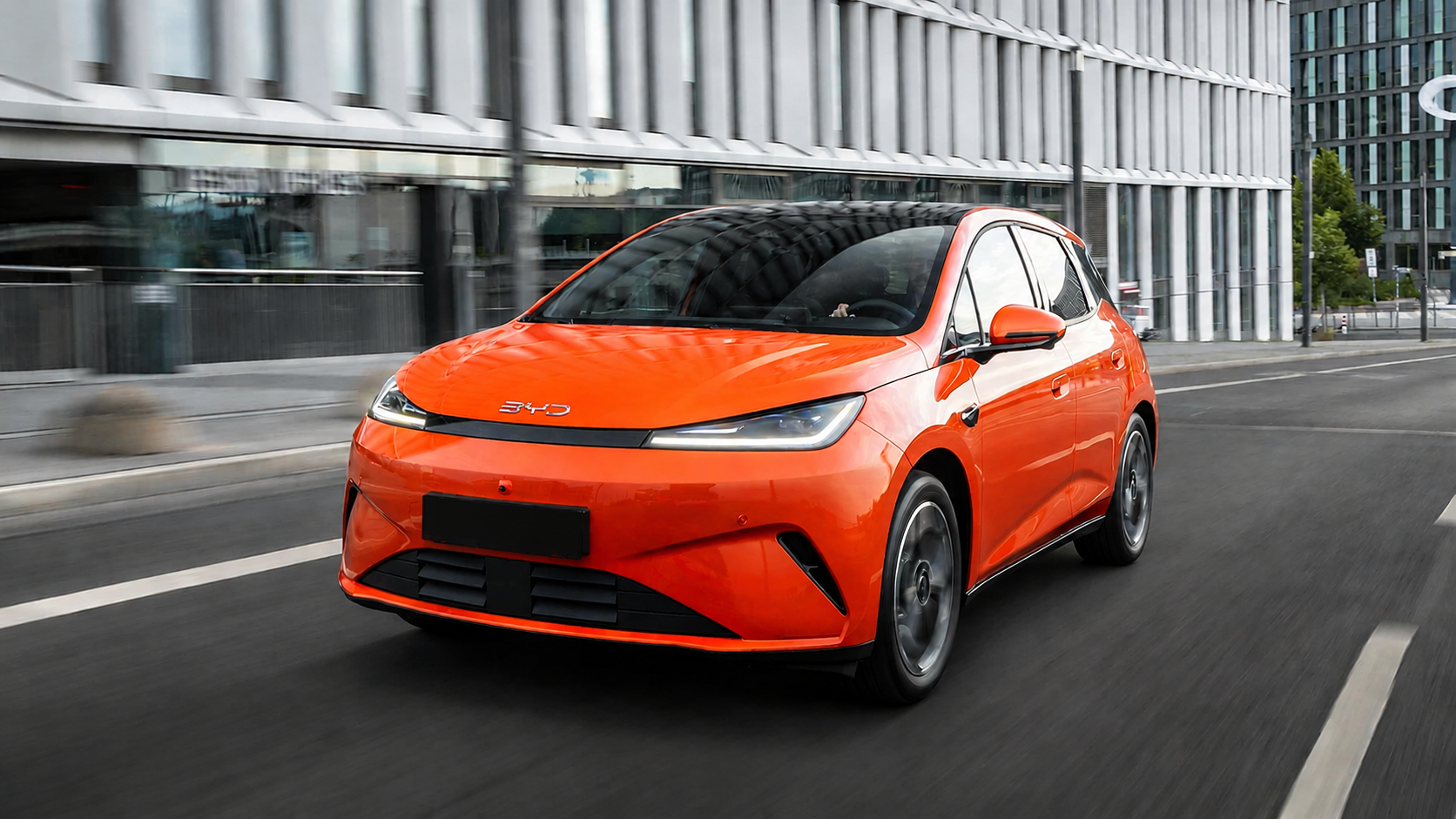
As BYD targets annual sales of more than 10,000 vehicles in Japan by 2026, the new all-electric Racco, scheduled to launch at the end of July, is expected to play a key role in driving further volume growth.
Discover more from ChinaEVHome
Subscribe to get the latest posts sent to your email.