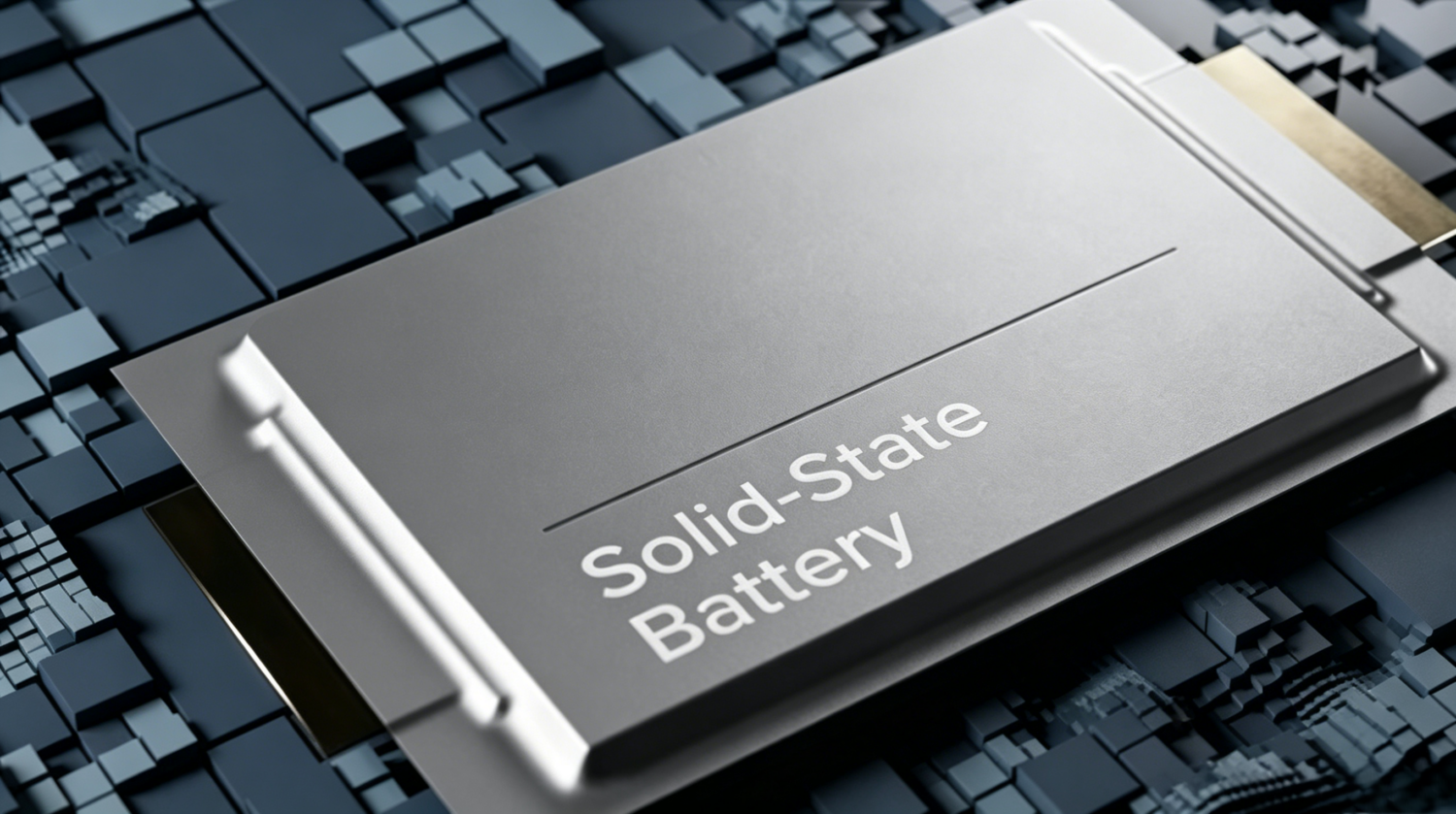
- BYD will debut an in-house sulfide-based solid-state battery vehicle in 2027 as a tech demonstration, reflecting pressure to validate next‑gen battery advantages and stay ahead of rivals.
- Pilot production shows 2 GWh line active with >90% yield and a targeted cell energy density of 400 Wh/kg; a prototype achieved a CLTC combined range of 1,218 km.
- Direct competitors include CATL and GAC pursuing similar timelines, but risks include limited 2027 volumes (low thousands), scaling to 20 GWh, and unclear mass‑production timing.
BYD Senior Vice President Stella Li said in an interview with Carwow.es in Valencia, Spain, that BYD plans to launch its first vehicle equipped with in-house solid-state battery technology in 2027.
However, the vehicle will be positioned more as a technology validation and demonstration model rather than a mass-market product for ordinary consumers.
BYD has yet to disclose the model name, battery capacity or performance specifications, and has not provided a formal timeline for mass production and commercial launch.

BYD began preliminary research into both sulfide- and oxide-based solid-state battery technologies in 2016, before shifting its R&D focus toward sulfide-based all-solid-state batteries after 2018.
Based on publicly disclosed technical information from FinDreams Battery, BYD’s next-generation products undergoing vehicle validation are likely to follow the sulfide-based route.
Earlier testing showed that BYD is targeting a cell energy density of 400 Wh/kg for its solid-state batteries, more than twice that of its current mass-produced Blade batteries.
According to testing by the China Automotive Technology and Research Center, a prototype vehicle equipped with the battery achieved a CLTC combined range of 1,218 km, setting a new domestic record for solid-state battery-powered vehicles.

BYD’s 2 GWh pilot production line in Pingshan, Shenzhen, began operations in February 2026.
The line is being used for cell-process validation and vehicle testing, with its yield rate now exceeding 90%.
Meanwhile, construction of a 20 GWh mass-production line in Bishan, Chongqing, is scheduled to begin in the third quarter of 2026, with batch demonstration installations planned from 2027.
Based on the current development pace, solid-state battery vehicle deployment around 2027 is expected to remain at a small scale.
Initial applications are likely to focus on premium models such as those under BYD’s Yangwang brand, with volumes potentially limited to the low thousands.
BYD is not alone. Major Chinese companies including CATL and GAC have publicly set similar timelines.
They envision small‑scale demonstration installations mostly for 2027‑2028, with broader‑scale adoption not expected to gain traction until after 2030.
Li also discussed autonomous driving during the interview.
She expects China to introduce regulations governing L3 autonomous driving in July 2027.
BYD has participated in the development of relevant standards and is preparing for the L3 era.
Discover more from ChinaEVHome
Subscribe to get the latest posts sent to your email.

.jpg)

