- XPeng formally branded its Robotaxi arm “XPENG YOYO,” linking rapid roll-out to a global push using a short, language-neutral name and scaling beyond China.
- The GX-based Robotaxi packs four in-house Turing AI chips delivering 3,000 TOPS, runs XPENG’s second-gen VLA pure-vision stack, completed 2,200+ employee trips, and plans pilot ops in 2026.
- Targets legacy urban taxi and AV rivals in China and abroad, but execution risks include regulatory approvals, scaling operations, overseas partner deals, and achieving vehicle-level break-even timing.
On October 8, XPeng named its Robotaxi operation “XPeng YOYO” and launched the official website and the “XPeng YOYO Autonomous Driving” ride-hailing mini-program in China, according to Candice, head of the Robotaxi business.
Candice said “YOYO” is short and pronounced consistently across languages, making it suitable for global expansion. Its Chinese name conveys the idea of relaxed, carefree travel, reflecting XPENG’s goal of delivering a more comfortable and effortless ride.

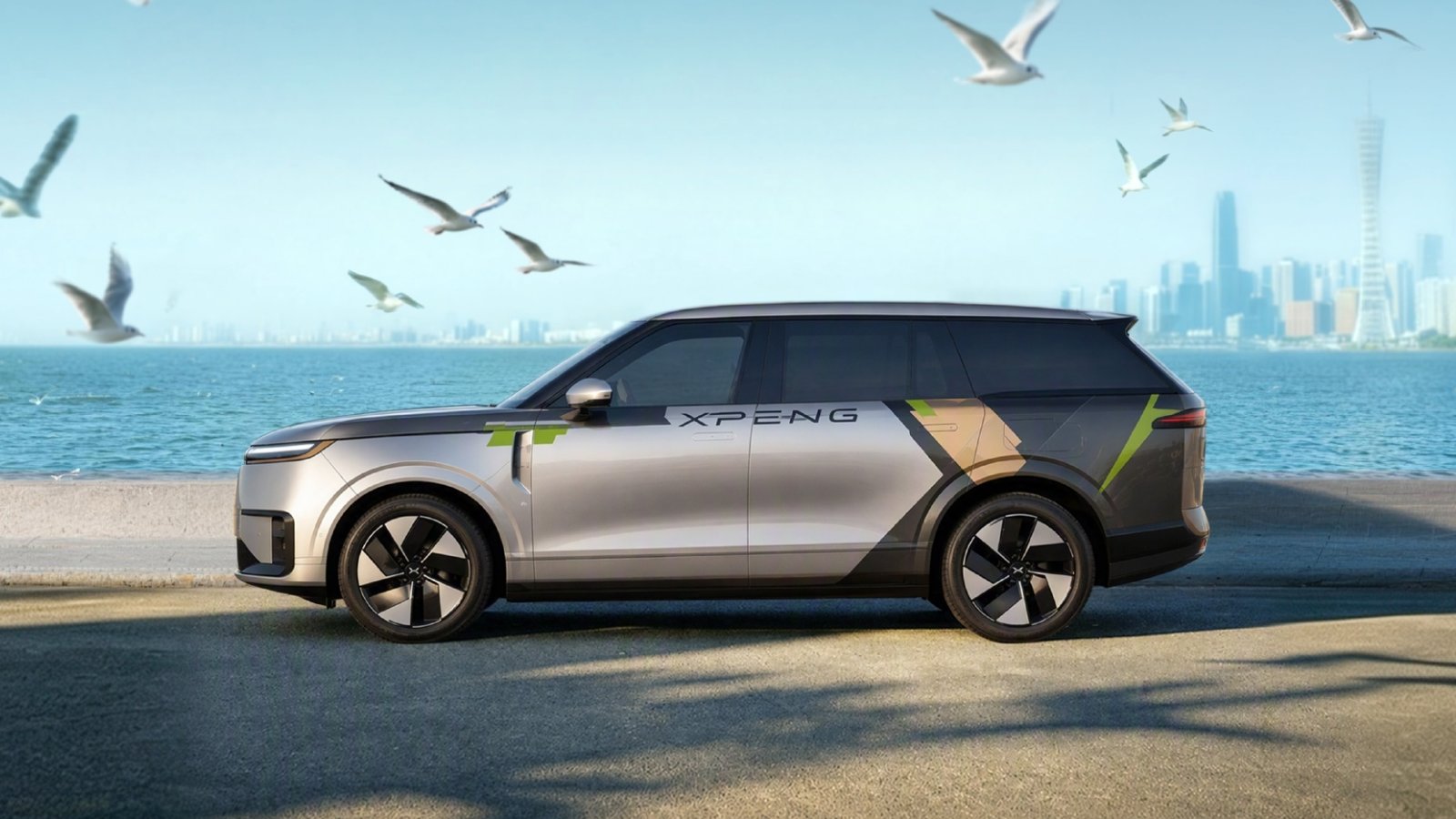
XPENG Robotaxi is a key part of the company’s physical AI strategy. The vehicle is based on XPENG’s flagship SUV GX and features four in-house Turing AI chips, delivering 3,000 TOPS of onboard computing power. It also runs XPENG’s second-gen VLA world model.
Unlike traditional L4 systems that rely on LiDAR and high-definition maps, XPENG uses a pure-vision approach. The company hopes to lower hardware costs through a mass-production vehicle architecture while making Robotaxi deployment more efficient across different cities.
XPENG has moved quickly on its Robotaxi program. The company officially announced the plan in November 2025, began regular road testing in January, established a dedicated Robotaxi division in March, and rolled its first mass-produced Robotaxi off the line in May. In July, it opened employee trials and completed the full process from online booking and autonomous pickup to trip completion.
More than 2,200 employee trial rides have now been completed. Starting today, non-employee users can also book XPENG Robotaxi rides online with an invitation code.

Meanwhile, the Robotaxi equipped with the second-generation VLA system has obtained the necessary remote-testing qualifications in Guangzhou and has entered road testing without a safety driver behind the wheel.
XPENG plans to launch pilot operations and small- to medium-scale regular demonstrations within 2026. Guangzhou will serve as a model city for commercial deployment, allowing XPENG to develop operating experience that can be replicated in other markets.
XPENG CEO He Xiaopeng previously said the company expects its Guangzhou Robotaxi business to reach vehicle-level break-even as early as the second half of 2027. The key factor, he said, is not fleet size but vehicle density within the operating area.

Overseas, XPENG is already in discussions with potential partners in Europe, the Middle East and Southeast Asia.
The company also plans to launch a new model next year designed specifically for Robotaxi operations and gradually expand the service overseas. He Xiaopeng expects markets outside China to eventually account for the majority of XPENG’s Robotaxi business.
Discover more from ChinaEVHome
Subscribe to get the latest posts sent to your email.