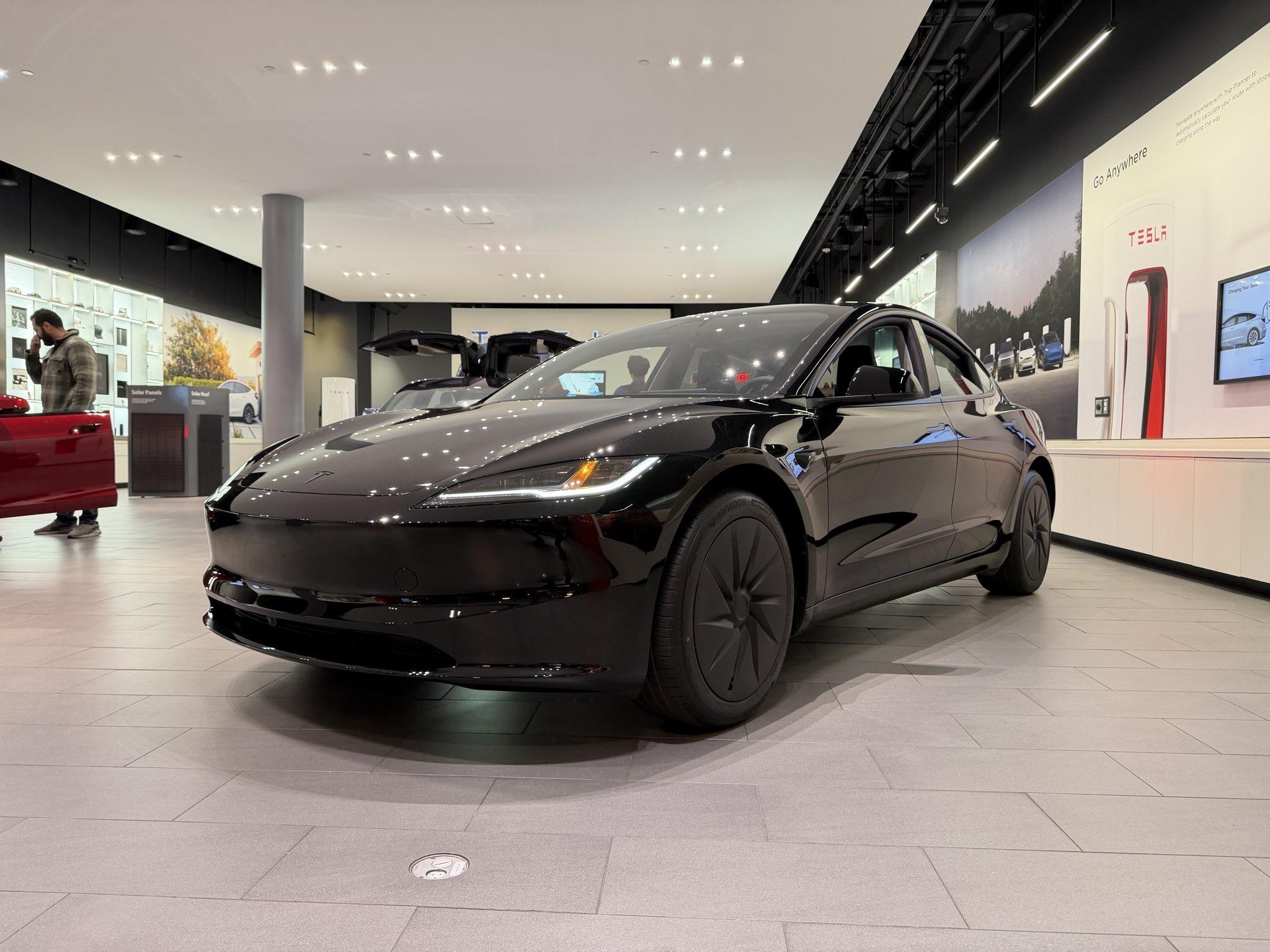
- Tesla’s strong three-year resale showing concentrated market leadership, reflecting buyer preference durability amid broader BEV value recovery and pressure on weaker NEV peers.
- Model-level data show Tesla Model 3 three-year residual value at 61.4%, Model X 59.5% and Model Y 53.9%, with BEV three-year average rising to 45.7%.
- Competitors targeted include Li Auto, BYD and NIO whose three-year values slipped, raising execution risks around scale, aftersales support, and margin pressure in used-vehicle markets.
The latest China Vehicle Resale Value Report for September 2026, jointly released by the China Automobile Dealers Association (CADA) and Jingzhengu, showed a month-on-month recovery in online used-car listings, while residual value trends diverged significantly across vehicle segments.
Data showed that China’s online used-car inventory reached 754,113 units in September, up 5.2% MoM, ending three consecutive months of decline. However, listings remained down 7.3% YoY, leaving inventory below year-earlier levels.

After broad declines in July and August, three-year residual values edged up across most vehicle categories in September, although the recovery was uneven.
Among vehicle segments, midsize SUVs recorded the largest increase, with residual values rising from 46.5% to 47.1%. Midsize-to-large SUVs and MPVs retained relatively high values, reaching 52.0% and 49.8%, respectively. Compact SUVs and small cars each gained 0.5 percentage points. Small SUVs were the only segment to decline, slipping from 47.4% to 47.0%.

Luxury brands showed signs of stabilization. Porsche led the segment with a three-year residual value of 57.0%, up 0.8 percentage points from 56.2% in August. Lexus rose to 53.9%, Mercedes-Benz to 49.3% and BMW to 43.8%.
Among mainstream joint-venture brands, Toyota ranked first at 50.1%. Honda slipped to 49.4%, while Mazda held steady at 49.3%. Buick and Nissan recovered to 44.8% and 42.6%, respectively, signaling a broader stabilization among joint-venture brands.
Chinese self-owned brands did not follow the wider recovery, with residual values continuing to edge down overall. GAC Trumpchi held steady at 54.7%, followed by Tank at 54.2%. Both remained the top two Chinese brands by residual value.

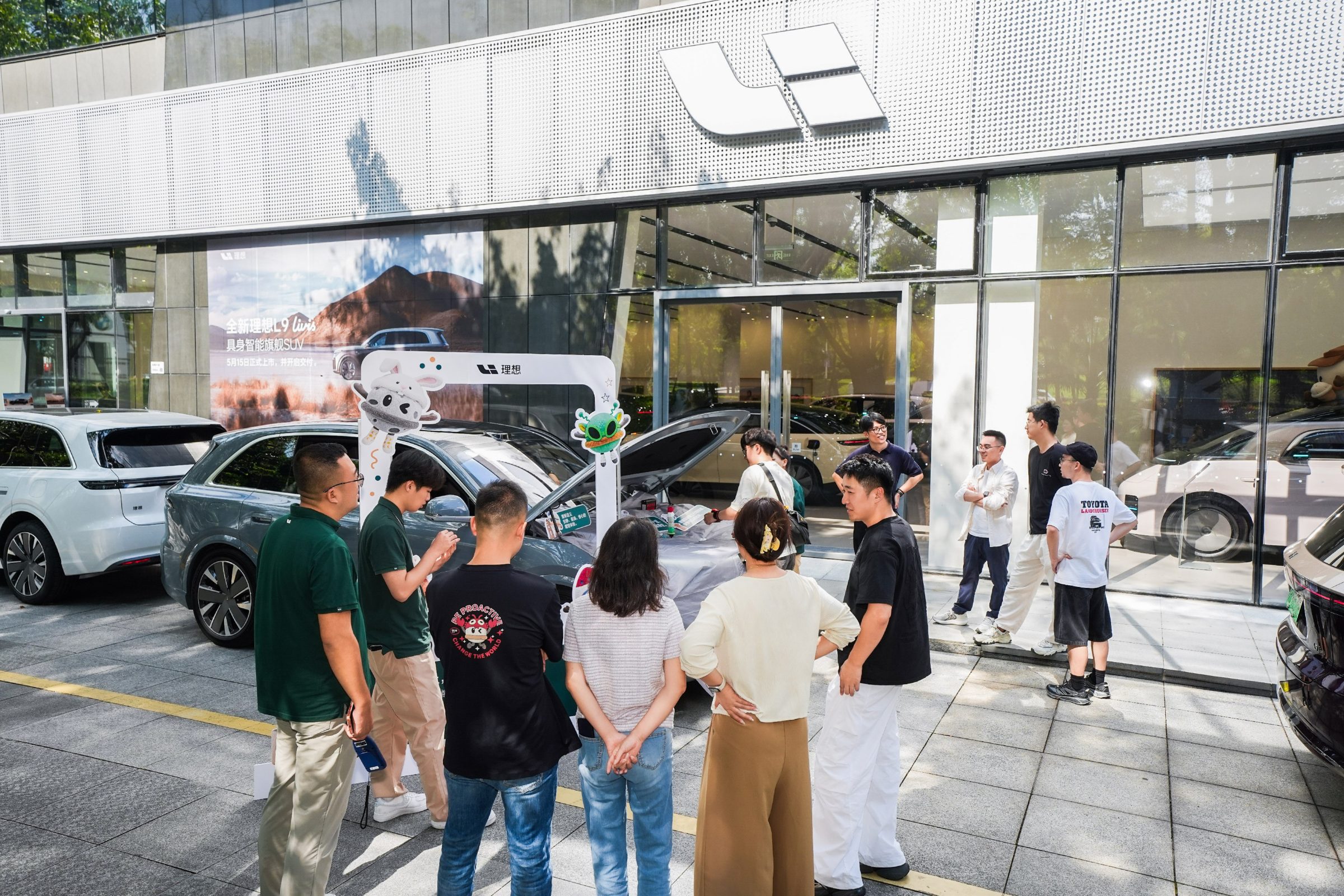
NEV brands also remained on a downward trend, although declines slowed. Tesla retained the top position at 56.3%, while Li Auto, BYD and NIO edged down to 48.9%, 46.4% and 45.5%, respectively, leaving the leading positions largely unchanged.
By powertrain, the three-year residual value of battery electric vehicles (BEVs) rose to 45.7% in September, up 0.7 percentage points MoM for a second consecutive monthly increase. Plug-in hybrid electric vehicles (PHEVs) edged down to 42.9%, widening the gap between the two powertrains.
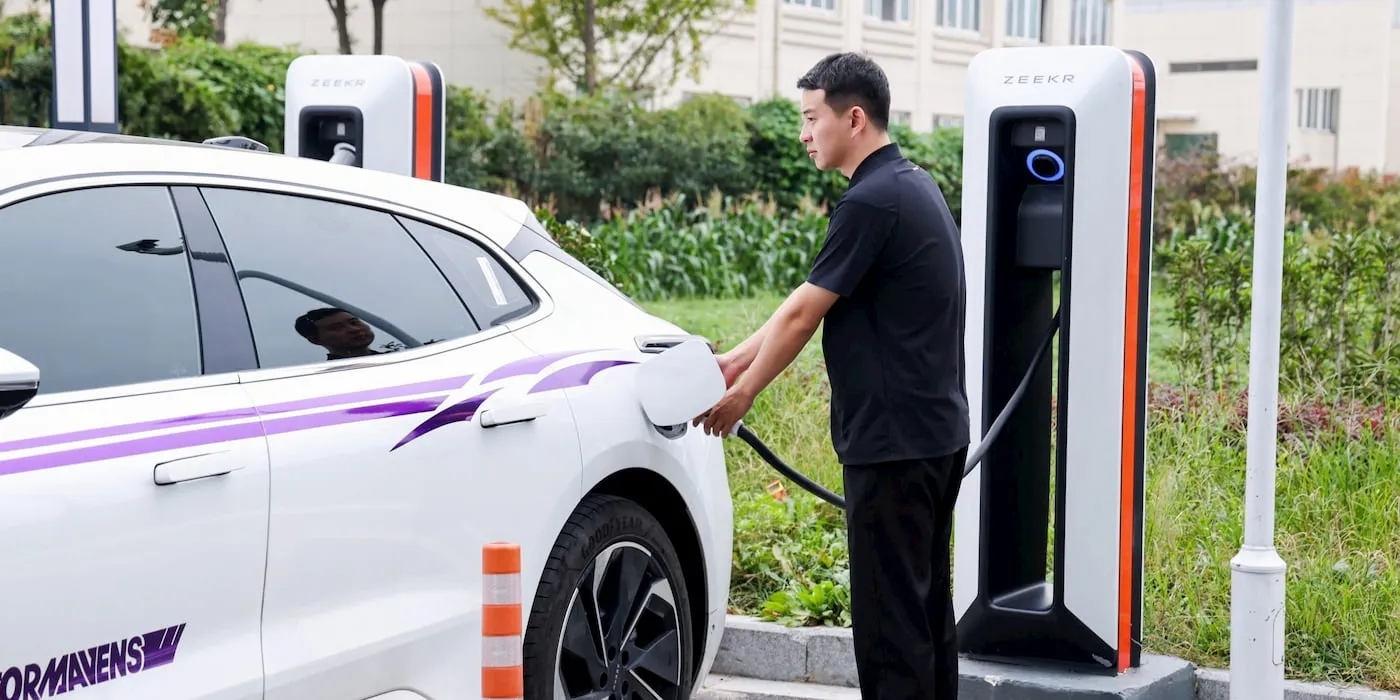
At the model level, residual value performance continued to vary significantly by vehicle age. Among one-year-old BEVs, Xiaomi YU7 led the top group at 82.5%, followed by the Li Auto MEGA at 78.1%, NIO ES8 at 77.5% and Zeekr 009 at 76.4%.

Among three-year-old BEVs, Tesla continued to dominate, with the Model 3 at 61.4%, Model X at 59.5% and Model Y at 53.9%.
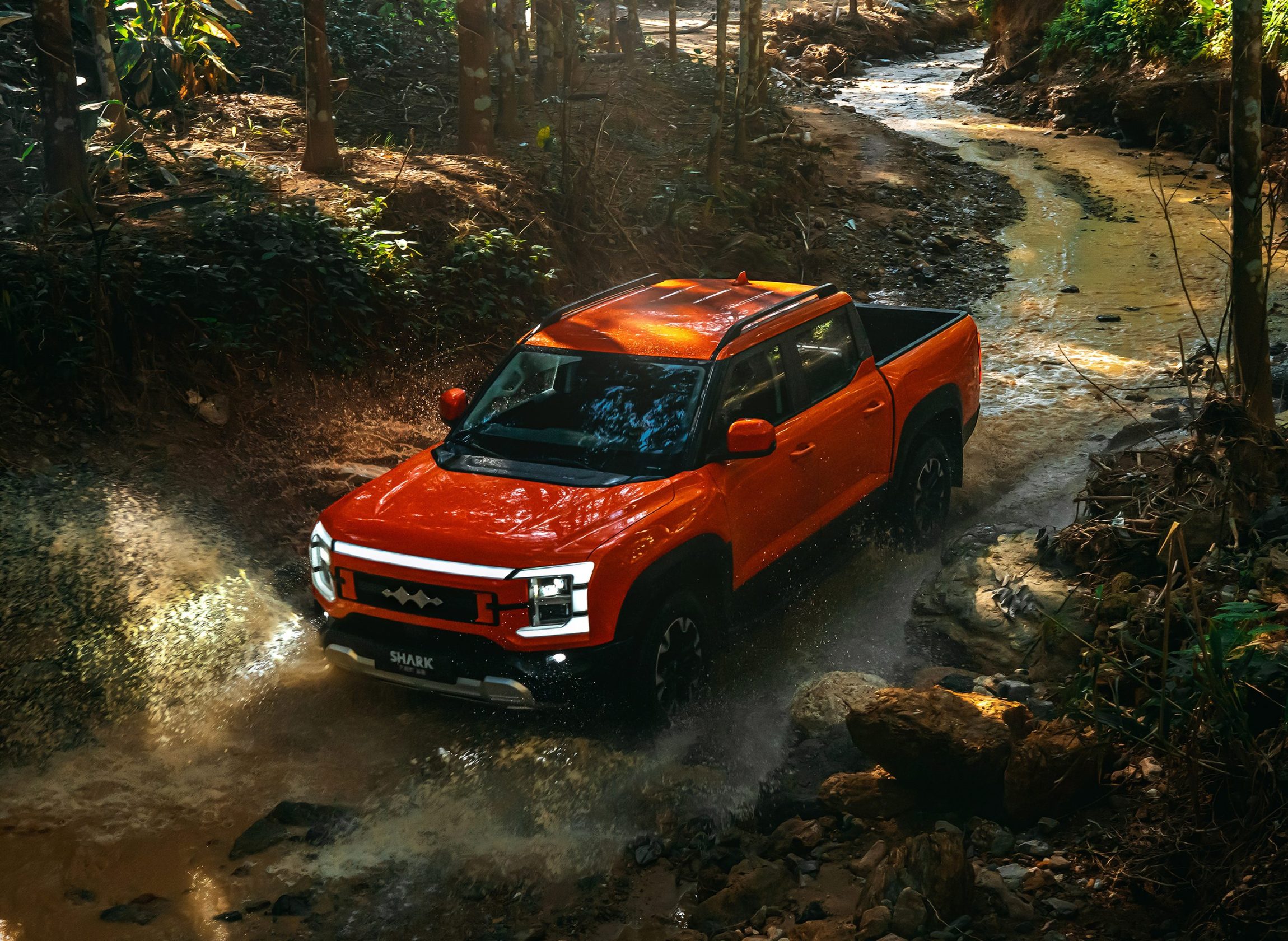
For one-year-old PHEVs, Wey Gaoshan led at 77.4%, followed by the AITO M8 at 76.0% and Tank 500 New Energy at 75.8%. In the three-year-old category, the Tank 500 New Energy ranked first at 58.0%, followed by the Tank 400 New Energy at 54.0% and Haval Raptor PHEV at 52.5%.
Discover more from ChinaEVHome
Subscribe to get the latest posts sent to your email.