- BYD has opened blind orders for a significantly upsized second‑generation Seagull, repositioning the model toward the more popular A0-class to recapture domestic demand amid shifting small-EV preferences.
- The new Seagull measures 4,205 × 1,810 × 1,570 mm with a 2,650 mm wheelbase, adds a fifth seat, raises motor output to 95 kW, and is expected to use BYD’s second‑generation Blade Battery and flash charging.
- The Seagull will compete with A0-class small EVs as BYD seeks domestic momentum despite export-driven growth, facing execution risks around Q4 launch timing, production scaling, and cannibalization across seven planned launches.
On October 9, BYD announced that the second-generation Seagull, part of its Ocean lineup, had opened blind orders. The new model is scheduled to launch in the fourth quarter.
Based on the information released so far, the redesign brings substantial changes to the vehicle’s dimensions, seating layout and powertrain specifications, while shifting its positioning closer to the A0-class battery-electric segment.
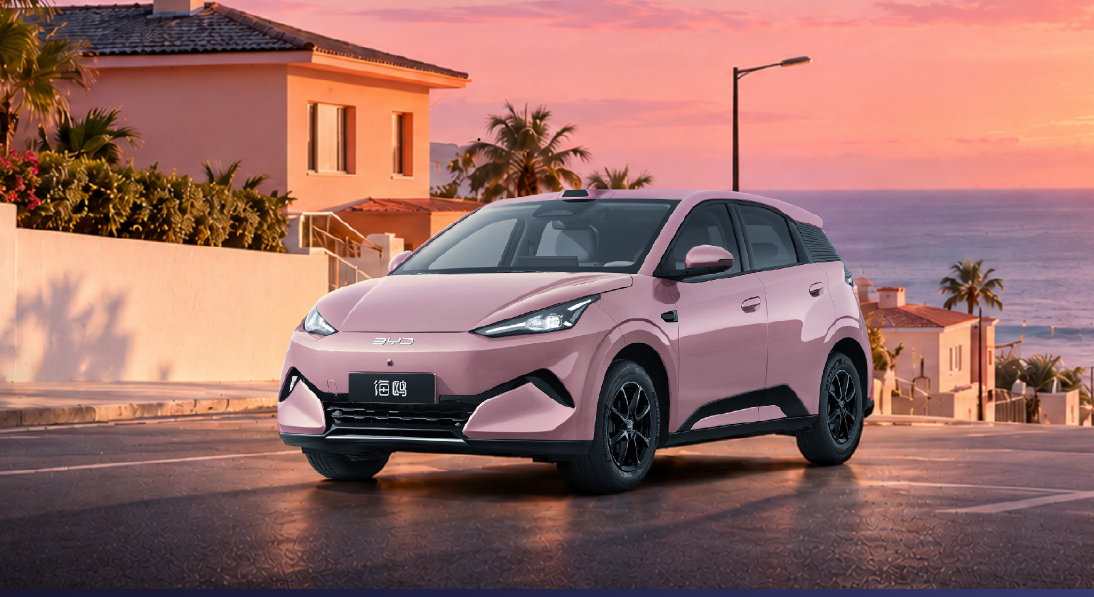
The front end features trident-style lighting. Along the sides, an ascending beltline creates a forward-leaning stance, complemented by a floating-roof design.

Preview images show the new Seagull will be available in six colors: lime green, berry pink, mango orange, coconut blue, cream white and sesame gray.
The most significant change is the increase in dimensions. Filing information shows that the new model measures 4,205 × 1,810 × 1,570 mm, with a wheelbase of 2,650 mm.
Compared with the outgoing model, the new Seagull is 425 mm longer and 95 mm wider, while its wheelbase has been extended by 150 mm.
The shift in dimensions comes as China’s A00-class EV market contracts rapidly.
According to CPCA data, wholesale sales of A00-class EVs in China reached 61,000 units in August, down 51% year on year, with their market share falling to 6%.

Over the same period, A0-class EV wholesale sales reached 365,000 units, accounting for 35% of the EV market and increasing 12.2% year on year.
The center of gravity in China’s small EV market is gradually shifting away from lower-priced, more compact A00-class models toward A0-class vehicles that offer more cabin space and greater versatility.
The seating layout has also been upgraded from four seats to five, with more generous rear legroom replacing the more basic accommodation of the previous model.
On the powertrain side, maximum motor output increases from 55 kW to 95 kW.
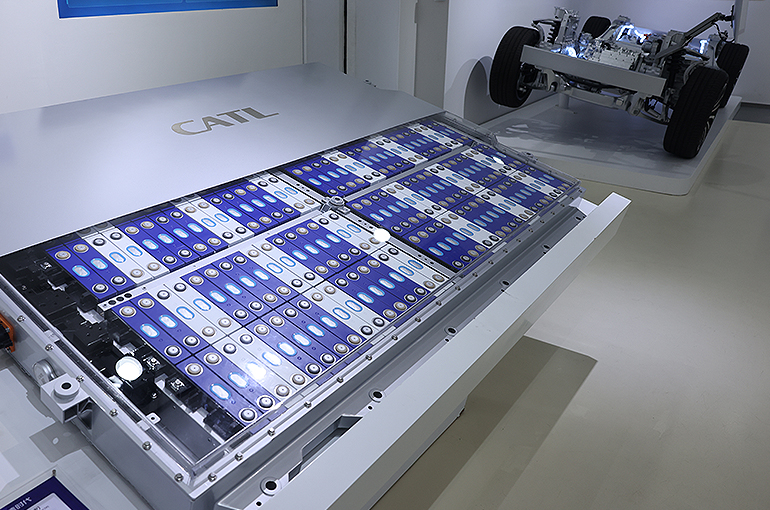
A LiDAR module is visible on the roof, while the vehicle is expected to feature BYD’s second-generation Blade Battery and flash-charging technology.
The redesign comes as BYD seeks to shore up domestic sales momentum.
The automaker sold 463,561 vehicles globally in September 2026, including 456,713 passenger vehicles, up approximately 16.98% year on year and a record monthly total.

Overseas markets provided the largest source of incremental sales in September.
Exports of passenger vehicles and pickup trucks reached 179,877 units, up 153.9% year on year and accounting for nearly 40% of total sales.
However, cumulative global sales from January to September stood at approximately 3.132 million vehicles, down 3.94% year on year.
With overseas sales growing strongly, BYD still needs new models to sustain demand in its domestic market.
According to an incomplete tally by CLS, the automaker plans to launch seven new models in the fourth quarter.
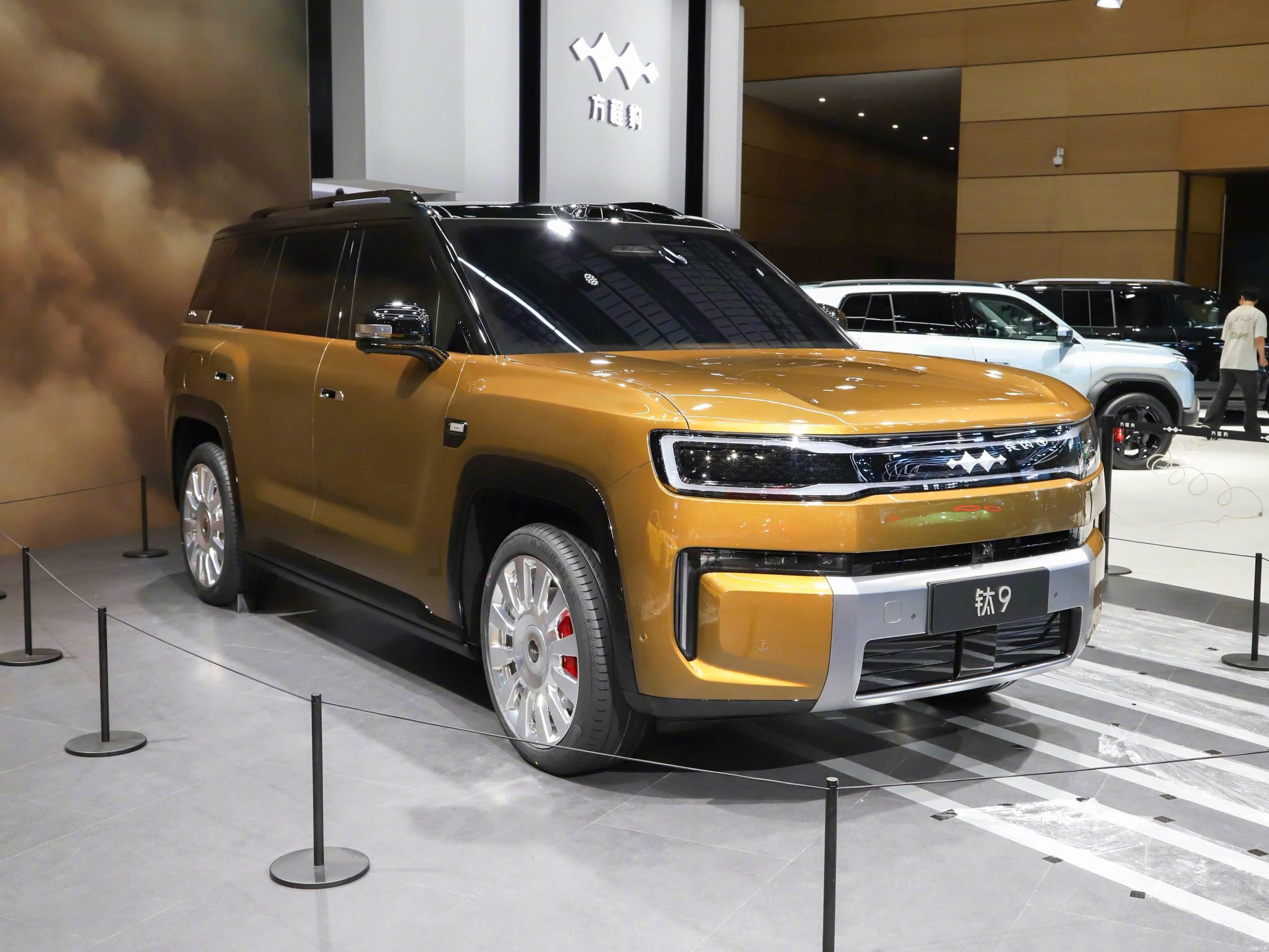
Besides the second-generation Seagull, the planned launches include the Han and third-generation Tang under the Dynasty lineup; the Seal 07 under the Ocean lineup; the Shark pickup and Tai 9 under Fangchengbao; and the Denza Z.
Discover more from ChinaEVHome
Subscribe to get the latest posts sent to your email.