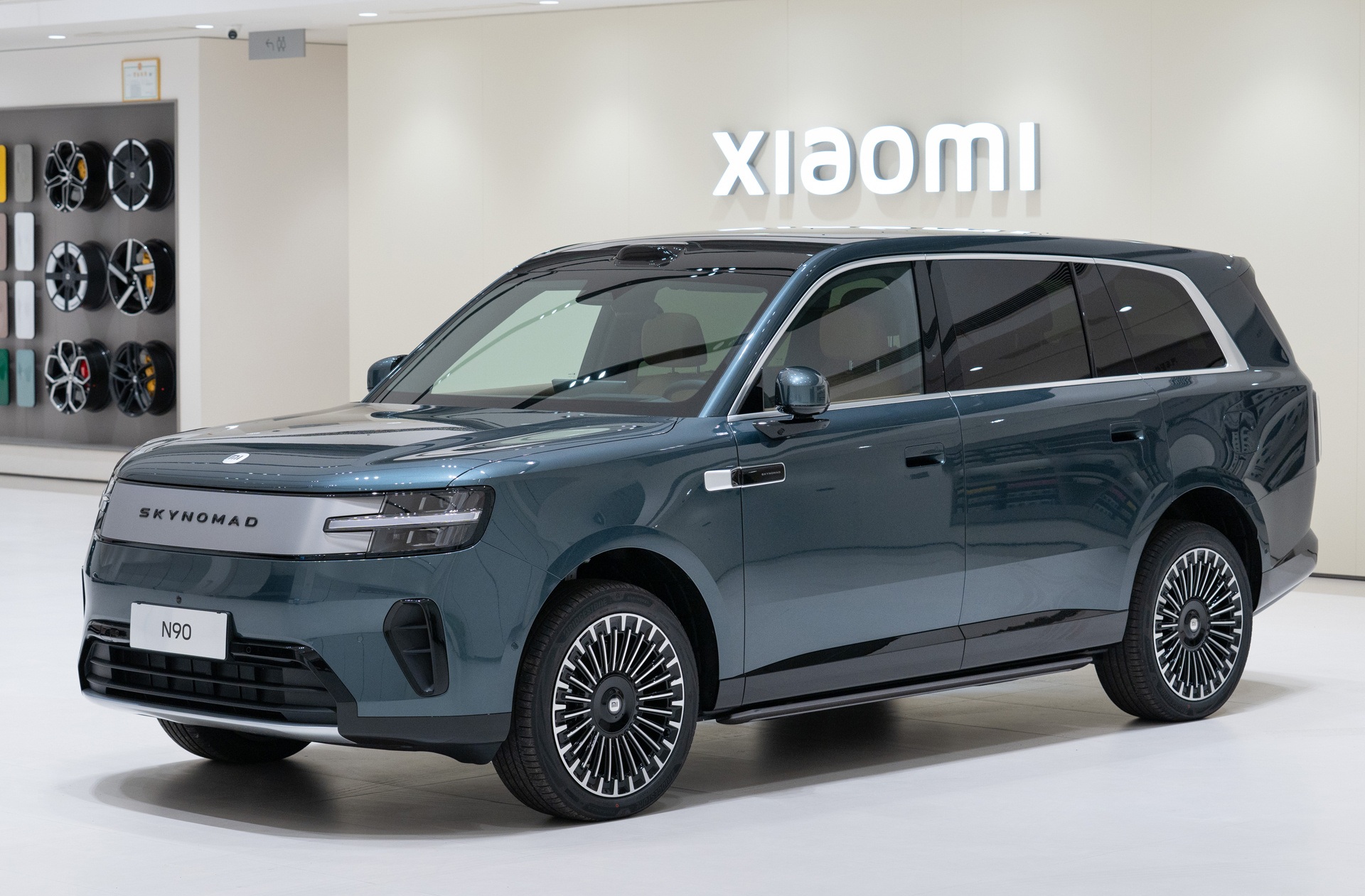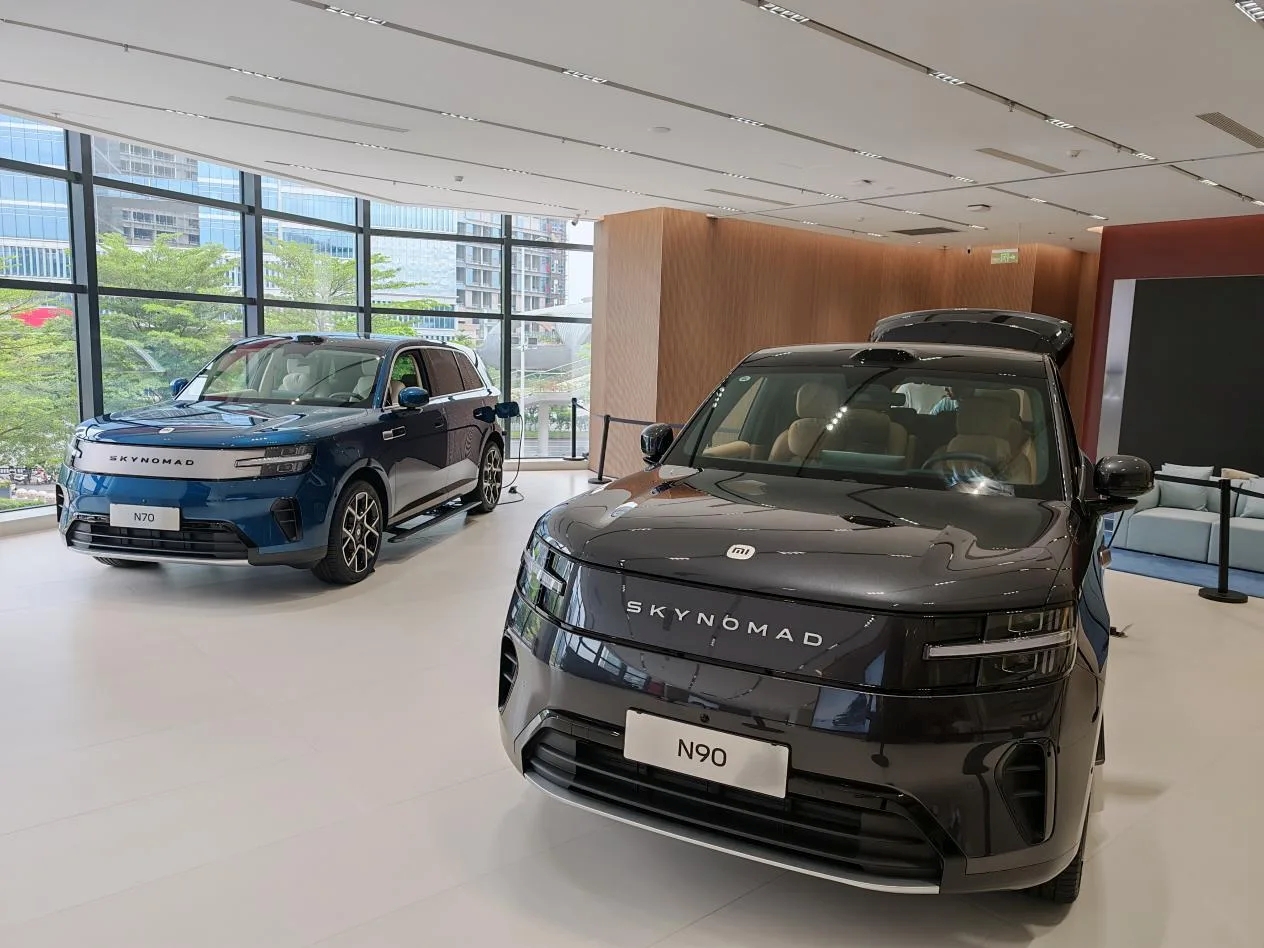
- Xiaomi shifted quickly to capitalize on demand by launching the SkyNomad series, boosting monthly mix and taking share from established SUV segments amid intense price and feature competition.
- Hard specs show September deliveries of 40,015 units, SU7 at 15,751, YU7 at 11,820, SkyNomad 12,444 (N70 7,147; N90 5,297) and 286,490 YTD through September.
- SkyNomad targets midsize and full-size SUV buyers versus Li Auto and mainstream rivals, but scaling risks include ramping production, meeting 87.8K monthly needed for Xiaomi’s 550K target, and overseas rollout execution.
Xiaomi Auto delivered 40,015 vehicles in September, marking the first time this year that monthly deliveries surpassed the 40K mark, according to the latest data from the China Passenger Car Association (CPCA).
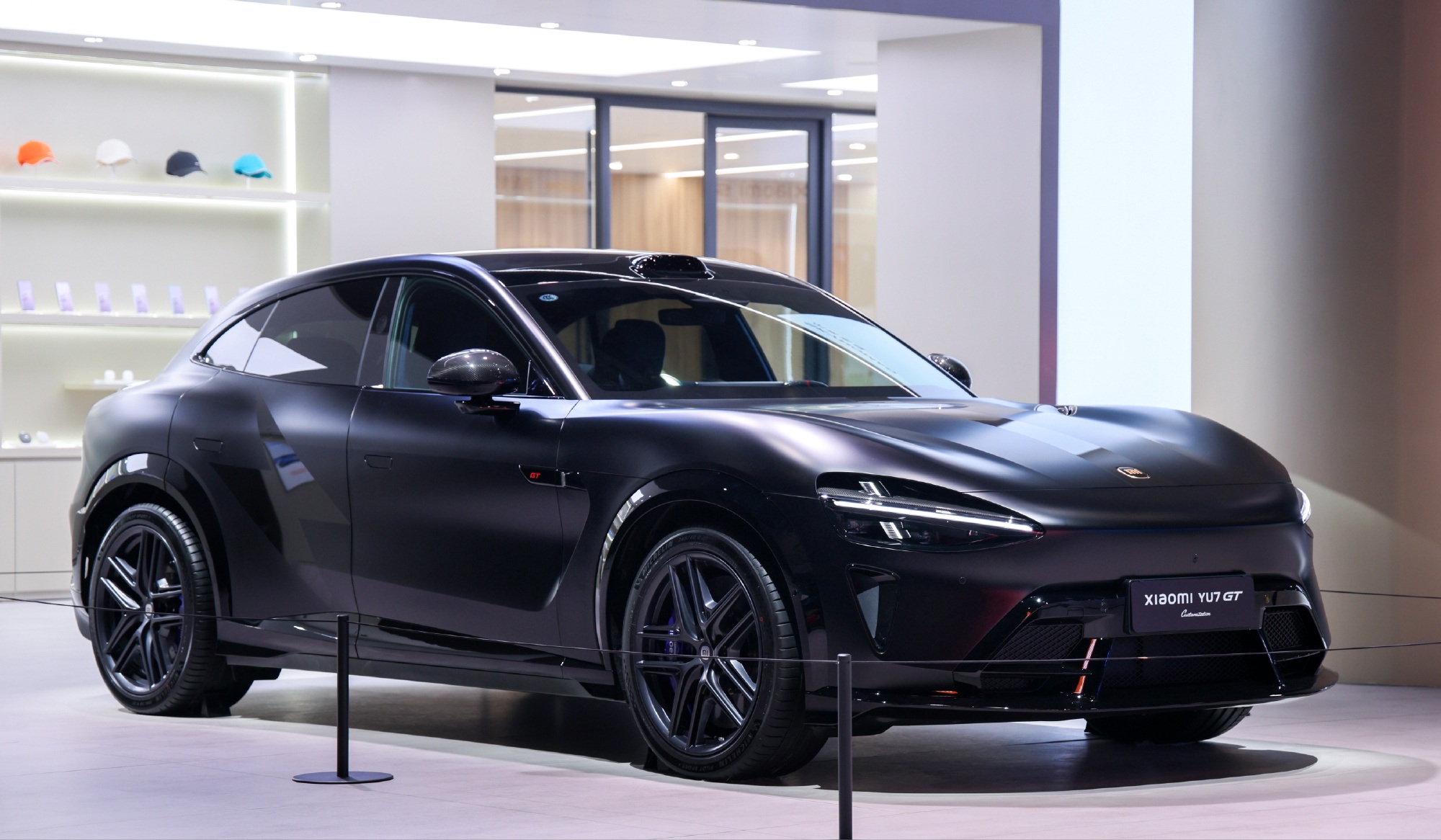
By model, the Xiaomi SU7 maintained steady momentum with 15,751 units delivered in September, while the Xiaomi YU7 recorded 11,820 deliveries. Meanwhile, the SkyNomad series, which officially launched in early September, delivered 12,444 units and became a key driver of Xiaomi’s monthly growth.

Within the lineup, the SkyNomad N70 accounted for 7,147 deliveries, while the N90 reached 5,297 units. Despite their relatively short time on the market, both models posted first-month delivery results that exceeded market expectations.
At the segment level, the SkyNomad N90 ranked seventh among China’s full-size SUV models by sales in September. The SkyNomad N70 ranked second in the extended-range midsize-to-large SUV segment, trailing only the Li Auto L6.
However, the SkyNomad lineup remains in the early phase of deliveries. The two models had already accumulated more than 70K locked-in orders in their first month after launch. As production ramps up, monthly deliveries are expected to continue rising in the coming months.

Beyond the incremental volume brought by SkyNomad, Xiaomi’s two existing pure electric models also maintained stable performance, with no major impact from the new launches.
In September, the Xiaomi SU7 ranked first among sedans priced above RMB 200K in China.
The sales performance highlights Xiaomi’s clearer product segmentation compared with some automakers that rely on new launches at the expense of existing models.
Its BEV lineup targets younger, technology-focused consumers who prioritize design, performance, intelligent driving and driving dynamics.
The extended-range lineup focuses on family users seeking larger cabins, multi-passenger travel capability and longer-distance convenience. The N70 is positioned for daily use by families with two children, while the N90 targets larger households and long-distance travel scenarios involving multiple generations.

From a cumulative perspective, Xiaomi Auto delivered 286,490 vehicles from January to September. The figure leaves the company about 263.5K units short of its full-year delivery target of 550K vehicles.
To reach that goal, Xiaomi would need to deliver an average of about 87.8K vehicles per month during the final three months of the year.
For Xiaomi Auto, which still relies primarily on the Chinese market and has yet to officially begin overseas sales, meeting the annual target remains a significant challenge.
However, the company has already started preparing for future global expansion.
In July, Xiaomi Auto opened multiple positions for its European operations, covering after-sales warranty management, technical training, customer complaint handling, parts supply chain management and inventory operations. The hiring push marks a further step toward establishing a localized European operating system.

Xiaomi CEO Lei Jun previously confirmed that Xiaomi Auto plans to enter the European market in 2027, with Germany as its first destination. The initial European lineup is expected to include the SU7 series and the high-performance version of the YU7.
Rather than pursuing a low-price strategy, Xiaomi plans to maintain its premium positioning overseas.
Discover more from ChinaEVHome
Subscribe to get the latest posts sent to your email.