- Xiaomi launched the SkyNomad N70/N90 SUVs and quickly amassed heavy showroom interest, signaling a strategic push to capture family buyers switching from gasoline and NEVs.
- The line includes four models priced RMB 209,900–RMB 299,900 (about $31,240–$44,620), N90 demand ~60%, N70 ~25%, Explorer ~15%, with claimed 505‑km CLTC range on N90.
- Buyers commonly compare SkyNomad to Li Auto L6/L8 and XPeng G9L/GX, but scaling delivery from locked orders to confirmed deliveries, dealer fulfillment and margin pressure remain concrete execution risks.
Chinese automotive media outlet CarFans published a weekly report on first-line market activity for Xiaomi’s SkyNomad N70/N90 series on Sept. 15.
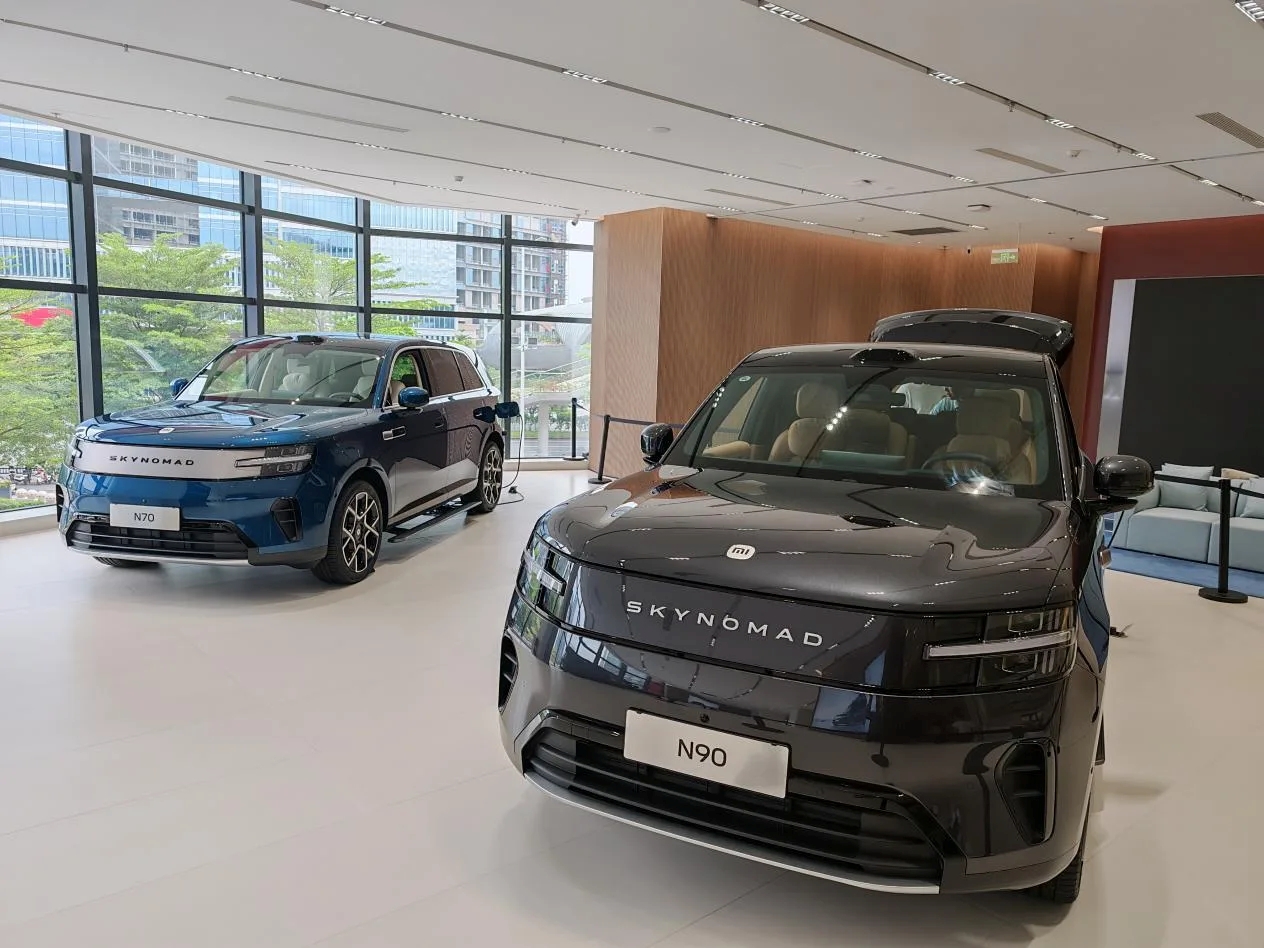
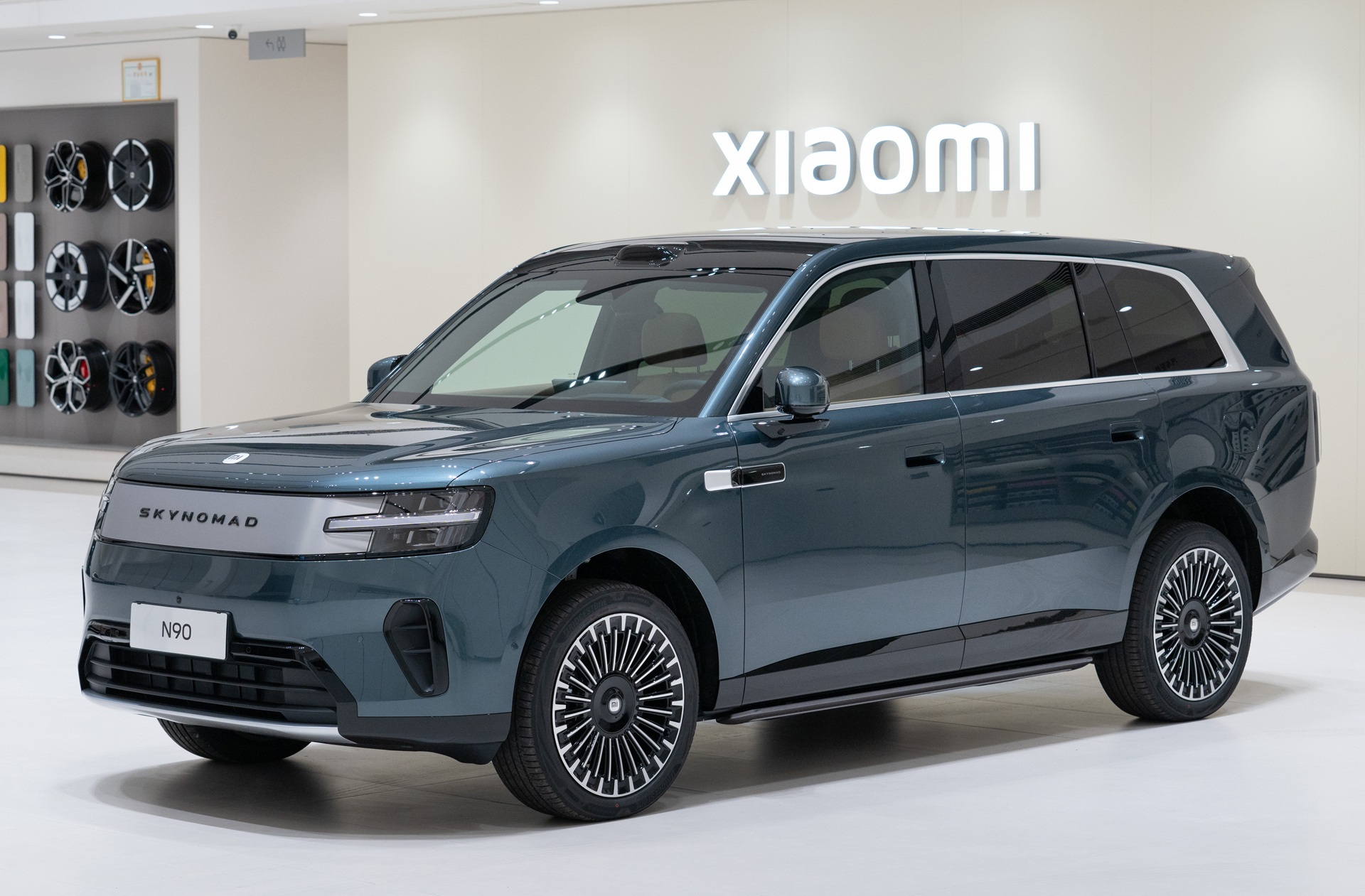
The Xiaomi SkyNomad series officially went on sale on September 7, with four models — the N70 Pro, N70 Max, N90 Max and N90 Max Explorer Edition — priced from RMB 209,900 ($31,240) to RMB 299,900 ($44,620).
Four minutes after the launch, Xiaomi CEO Lei Jun announced that locked orders had surpassed 10,000 units.
Xiaomi subsequently estimated delivery times of one to five weeks. On September 12, the first vehicles began deliveries across 75 cities in China.

According to feedback from dealerships, each SkyNomad store added about 80-100 locked orders during its first week on sale.
About 80% of showroom visitors were potential buyers, while overall foot traffic increased by around 300% from previous levels.
Xiaomi said vehicles from the SkyNomad series had begun arriving at dealerships nationwide from July 30, covering 499 stores across 146 cities.
Based on those figures, the series may have accumulated more than 40,000 locked orders.
The buyer profile also shows clear family-oriented characteristics.
The report said core SkyNomad customers are mainly aged 30-45, with men accounting for about 80% and replacement or upgrade buyers also making up roughly 80%.

This suggests that many customers are not first-time car buyers, but are replacing existing gasoline or new-energy vehicles.
Higher-spec versions account for the majority of demand. The N90 series represents about 60% of orders, the N70 about 25%, and the N90 Explorer Edition about 15%.
Dealership feedback indicates that buyers are particularly interested in the N90’s ultra-long sliding rail system and 505-km CLTC electric range.
Some customers said after test drives that its interior space and cockpit layout were better suited to family use.
Consumers are comparing the SkyNomad series with a relatively broad range of competitors, although Li Auto and XPeng are currently the most common reference brands.
About 30% of buyers compare the SkyNomad with the Li L6 and L8, while another 30% compare it with the XPeng G9L and GX.
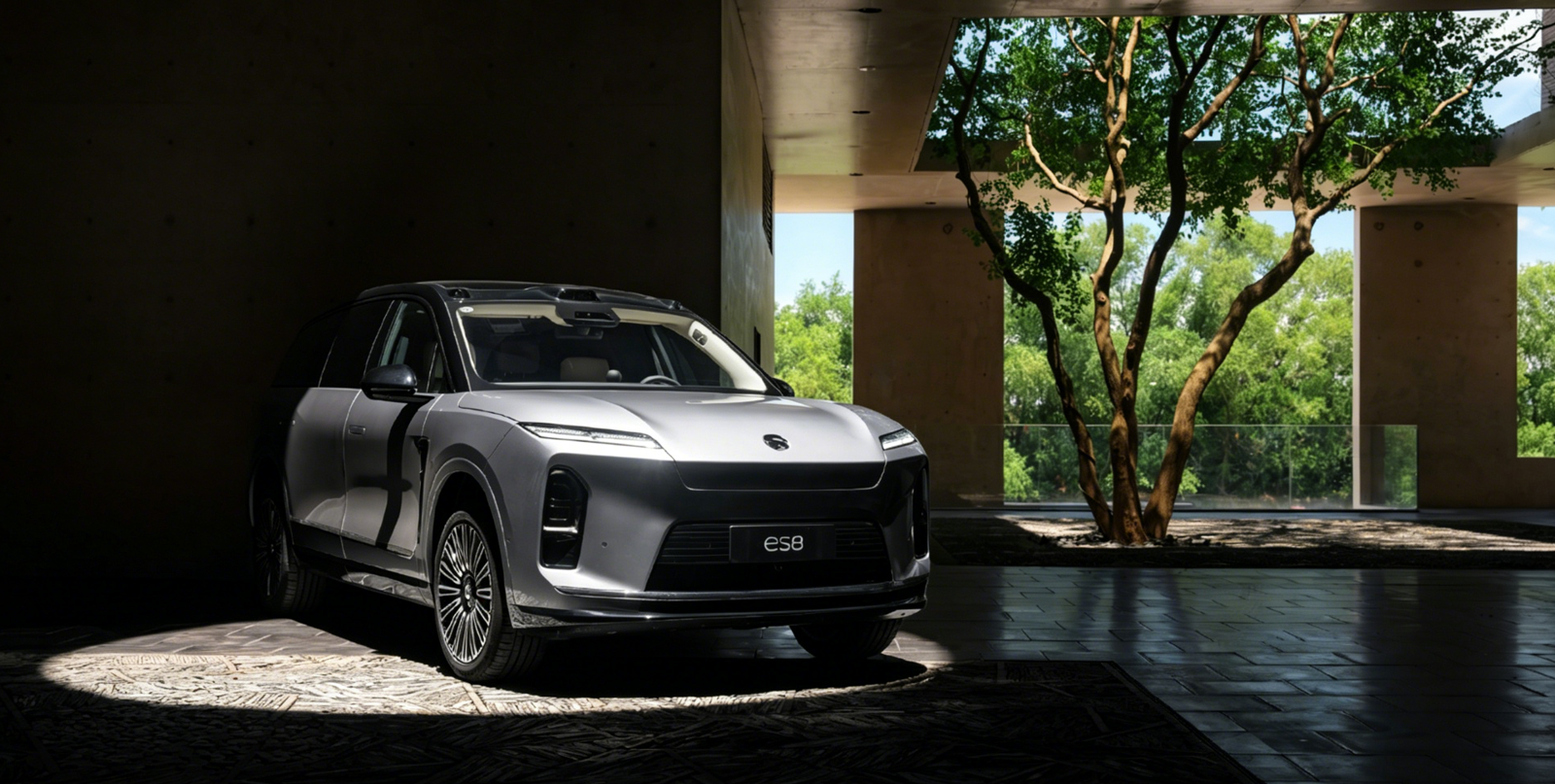
Around 20% of customers compare it with MPVs such as the Voyah Dream and Buick GL8, while other comparisons mainly involve the NIO ES8 and models under the HIMA.

In terms of positioning, the SkyNomad series does not fully overlap with the customer base of Xiaomi’s SU7 and YU7.
The report said some consumers had been following the SkyNomad series for an extended period before placing orders after its launch and test drives.
The addition of the SkyNomad series further broadens Xiaomi Auto’s product coverage.
As of September 7, Xiaomi Auto’s cumulative deliveries across its lineup had surpassed 800,000 units in about 29 months.
Monthly deliveries have remained relatively strong in 2026, exceeding 30,000 units for five consecutive months from April through August.
If the current locked orders are converted into deliveries at a relatively rapid pace, the SkyNomad series could help Xiaomi Auto lift monthly deliveries toward the 40,000-unit level.
Discover more from ChinaEVHome
Subscribe to get the latest posts sent to your email.