- NIO is shifting to contract-manufacture its in-house 46105 large-cylindrical cells with EVE Energy and Gotion, reflecting pressure to diversify supply while advancing proprietary cell designs.
- The 46105 design targets 292 Wh/kg, 120 kWh pack capacity and 5C fast charging; NIO has invested over RMB 2 billion (about $298.3 million) into battery development.
- The approach targets premium competitors using cylindrical cells like BMW and Tesla, but faces execution risks from validation, production constraints, slow mainstream adoption and supply scaling.
NIO’s in-house-designed large-cylindrical battery cells are expected to be contract-manufactured by EVE Energy and Gotion High-Tech, with a very small batch of cells expected to roll off production lines by the end of this year, according to a Chinese media report.
People familiar with the matter said that production constraints and technical validation requirements would make it difficult to achieve mass production in the near term.
While advancing its in-house battery development, NIO is also expanding external supply.
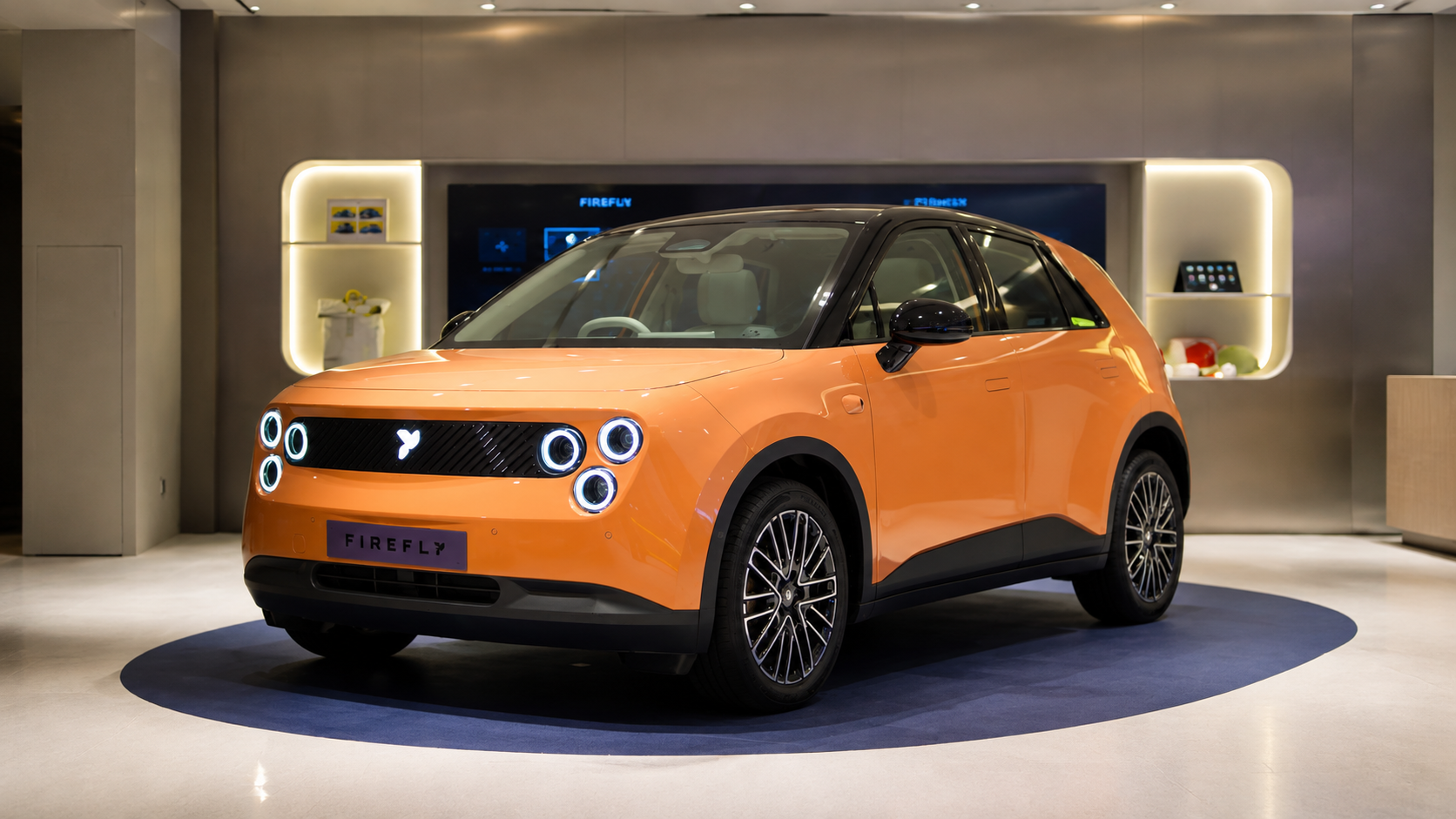
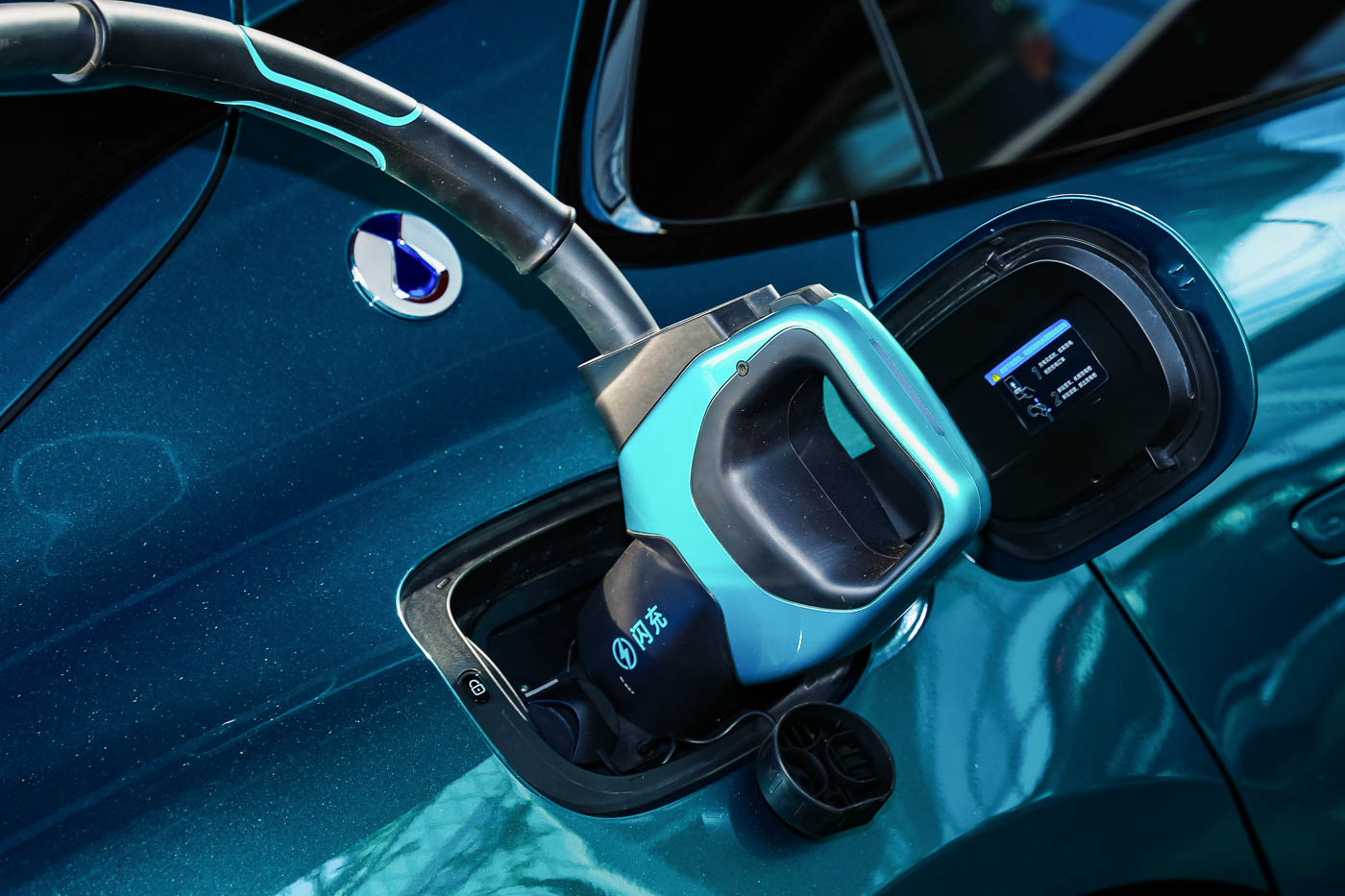
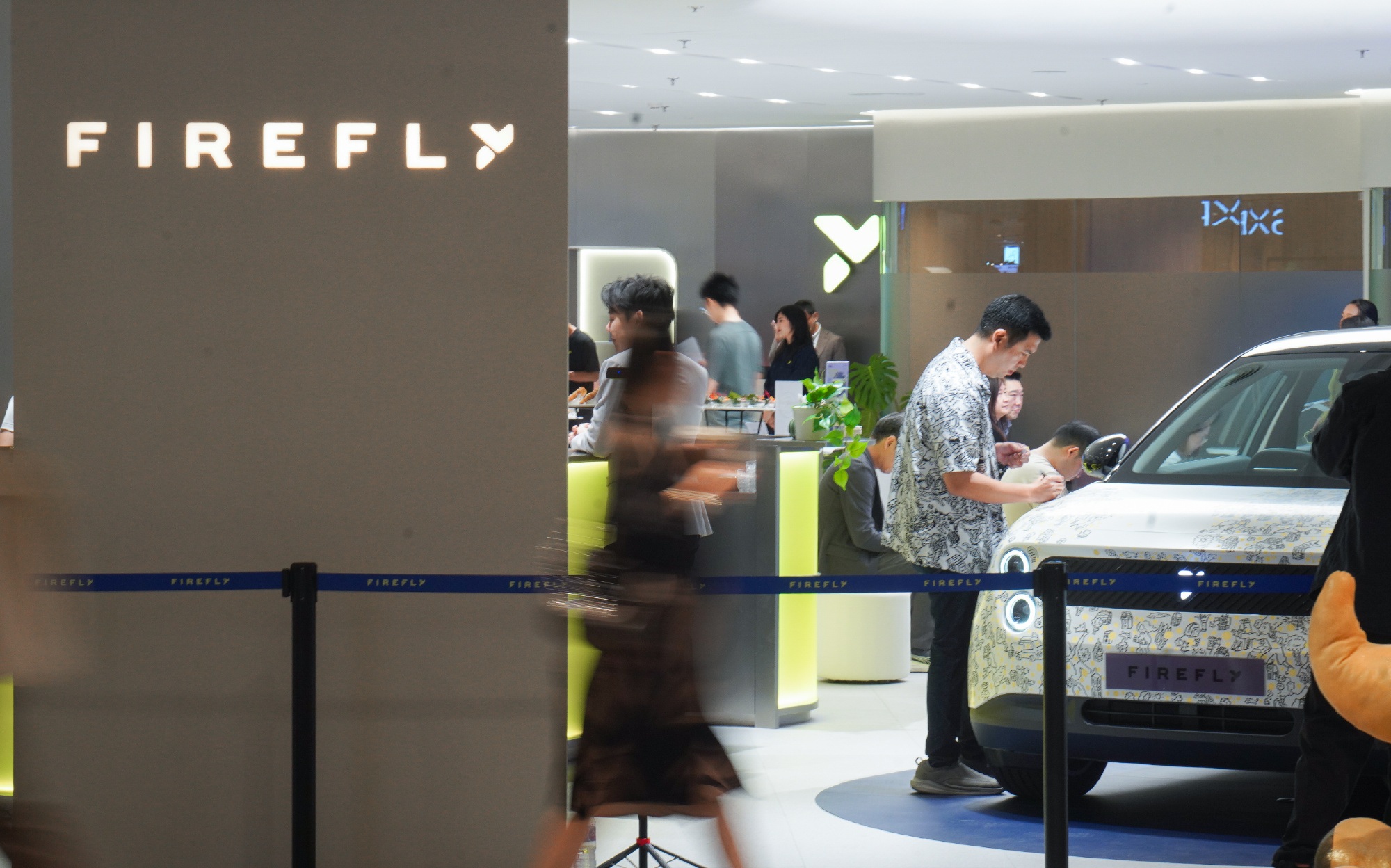
The report said deliveries of prismatic batteries from CATL are increasing, with both ONVO and firefly models having begun to use CATL batteries.

This suggests NIO will continue to rely on established suppliers to meet vehicle delivery needs for now, while its in-house large-cylindrical battery program progresses according to its own development schedule.
NIO began developing its own batteries in 2021, when it assembled a battery R&D team and worked with CATL to introduce a 75 kWh hybrid battery combining ternary lithium and lithium iron phosphate chemistries.
In 2022, NIO CEO William Li said at an earnings briefing that the company’s battery team had grown to more than 400 people.
NIO planned to develop battery packs for 800 V high-voltage platforms, with its technical roadmap including 4680 large-cylindrical cells.
In February 2023, NIO announced the start of construction on Phase I of an industrial base in Hefei, with planned capacity of 40 GWh.
However, amid financial pressure, equipment procurement for the relevant production lines was put on hold six months later.
At NIO Day at the end of 2023, the company officially unveiled its 46105 large-cylindrical battery design.
The cells were intended for a 900 V high-voltage platform, with an energy density of 292 Wh/kg, a battery-pack capacity of 120 kWh and support for 5C fast charging.

The battery was originally planned for the ET9. However, when the ET9 eventually went on sale, it used a CATL prismatic battery pack, and NIO’s in-house large-cylindrical cells did not make it into the vehicle as scheduled.
In September this year, Li revisited the company’s battery development efforts, saying NIO had invested more than RMB 2 billion ($298.3 million) in the field.
Its main in-house development focus is on long-life large-cylindrical cells, using a model that combines proprietary development with contract manufacturing.
The two potential manufacturing partners each bring relevant strengths.
EVE Energy already supplies large-cylindrical batteries for BMW’s battery program and has manufacturing experience with this cell format.
On October 15, BMW’s Gen6 batteries began rolling off production lines within its manufacturing system. EVE Energy supplies the large-cylindrical cells used in the program.

Gotion High-Tech is also developing large-cylindrical batteries. Its headquarters are in Hefei, relatively close to NIO’s industrial base.
Across the industry, large-cylindrical cells have yet to become a mainstream traction-battery format.
Only a limited number of automakers, including Tesla and BMW, have adopted the technology, and relatively few mass-production vehicles use it.
Prismatic batteries remain dominant, supported by mature supply chains and the advantages of large-scale manufacturing.
For NIO, increasing purchases of prismatic cells helps secure battery supply and maintain deliveries of its current vehicle lineup.
NIO is currently in a period of delivery growth. In September 2026, NIO Inc. delivered 37,408 vehicles, up 7.7% year on year.
Deliveries for the first nine months of the year totaled approximately 300,300, up 49.2% year on year.
Discover more from ChinaEVHome
Subscribe to get the latest posts sent to your email.