- Xiaomi’s deliveries topped 50,000 in October as SkyNomad SUVs drove a new production focus toward larger, extended-range family models to regain volume amid fierce domestic competition.
- SkyNomad series logged 27,132 October deliveries—N70 14,545 units and N90 12,587 units—while SU7 and YU7 each exceeded 10,000, with year‑to‑date deliveries at 336,613 units.
- The SUVs target midsize and full‑size segments versus BYD and Fangchengbao, but hitting the 550,000 annual goal looks unlikely due to ramp timing, seasonal demand and scaling challenges.
Xiaomi Auto delivered 50,123 vehicles in October, up 25.26% month on month and 3.02% year on year, according to the latest data from the China Passenger Car Association (CPCA). It was the first time this year that the automaker’s monthly deliveries exceeded 50,000 units.
The SU7 and YU7 continued to deliver steady volumes, with 12,954 and 10,037 units delivered in October, respectively.

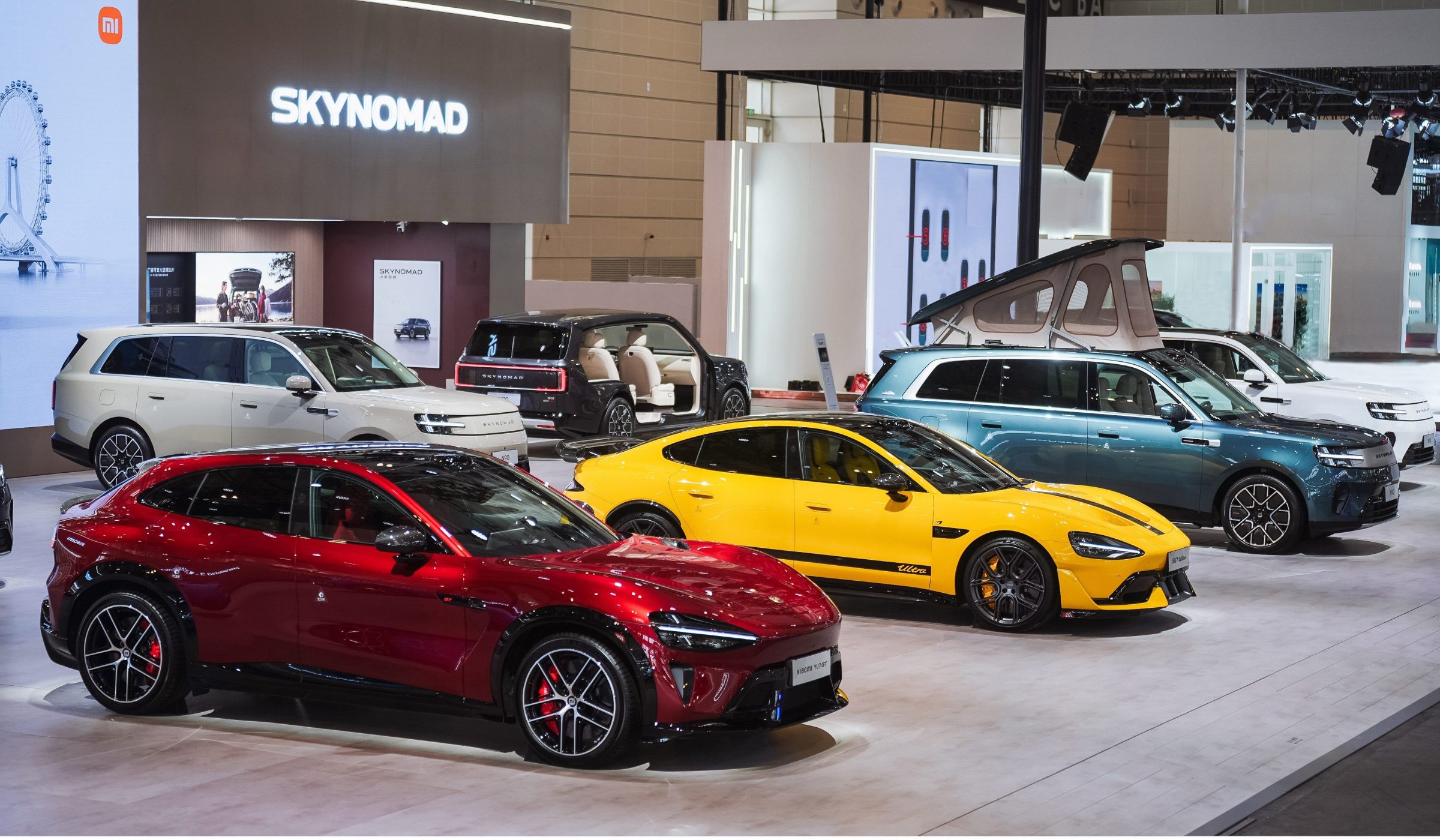
The newly launched SkyNomad series also made a strong contribution. The lineup entered its first full month of deliveries in October, with combined deliveries reaching 27,132 units. It accounted for approximately 54.1% of Xiaomi Auto’s monthly total, making it the main driver behind the company’s return to the 50,000-unit level.
The SkyNomad N70 delivered 14,545 units, ranking second in China’s midsize and large SUV segment, behind only Fangchengbao’s Ti 7. The N90 delivered 12,587 units, overtaking BYD DaTang to take the top spot in the full-size SUV segment.

Both SkyNomad models went on sale on September 7. The N90 claimed the top position in its premium SUV segment in just its second month on the market. Their sales performance highlights the appeal of Xiaomi’s extended-range SUVs and the speed of the company’s production ramp-up.
Notably, the SkyNomad lineup’s rapid growth has not come at the expense of Xiaomi’s pure-electric models. Both the SU7 and YU7 continued to deliver more than 10,000 units in October, suggesting that the new arrivals have yet to divert significant demand from the existing lineup.

Some automakers have seen sales of older models decline after launching new vehicles. Xiaomi, by contrast, appears to have established a clearer distinction between its product lines: its pure-electric models target younger buyers with an emphasis on technology and driving performance, while its extended-range SUVs focus on spacious family-friendly cabins and long-distance travel. The October figures also point to continued demand for its pure-electric lineup.
From January to October, Xiaomi Auto delivered a total of 336,613 vehicles, leaving a gap of approximately 213,400 units against its full-year target of 550,000. To meet that goal, the company would need to average around 106,700 deliveries per month over the final two months of the year.
ChinaEV Home expects Xiaomi Auto’s monthly deliveries to reach around 60,000 units as SkyNomad production continues to ramp up. The company is therefore unlikely to meet its 2026 target.

Xiaomi’s delivery performance remains notable against a broader downturn in China’s auto market. CPCA data show that nationwide passenger car retail sales totaled 14.978 million units from January to October, down 22.3% year on year.
Xiaomi Auto is also accelerating its overseas expansion to tap new sources of growth.
The company recently established an International Business Division and appointed Yu Liguo, vice president of Xiaomi’s automotive division, as its general manager. The move marks a shift from preliminary overseas planning to the establishment of a dedicated operating structure.
Xiaomi Auto plans to begin its global expansion in the second half of 2027, starting with Europe. It expects to enter right-hand-drive markets in the first half of 2028.
As Xiaomi gradually establishes overseas sales channels and service networks, international markets could become a key driver of its next phase of growth.
Discover more from ChinaEVHome
Subscribe to get the latest posts sent to your email.