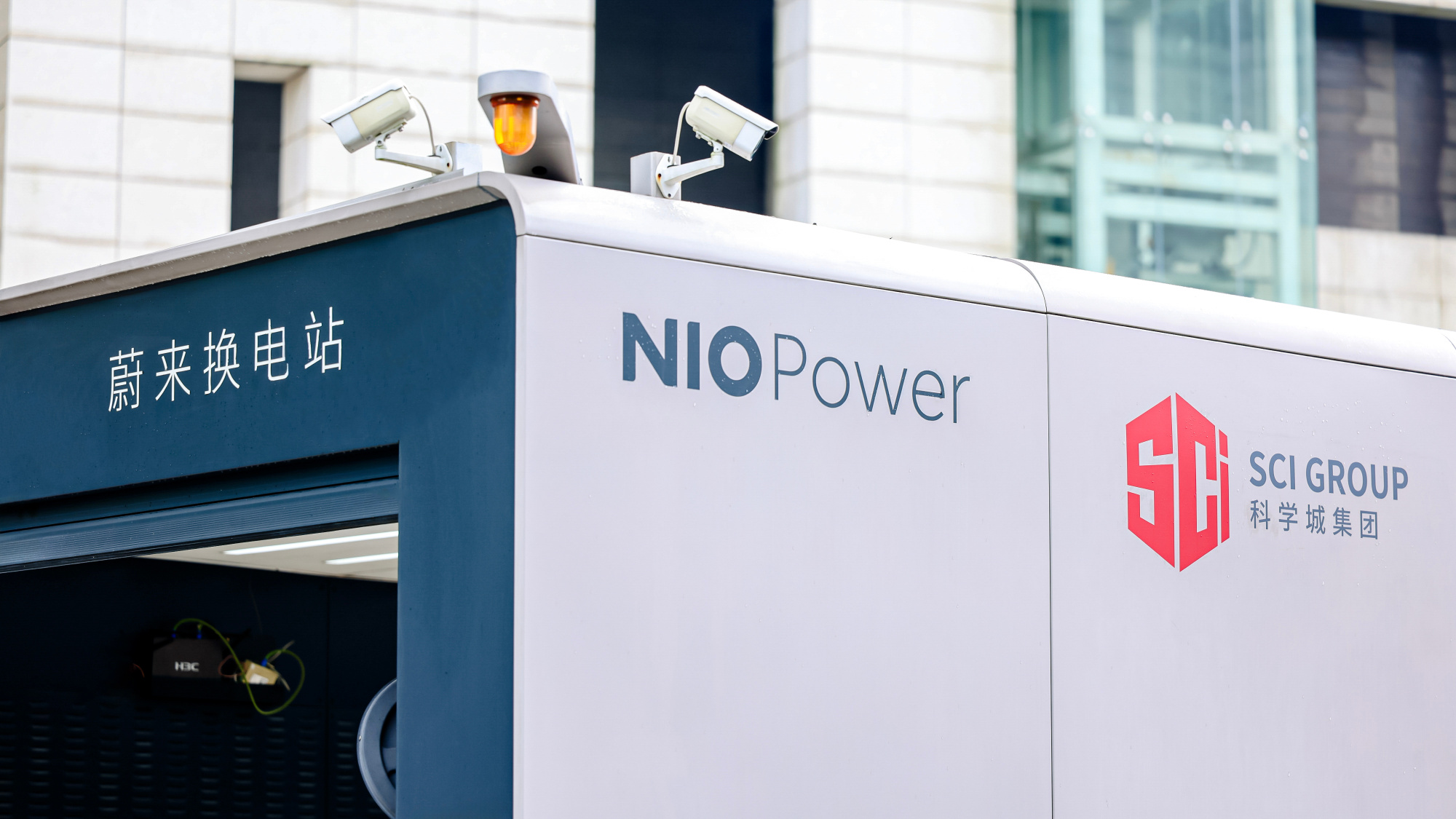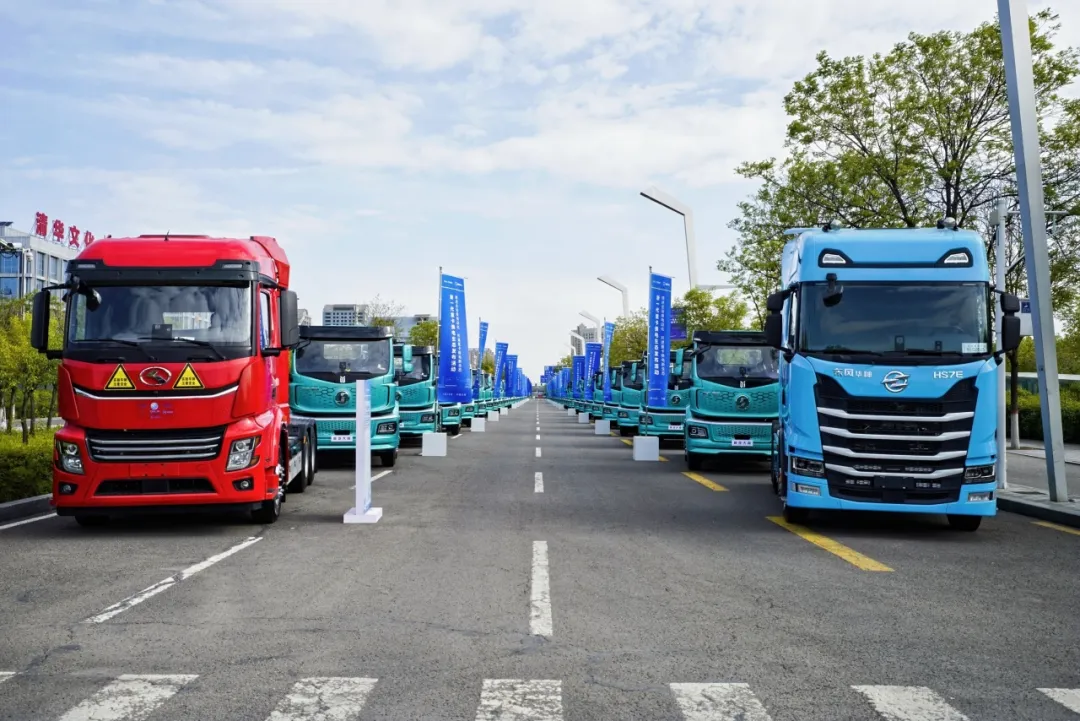
CATL recently launched a “75#” standardized battery swap module for heavy-duty trucks in Datong, Shanxi, further advancing its battery swap layout in the commercial vehicle sector.

This module emphasizes standardized design and supports flexible configuration of battery pack quantities to meet diverse operational needs. CATL has already partnered with multiple automakers to introduce over 30 chassis-based battery swap models, with the coverage continuously expanding.
In fact, CATL’s involvement in this field is not new. As early as June 2023, the company established “Qi Ji Battery Swap,” a dedicated division for heavy-duty truck battery swaps, to promote the construction of standardized swap stations. Existing stations can accommodate up to 24 battery packs and are compatible with 95% of the mainstream heavy-duty trucks on the market.

From an operational cost perspective, the battery swap solution offers significant economic advantages over traditional diesel and LNG (liquefied natural gas) models in long-haul transportation. Calculated based on an annual mileage of 100,000 kilometers, heavy-duty trucks can save between 0.2 and 0.62 yuan per kilometer, reducing annual costs by 20,000 to 60,000 yuan. Additionally, electricity prices are relatively stable, ensuring stronger long-term stability.
Robin Zeng, Chairman of CATL, stated at the event that due to emission regulations and logistics cost factors, the heavy-duty truck industry is expected to experience explosive growth in the next few years, with electrification rates likely to approach 50% within three years.

In the battery swap sector, CATL and NIO are among the few companies in China that have invested early and are actively promoting the technology. CATL has launched the “Chocolate Swap Block” (Choco-SEB) for passenger vehicles, which supports modular combinations and has a high degree of compatibility.
CATL has publicly stated that battery swapping, home slow charging, and public fast charging will become the main recharging methods for electric vehicles in the future, with each method expected to serve approximately one-third of users.
To this end, CATL is accelerating the layout of its infrastructure. It plans to build 300 battery swap stations in 13 key regions, including the Beijing-Tianjin-Hebei area, the Yangtze River Delta, and the Guangdong-Hong Kong-Macao Greater Bay Area by 2025, and to establish a nationwide battery swap network with an “eight-horizontal and ten-vertical” layout by 2030.
Discover more from ChinaEVHome
Subscribe to get the latest posts sent to your email.