According to media reports from “Automotive Pixels,” BMW, which had been actively promoting its electrification transformation, has now significantly reduced the future estimated sales volume of its pure electric vehicles (EVs) in the Chinese market, while simultaneously increasing the future estimated sales volume of some of its gasoline-powered vehicles. The adjustment in estimated volumes not only affects the currently available BMW and MINI brand EVs but also the BMW New Class electric vehicles set to be launched in 2026.

In the automotive industry, during the new vehicle project initiation phase, a full life cycle volume forecast is provided. Suppliers base their production planning, cost accounting, and quotations on this forecast. If the reduction is excessive, suppliers have the right to claim compensation. Now, the estimated volume reduction for some BMW and MINI electric vehicles exceeds 20%, which may lead to compensation claims from some parts suppliers for BMW China this year. Since 2024, BMW has begun to roll down its future volume forecasts, and supply chain companies have been mentally prepared for continued reductions. However, in the most recent round, from the second half of last year to the first quarter of this year, BMW’s volume reduction has been significantly larger than before.
Behind BMW’s reduction in electric vehicle volume forecasts is the significant gap between its electrification transformation goals and reality. Data shows that in 2024, BMW’s global pure electric vehicle sales were 427,000 units, accounting for about 17.4%; although the sales volume in the first quarter of this year increased by 32.4%, the proportion was still only about 18.4%, far from the target of 30% for pure electric vehicle sales by 2025.
From the second half of 2023 to the first half of 2024, the terminal discounts for BMW’s two main electric vehicles, the iX3 and i3, were as high as nearly 200,000 yuan, resulting in a situation where “selling one vehicle means a loss.” In the middle of 2024, BMW announced its “exit from the price war,” and after the price rebound, it encountered a decline in sales volume. Under these circumstances, BMW shifted the terminal discounts towards gasoline vehicles with lower costs to maintain the sales volume scale.

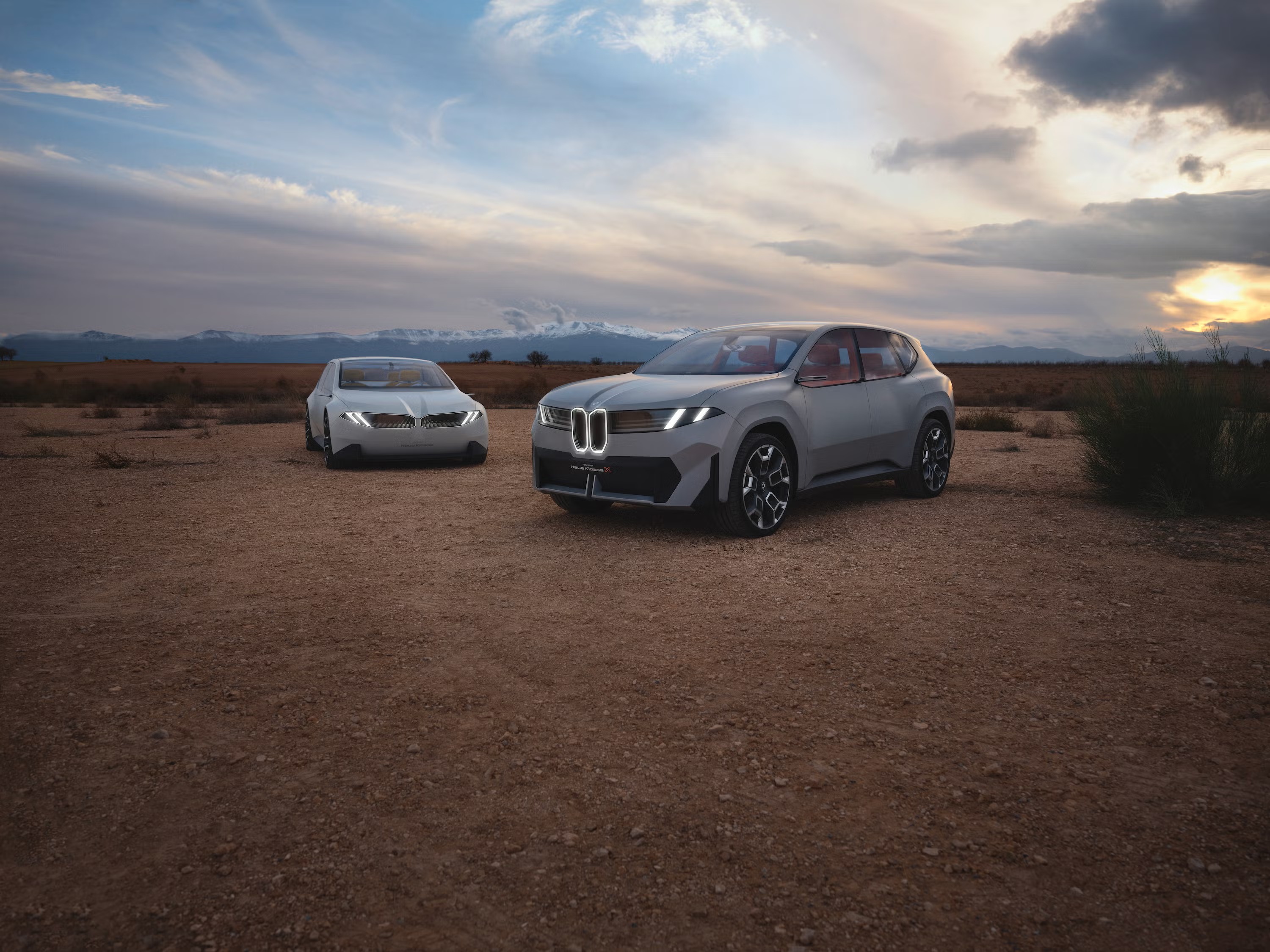
However, BMW has not given up on its electrification transformation. From the second half of this year to next year, BMW will reach a new milestone in its electric vehicle strategy with the launch of the New Class models. The “New Class” is of great significance to BMW as it does not represent a specific model but signifies the core technological architecture of the brand for the next decade. Within the next two years, six BMW New Class models will be launched successively.
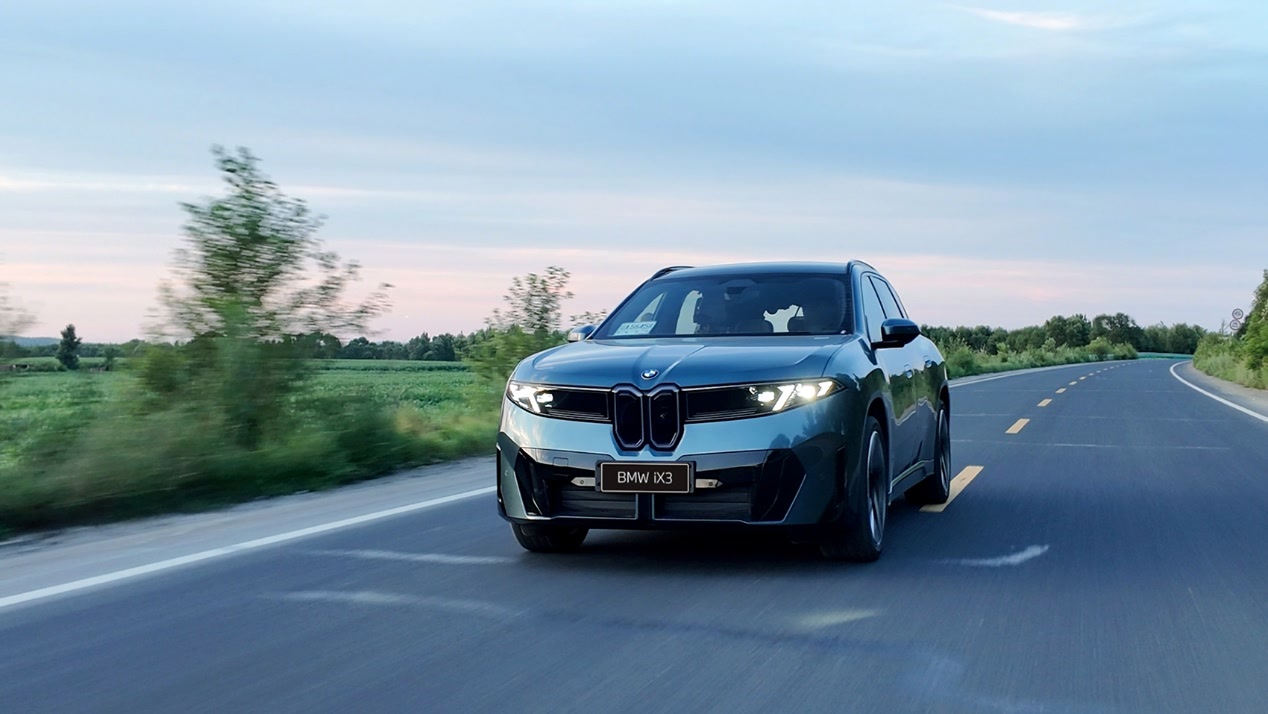
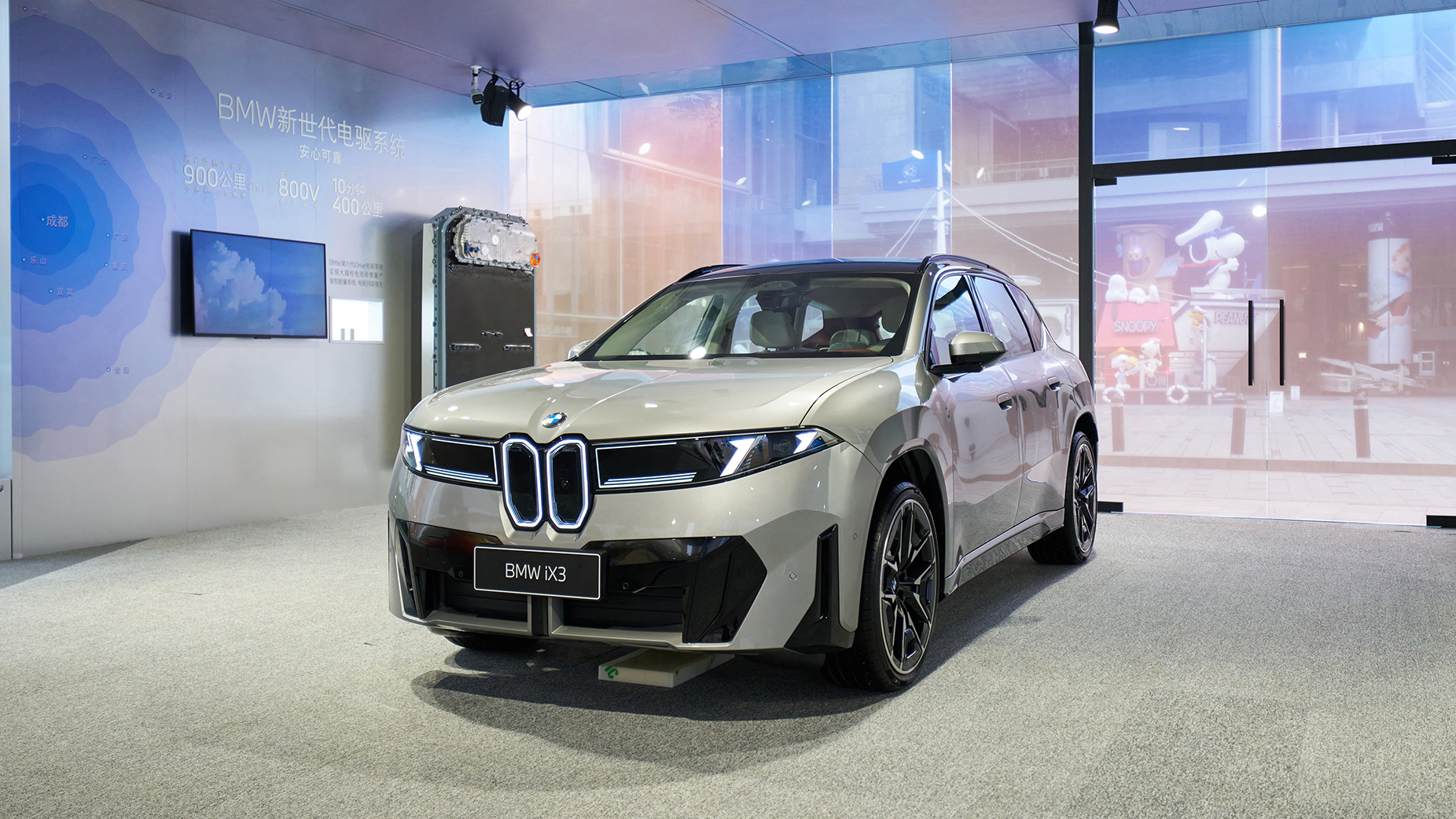
Among them, the iX3L model, specifically designed for the Chinese market, has attracted much attention. This model made its debut at the Shanghai Auto Show in April this year and is planned to go into mass production in 2026, with a completely new exterior and interior design. It is worth noting that in response to the Chinese market demand, BMW will also launch the long-wheelbase version of the iX3L, which will be produced in the BMW factory in Shenyang next year.

Discover more from ChinaEVHome
Subscribe to get the latest posts sent to your email.