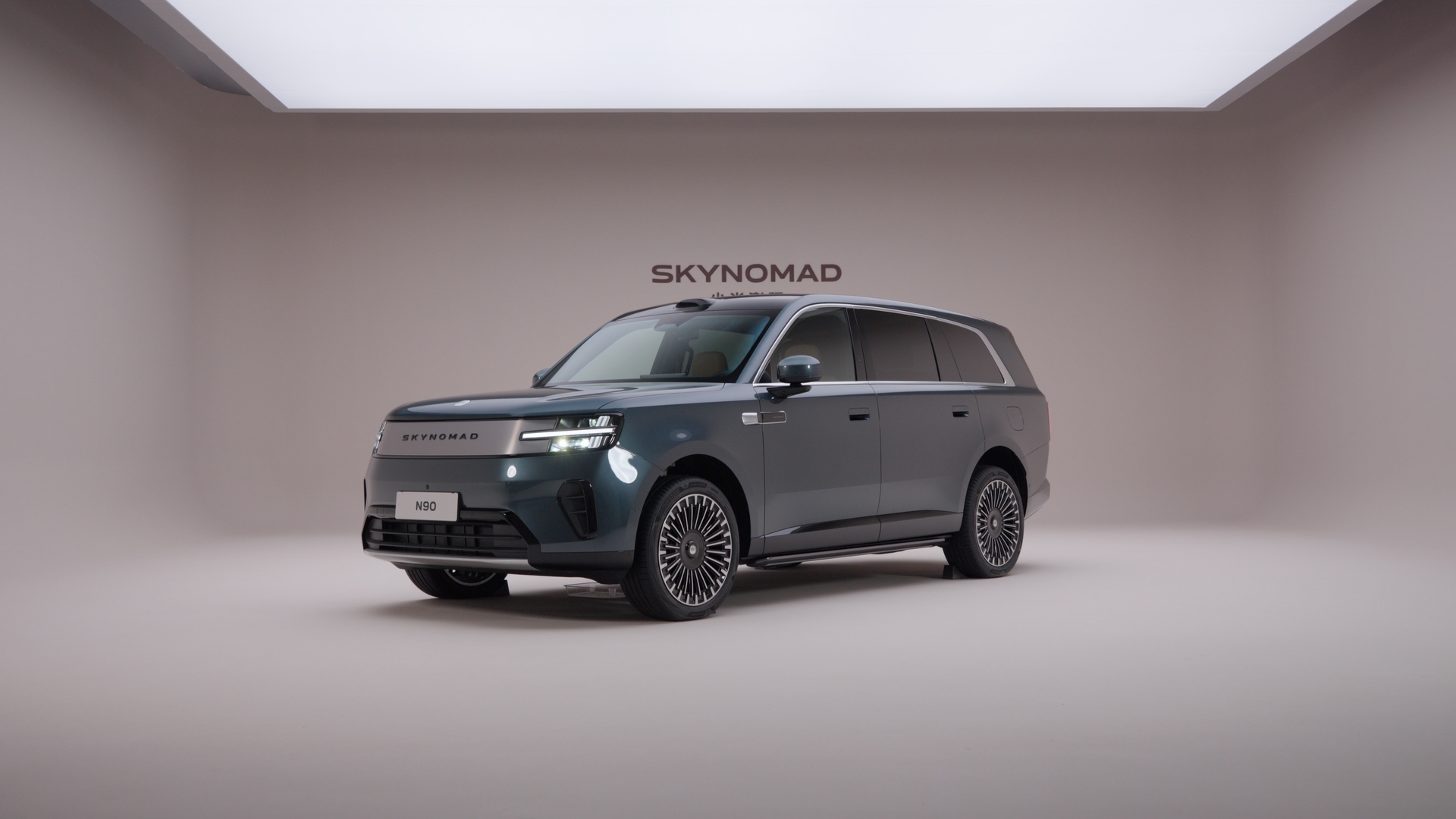
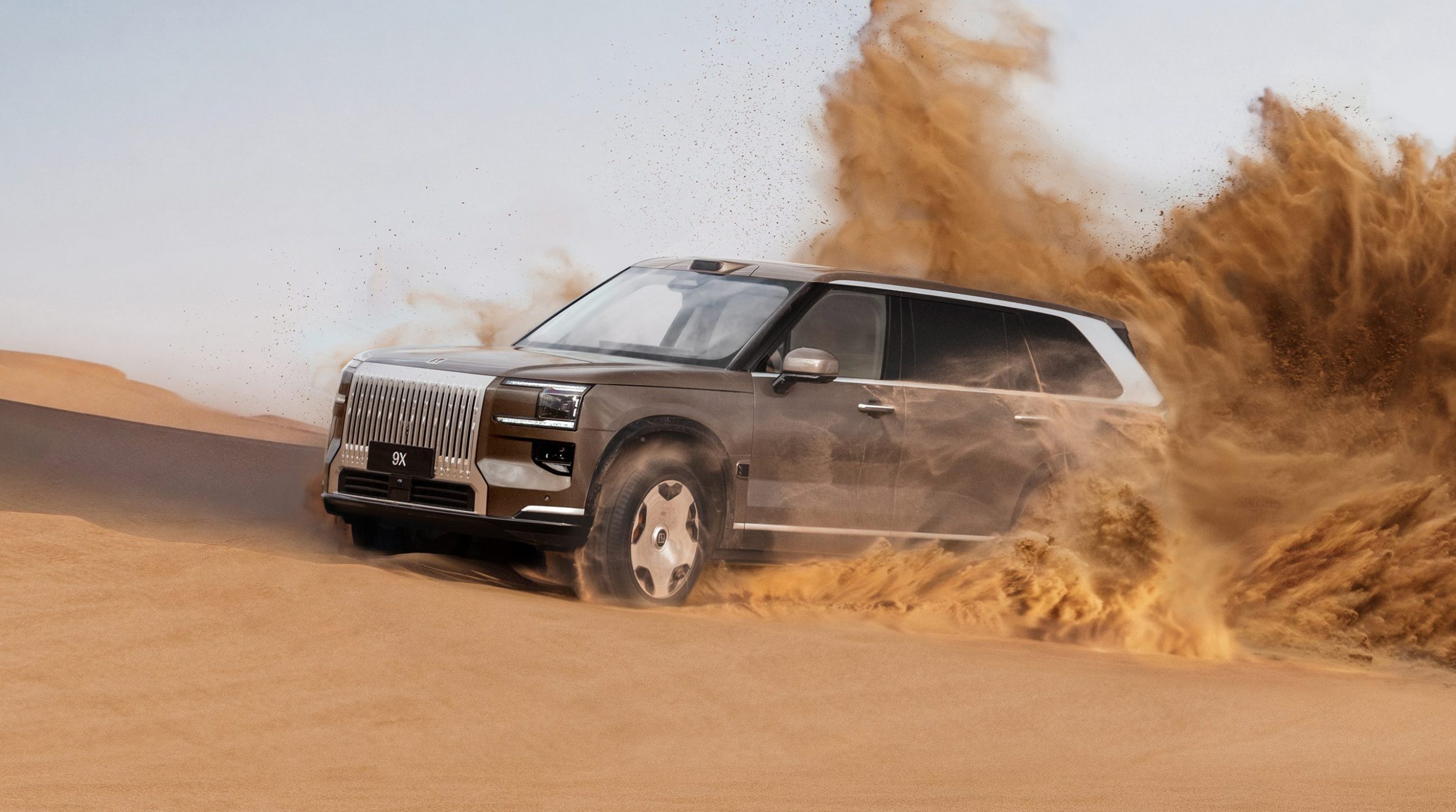
Zeekr 9X debuts Haohan-S SEA-S modular architecture, super hybrid system, smart chassis, and advanced autonomous tech, targeting ultra-luxury SUVs like Cullinan.
After nearly six months of buildup, Zeekr’s flagship model, the 9X, finally unveiled its secrets on July 9.
Through a technology launch event, Zeekr disclosed most of the core features of the 9X, partially answering why this model deserves the brand’s flagship title.
Following the event’s flow, Zeekr explained the 9X’s positioning mainly through the new “Haohan-S” SEA-S modular architecture.
Currently, the Haohan-S SEA-S modular architecture and Zeekr 9X are deeply integrated. Since a pure electric version of the 9X is also planned, this tech release only covered part of the full picture.

Interestingly, we noted that although this was also a tech-focused release, the Zeekr 9X lacked the luxurious conceptual packaging seen in the MAEXTRO S800’s launch.
The main reason? Zeekr focused on hard-core specs rather than storytelling concepts like the “Classic of Mountains and Seas” used for the MAEXTRO S800. Despite showcasing impressive tests like crosswinds and slalom runs alongside the Cullinan, the presentation felt more technical than emotional.
Let’s dive in and see whether Haohan-S and the 9X live up to expectations.
A More EV-Centric Hybrid System
Zeekr claims the Haohan-S SEA-S modular architecture is defined by four pillars: Super Electric Hybrid, Digital Chassis, Safety Armor, and Intelligent Assisted Driving. They directly criticized mainstream plug-in hybrids and range-extenders for sticking with 400V architectures and limited EV range.

In contrast, the Haohan-S Super Electric Hybrid boosts both the voltage platform and EV range. It adopts a full-stack 900V architecture and features a 70kWh 6C hybrid battery, delivering over 1000kW of power. CLTC pure electric range hits 380 km, claimed to be the longest of any hybrid SUV.

Zeekr aims to surpass rivals in both EV driving experience and performance.
Thanks to the pure EV platform, the 70kWh battery achieves a fast SoC in 9 minutes and 380 km pure electric range.
Performance-wise, the Zeekr 9X accelerates from 0 to 100 km/h in around 3 seconds across the lineup, with the tri-motor version (over 1000kW) doing it in just 3.1 seconds.
Supporting this is a 2.0T hybrid engine delivering 205 kW and over 46% thermal efficiency. Remarkably, fuel consumption is said to be lower than rivals using smaller 1.5T engines.

In terms of operation, the system prioritizes electric driving when charged, switching smartly between range-extender, direct drive, and dual-power modes as needed.

In short, the Haohan-S Super Electric Hybrid aims for the best balance between EV feel, range, and power.

A Chassis for Both Sport and Off-Road
On the chassis, Zeekr 9X combines high-end mechanicals with advanced smart controls.
Hardware includes closed dual-chamber air suspension, dual-valve CCD dampers, and a 48V active anti-roll bar—features Zeekr claims even the Cullinan lacks.
It also boasts 288mm ground clearance and 110mm suspension travel.

But beyond hardware, the AI-powered “Dinghai Intelligent Hub” unifies control of chassis, powertrain, and cabin using real-time road data and advanced algorithms.

This enables functions like stable slalom at 50 km/h, straight-line control at 120 km/h even with a blowout, and limited body drift (<20 cm) in strong crosswinds.

It also uses predictive road scanning to adjust suspension, giving the SUV all-terrain capability rivaling hardcore off-roaders.

Again, Zeekr insists on having it all: sporty driving and off-road adaptability.

G-Pilot H9 system: Beyond L3 Autonomy
On smart driving, Zeekr 9X will likely offer the G-Pilot H7 and H9 systems, with the launch focused on H9.
All models get dual Qualcomm 8295 chips, while select versions add dual Thor-U chips for over 1400 Tops of compute power.

The H9 version includes 43 smart driving sensors, with five LiDARs. Zeekr claims the 9X not only meets L3 autonomy standards but also lays the groundwork for future L4 upgrades.

The software side features the Smart AI Agent architecture, comprising two large cloud models: a multimodal base model and a world model. These train each other to improve accuracy rapidly.
Onboard, two redundant large models ensure safety—if the main model makes a wrong decision, the backup model instantly corrects it.

This makes the Zeekr 9X the brand’s most advanced smart vehicle to date.

While Zeekr has rarely been a leading name in smart driving discussions, the 9X aims to change that.
Whether this ambition translates to real-world success remains to be seen.
The Road-Going “Tankr”
Finally, in safety, Zeekr focused on passive protection.
The 9X’s body achieves 41,600 N·m/deg torsional rigidity, said to surpass rivals like the Cullinan and Range Rover.

However, in the broader EV market, this figure is less impressive—Li Auto MEGA hits 44,000 N·m/deg, and the NIO ES8 posts 39,900 N·m/deg.
The body comprises 91% high-strength steel and aluminum, with four integrated structural modules and a third energy-absorbing box, earning the nickname “Road Tankr.”

Active safety systems like AEB and AES were not detailed, suggesting future updates might reveal more.
Zeekr Wants It All
In summary, Zeekr’s approach to the 9X is clear: maximize both hardware and software.
Hardware-wise, it benchmarks against ultra-luxury SUVs like the Cullinan and Range Rover, combining the best features from many brands. On the software side, it aims for top-tier smart driving.
Few brands can deliver on such an all-encompassing vision, largely because of technical and cost constraints.
Whether the 9X succeeds depends on delivering this experience affordably.
There’s also the pure electric version and the rumored “Zeekr 9X Guanghui (Radiance)” still to come.
This tech launch was only the appetizer. The main course arrives at the Chengdu Motor Show in August when pricing is revealed.
What price range do you think the Zeekr 9X will land in?
Discover more from ChinaEVHome
Subscribe to get the latest posts sent to your email.