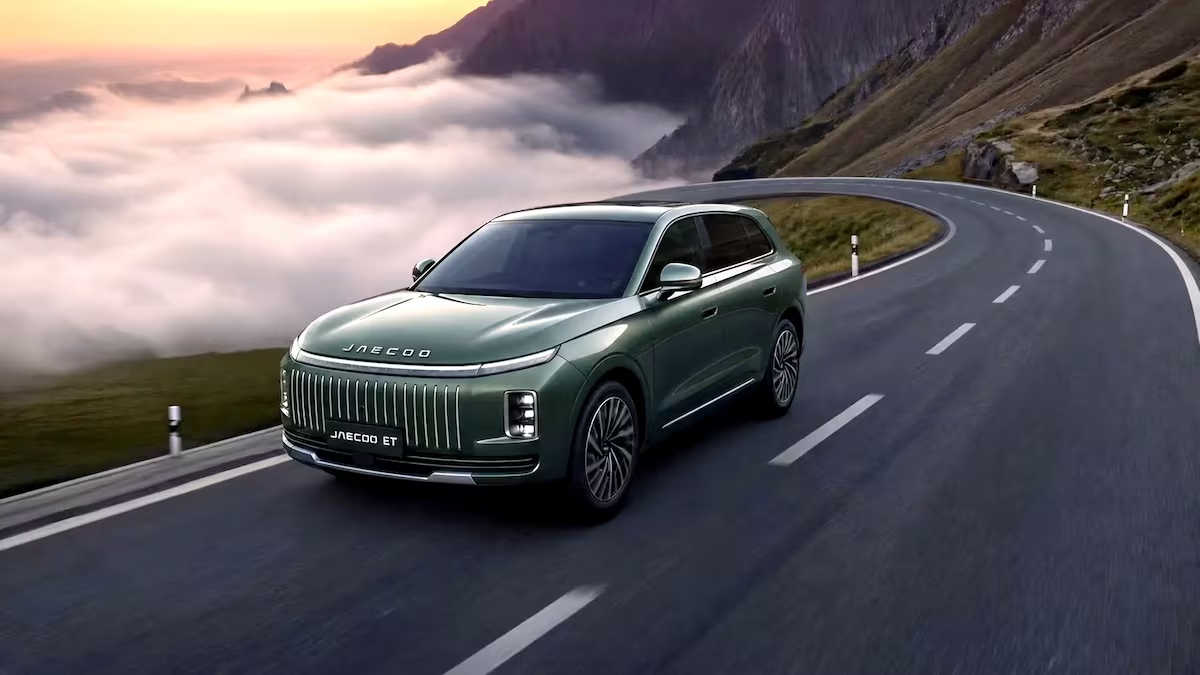
- Zhuoyu Technology has established strategic partnerships with leading automakers including BYD, SAIC, and BAIC.
- Its autonomous driving platform has already been implemented in over 20 mass-produced vehicle models, with more than 30 additional models in the pipeline.
On July 18, further reports emerged confirming that China’s FAW Group is planning a strategic investment in Zhuoyu Technology (formerly DJI Automotive), signaling deepening interest in the autonomous driving sector. According to LatePost, the two parties are currently advancing a deal involving more than RMB 6 billion (approximately $800 million), which would push Zhuoyu’s post-investment valuation above RMB 10 billion ($1.39 billion).
Sources familiar with the matter revealed that the funding round is not led solely by FAW. A number of other automotive industry players—reportedly including BYD, SAIC, and BAIC—are also participating. Zhuoyu has previously named Volkswagen, Chery, Dongfeng, Great Wall Motor, and Audi among its automotive clients.

Talks between FAW and Zhuoyu have been ongoing since early 2024, during which various investment structures, including potential controlling stakes, were explored. If the deal proceeds, Zhuoyu is expected to retain operational and managerial independence. Neither a takeover nor financial consolidation is currently planned, with FAW and DJI poised to become joint major shareholders.
Zhuoyu’s trajectory exemplifies the new wave of Chinese autonomous driving ventures. Initially incubated by drone giant DJI, the company focused on delivering low-cost binocular vision solutions, enabling L2-level driver assistance in vehicles priced around RMB 100,000 ($13,900). Since then, Zhuoyu has expanded its offerings across a range of computing power needs, introducing its “JIMU” system that integrates LiDAR, and high-end platforms compatible with NVIDIA’s Thor and Qualcomm’s SA8775P chips.
In April, the company unveiled its VLA large-model solution based on NVIDIA’s Thor platform. It joins a growing list of players—such as Li Auto, DeepRoute.ai, XPeng, and Xiaomi—who are entering the next phase of competition around large-model intelligent driving systems.

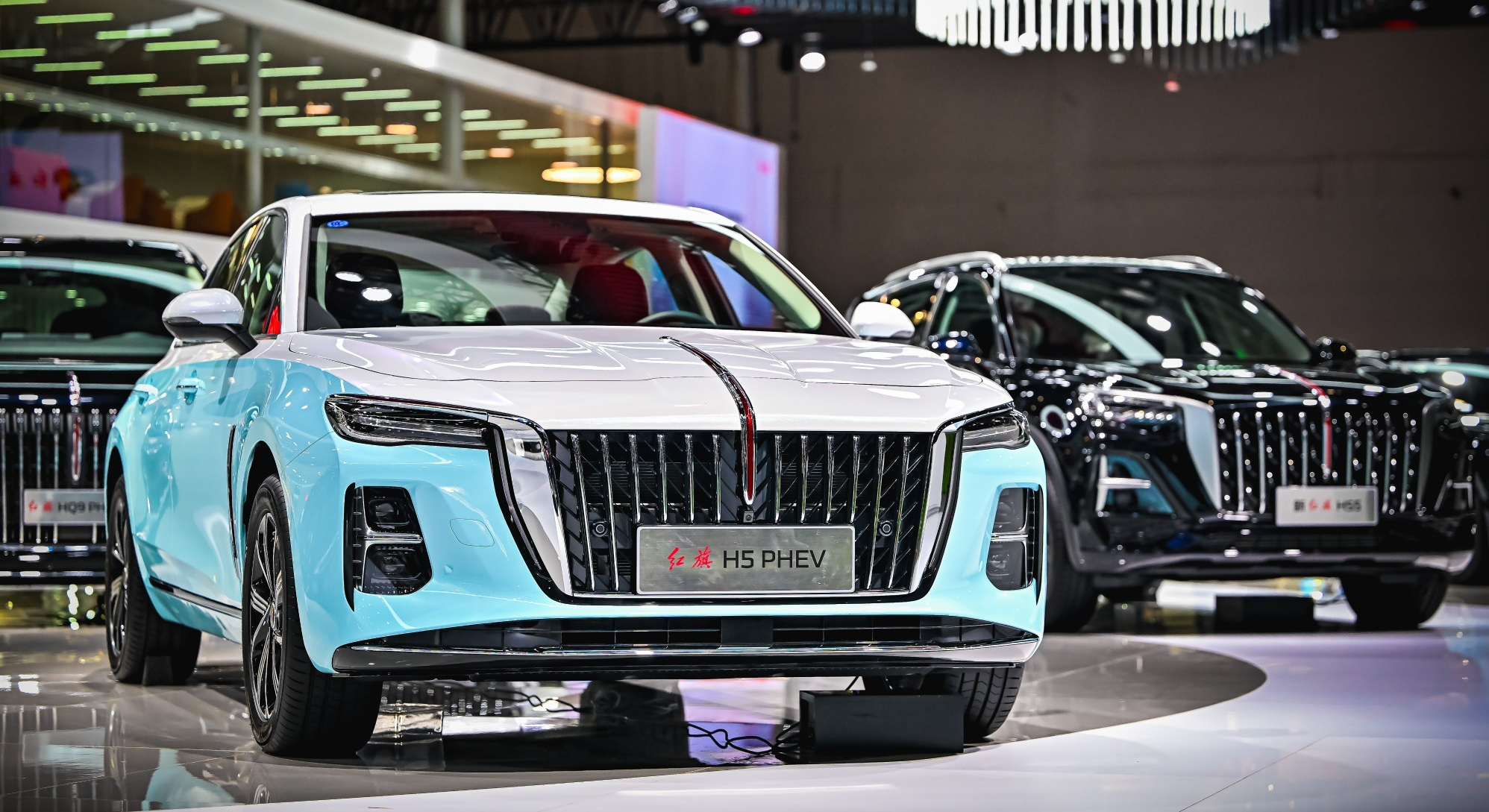
Zhuoyu’s systems now underpin more than 20 mass-production models, including the Dongfeng Nano 06, Haval Xiaolong Max, and FAW Hongqi EH7. An additional 30+ models are in the pipeline. As one of the few suppliers capable of delivering stable assisted driving systems in entry-level vehicles, Zhuoyu is evolving from a technology provider into a full-stack solution partner.

For FAW, this strategic move signals a significant escalation in its intelligent driving ambitions. In contrast to the self-developed intelligent driving systems pursued by players like Huawei-backed brands, NIO, or XPeng, FAW appears to be betting on deep collaboration with third-party tech firms to ensure greater flexibility for future smart vehicle development.
Nevertheless, the market remains curious: given DJI’s existing shareholder status and FAW’s decision not to seek control, is the investment aimed at technological synergy, supply chain integration, or simply strategic reserves of emerging technologies? From a broader industry perspective, such “non-controlling” strategic investments are becoming more common, reflecting a more cautious and adaptive approach by traditional automakers navigating the era of intelligent mobility.
Discover more from ChinaEVHome
Subscribe to get the latest posts sent to your email.