MIIT plans to ban resale of new cars within six months of registration to curb the “zero-mileage used car” loophole, aiming to regulate the market and protect consumers.
In May this year, Great Wall Motors CEO Wei Jianjun exposed an industry secret during an interview, bringing to light the covert practice of “zero-mileage used cars.”
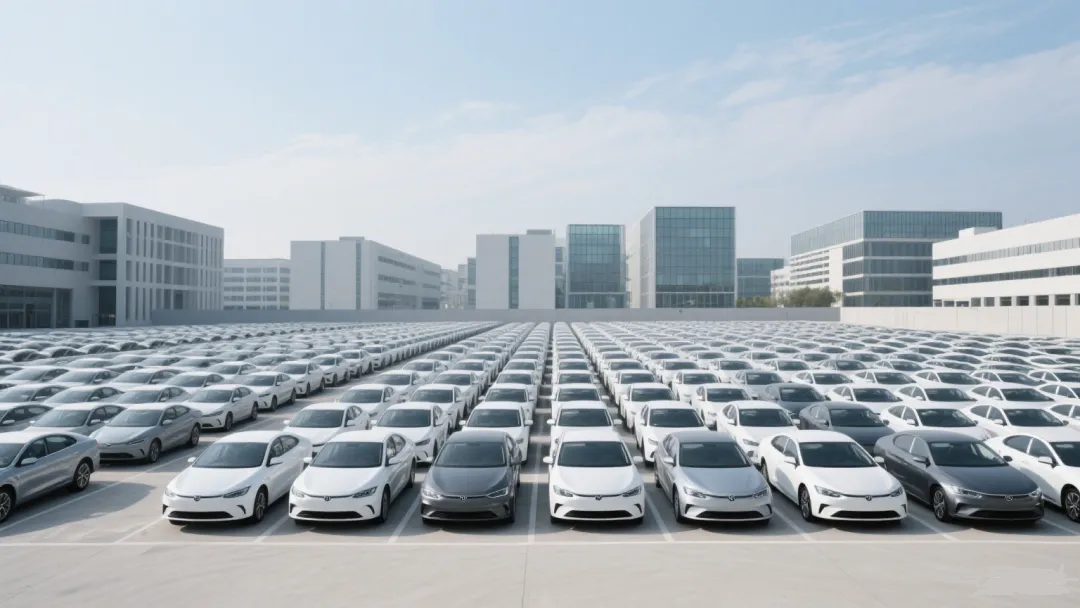
The term “zero-mileage used cars” refers to nearly new vehicles with extremely low mileage (sometimes literally zero), sold on used car platforms at second-hand prices.
By late July, the controversy around “zero-mileage used cars” flared up again—Reuters reported that Nezha Automotive exploited this loophole overseas to fabricate sales figures, with alleged volumes reaching as high as 60,000 units.

This report thrust the issue back into the spotlight. Coincidentally, on July 20, Chinese media revealed that the Ministry of Industry and Information Technology (MIIT) plans to enforce a policy banning the resale of new cars as used cars within six months of initial registration, aiming to curb this practice at its source.

It’s clear that tackling the “zero-mileage used car” malpractice has become a shared industry concern. But can the MIIT’s new rules truly eradicate it? The answer is more complex.
What Exactly Are “Zero-Mileage Used Cars”?
“Zero-mileage used cars” are not traditional used vehicles but brand-new cars artificially resold at used car prices.
Used cars typically sell for significantly less than new ones, so selling a brand-new car as a used one naturally cuts into profits.
Why would manufacturers or dealers engage in such a seemingly irrational practice? Several reasons explain this:
Boosting Sales Figures: For manufacturers and dealers, inflating sales numbers has tangible benefits. For automakers, this tactic turns stagnant inventory into “sold” vehicles, improving reported sales and enhancing financial statements.

Moreover, sales volumes are linked to local government subsidies for new energy vehicles (NEVs); higher sales can trigger greater subsidies. Dealers can exploit this by repeatedly claiming government incentives—sometimes even receiving duplicate payouts.
Inventory Clearance and Rebates: Dealers can reduce excess inventory while securing rebates from manufacturers.
According to Dahe Daily, an employee from a Zhengzhou 4S dealership revealed that selling “zero-mileage used cars” cuts profit margins by about RMB 5,000 ($700) per vehicle but helps hit sales targets that unlock rebates exceeding RMB 100,000 ($14,000) from the factory. The employee summarized, “It’s like spending small money to make big money.”
Export Benefits: Exporting new cars disguised as used cars helps dodge tariffs, maximizing profits. Reports indicate that overseas markets bear the brunt of “zero-mileage used car” practices.
Wei Jianjun acknowledged this has been a long-standing phenomenon, with insiders suggesting it has persisted for over eight years.
Targeted Measures?
Contrary to the heated online debates, most OEMs have remained silent or non-committal on the “zero-mileage used car” issue—Wei Jianjun stands out as a rare executive speaking publicly.
Among brands, only Zeekr has addressed rumors directly.
After China Securities Journal exposed complaints regarding alleged “zero-mileage used cars” sold by some Zeekr stores, Zeekr responded on July 20, clarifying that they did sell “display vehicles” at discounted “one-price” offers but these were not “zero-mileage used cars.”

Zeekr explained that display vehicles typically have a 3–5 month inventory age and come with insurance for safety, but are not registered with vehicle authorities, meaning buyers still retain full ownership rights.
Zeekr also pledged to form a special investigation team to verify the reported cases.
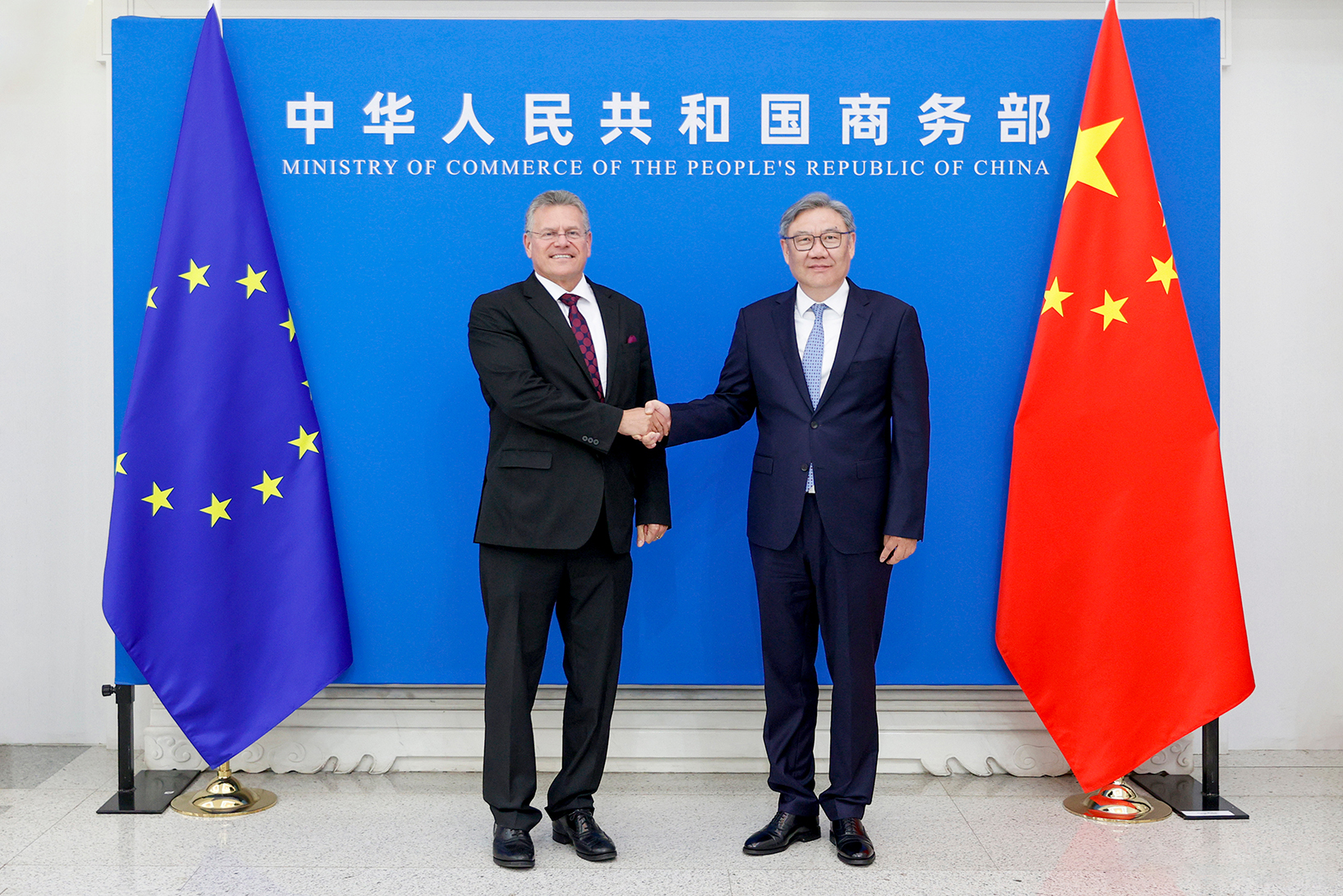
To stamp out the “zero-mileage used car” culture, the Ministry of Commerce and MIIT have joined forces.
At May’s end, the Ministry of Commerce convened closed-door talks with automakers, demanding stricter full-process supervision and the establishment of a credit evaluation system to crack down on the practice.
MIIT’s upcoming policy, banning resale within six months post-registration, represents an even stronger measure against this malpractice.
However, some netizens suggest dealers might circumvent rules via “rental agreements,” requiring used car buyers to wait six months before transferring ownership, thereby maintaining the “rule’s” operations.
Furthermore, the policy needs further refinement to avoid complicating normal car transactions or harming used car liquidity.
Addressing Root Causes
At its core, “zero-mileage used cars” are a byproduct of industry evolution, driven by deeper systemic issues. Adjusting used car policies can limit the phenomenon, but the more critical step lies in fostering healthy market competition.
For example, the prevalence of “zero-mileage used cars” in dealerships largely stems from unreasonable rebate policies. Currently, many automakers use “inventory pressure” tactics to coerce dealers into stocking large quantities, passing inventory and sales targets downstream.
Faced with dual pressures, dealers resort to such tactics to secure year-end rebates from manufacturers.
If non-direct sales brands could abolish “inventory pressure” sales quotas, better manage inventory and production, and optimize rebate structures, the occurrence of “zero-mileage used cars” would likely decline significantly.
Similarly, subsidy qualification criteria and sales reporting methods also warrant optimization.
Viewed positively, any industry’s healthy growth involves a cycle of “problem identification and resolution.” The exposure of “zero-mileage used cars” will ultimately push the market toward greater standardization.
Such “unwritten rules” are merely market “noise” in the bigger picture and do not fundamentally alter competitive dynamics.
This is illustrated by the fact that Nezha had already faded from the market before the Reuters report named it.
A truly robust market position can only be earned through solid core technologies. If a manufacturer must rely on “zero-mileage used cars” to prop up sales, it likely signals an impending crisis in its operations.
Discover more from ChinaEVHome
Subscribe to get the latest posts sent to your email.