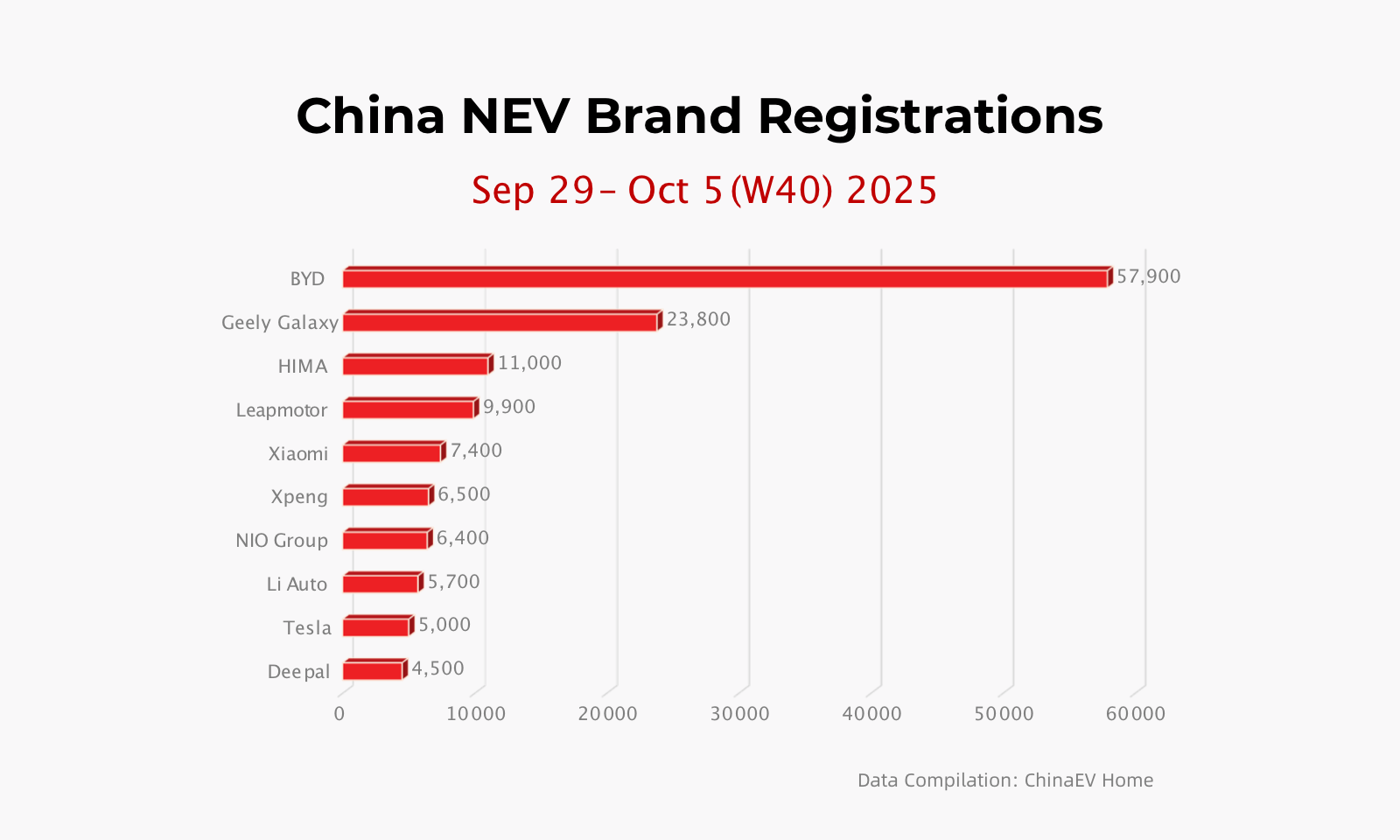
the Week 40 sales of all automakers were affected by the holiday, showing a general month-on-month decline.
The sales rankings for Week 40 of 2025 in China’s new energy vehicle market have been released.
The data collection period for this report was from September 29th to October 5th, which coincided with China’s National Day holiday. Affected by the holiday and the suspension of operations at vehicle management offices, all automakers experienced short-term impacts, leading to a significant overall slump in sales.
 ChinaEVHome
BYD’s sales for Week 40 were 57,900 units, a decrease of 37.24% compared to the 92,400 units sold the previous week. Despite this, it still firmly held the top spot in China’s new energy vehicle weekly sales rankings. The sales decline may be related to concentrated pre-holiday deliveries and schedule adjustments.
Looking at the BYD Group’s overall market performance in September, sales reached 396,270 units. Although this represents a year-on-year decrease of 5.52%, it achieved a month-on-month increase of 6.06%, indicating that its market fundamentals remain stable.
ChinaEVHome
Leapmotor’s sales this week were 9,900 units, a decrease of 38.44% compared to the 16,000 units sold the previous week. Nevertheless, it remained the top-selling startup automaker for the week.
It is worth mentioning that on October 9th, the first working day after the National Day holiday, Leapmotor’s CEO Zhu Jiangming shared internal data on his social media: from October 1st to October 8th, net new firm orders exceeded 25,000 units, a year-on-year increase of 62%, indicating stable production and sales.
In September, Leapmotor’s total deliveries reached 66,657 units, breaking the 60,000-unit milestone for the first time, a significant year-on-year increase of 97.4%. This marks the fifth consecutive month of record-breaking deliveries, demonstrating the notable effectiveness of its dual-strategy focusing on both pure electric and range-extended vehicles.
ChinaEVHome
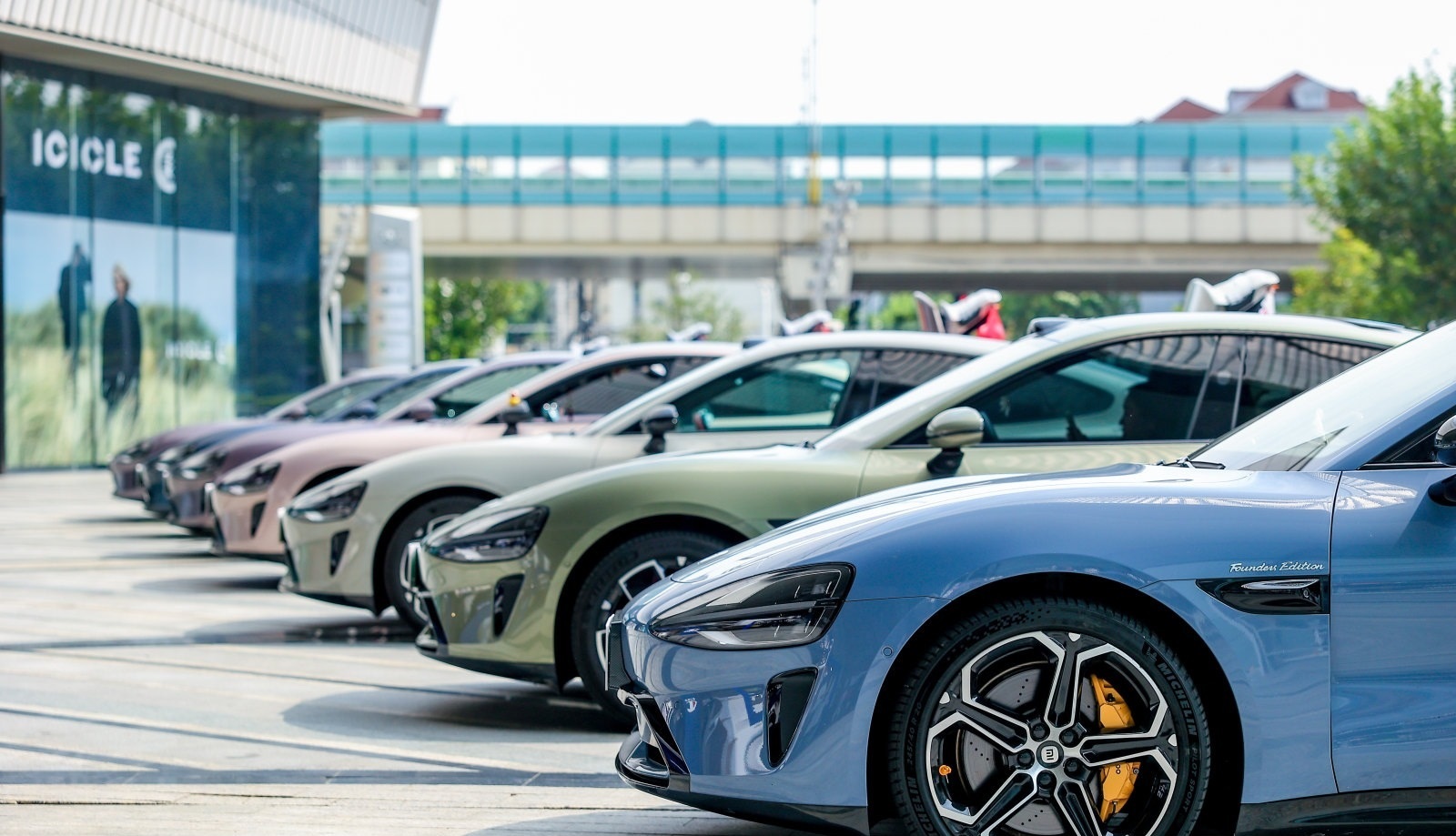
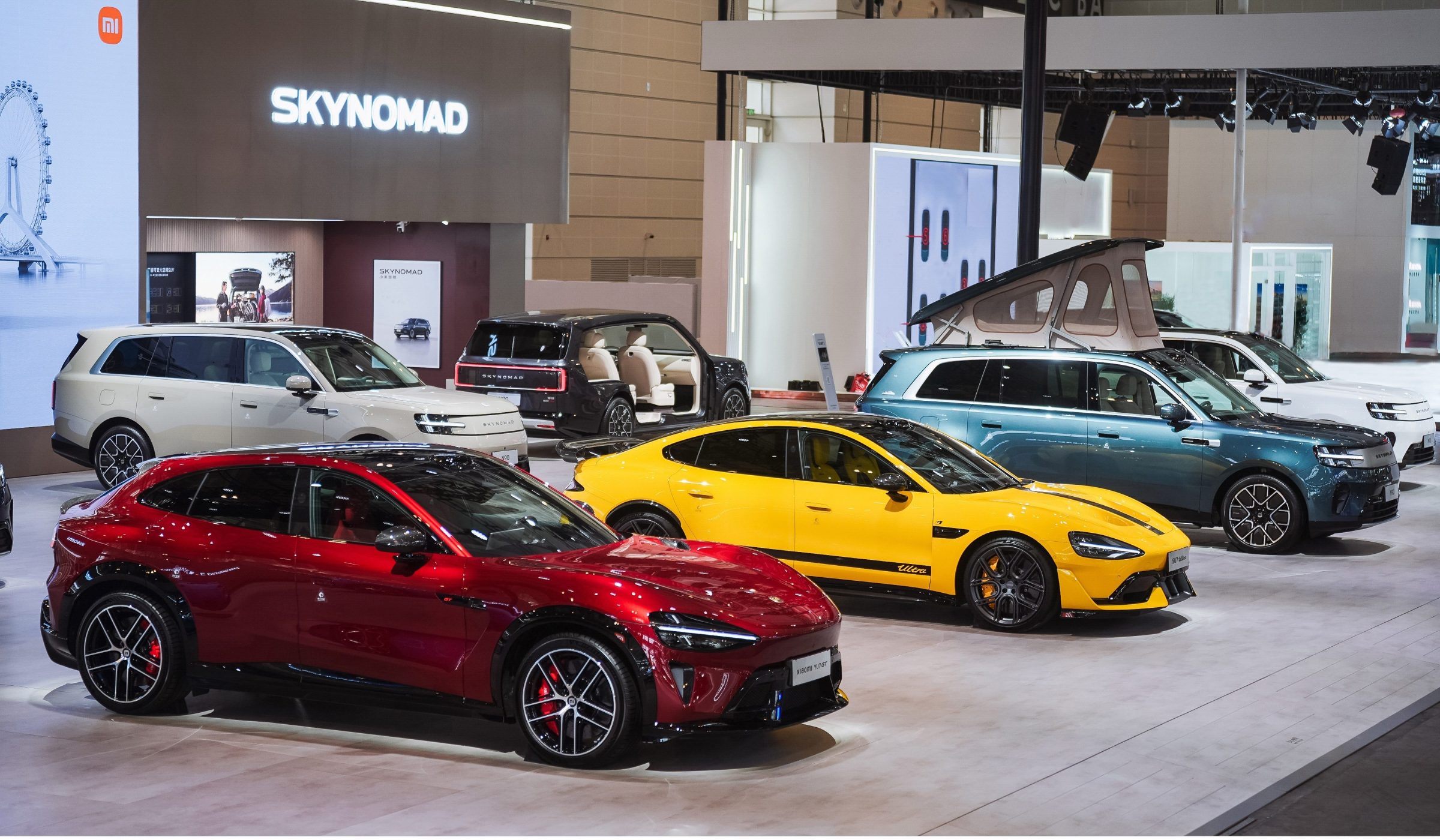
Xiaomi Auto’s weekly sales were 7,400 units, a decrease of 33.09% compared to the previous week. Specifically, the Xiaomi YU7 contributed 4,620 units, while the Xiaomi SU7 contributed 2,740 units.
September also marked the first time Xiaomi Auto’s monthly sales exceeded 40,000 units, with a year-on-year increase of 209.37%. Despite having ample orders, the current vehicle delivery wait time remains as long as 40 weeks, indicating that production capacity bottlenecks are currently the biggest challenge for Xiaomi Auto.
ChinaEVHome
XPeng’s sales this week were 6,500 units, a decrease of 37.88% compared to the previous week.
Despite this, XPeng’s September deliveries reached 41,581 units, a year-on-year increase of 94.74%, setting a new historical record for the third consecutive month. Among these, the XPeng MONA M03 delivered over 10,000 units in a single month, remaining the main sales driver for XPeng.
ChinaEVHome
NIO Group, with the coordinated effort of its multiple brands, achieved weekly sales of 6,400 units this week, a decrease of 40.7% compared to the previous week. Specifically, the NIO brand contributed 2,100 units, the ONVO brand contributed 3,300 units, and the Firefly brand contributed 1,000 units.
It is noteworthy that while sales for most brands were nearly halved due to the holiday impact, ONVO’s sales were only 500 units lower than the previous week, showing stable market performance.
Additionally, in September, NIO Group delivered 34,749 vehicles, a year-on-year increase of 64%, setting a new historical record. The ONVO brand contributed 15,246 units, accounting for over 44% of the total, indicating the initial success of its multi-brand strategy.
ChinaEVHome
Li Auto’s sales this week were 5,700 units, a decrease of 33.72% compared to the previous week.
A automotive blogger revealed that Li Auto received over 23,000 new orders during the statistical period, with the newly launched Li i6 attracting significant attention.
According to Li Xin Yang, product line manager at Li Auto, as of the evening of September 30th, the entire 2025 production capacity for the Li i6 had been sold out. The current estimated delivery time for users with firm orders is 13 to 16 weeks. This means users will receive their vehicles by the third week of January 2026 at the latest.
In September, Li Auto delivered 33,951 vehicles, a year-on-year decrease of 36.8%, marking the fourth consecutive month of year-on-year decline.
ChinaEVHome
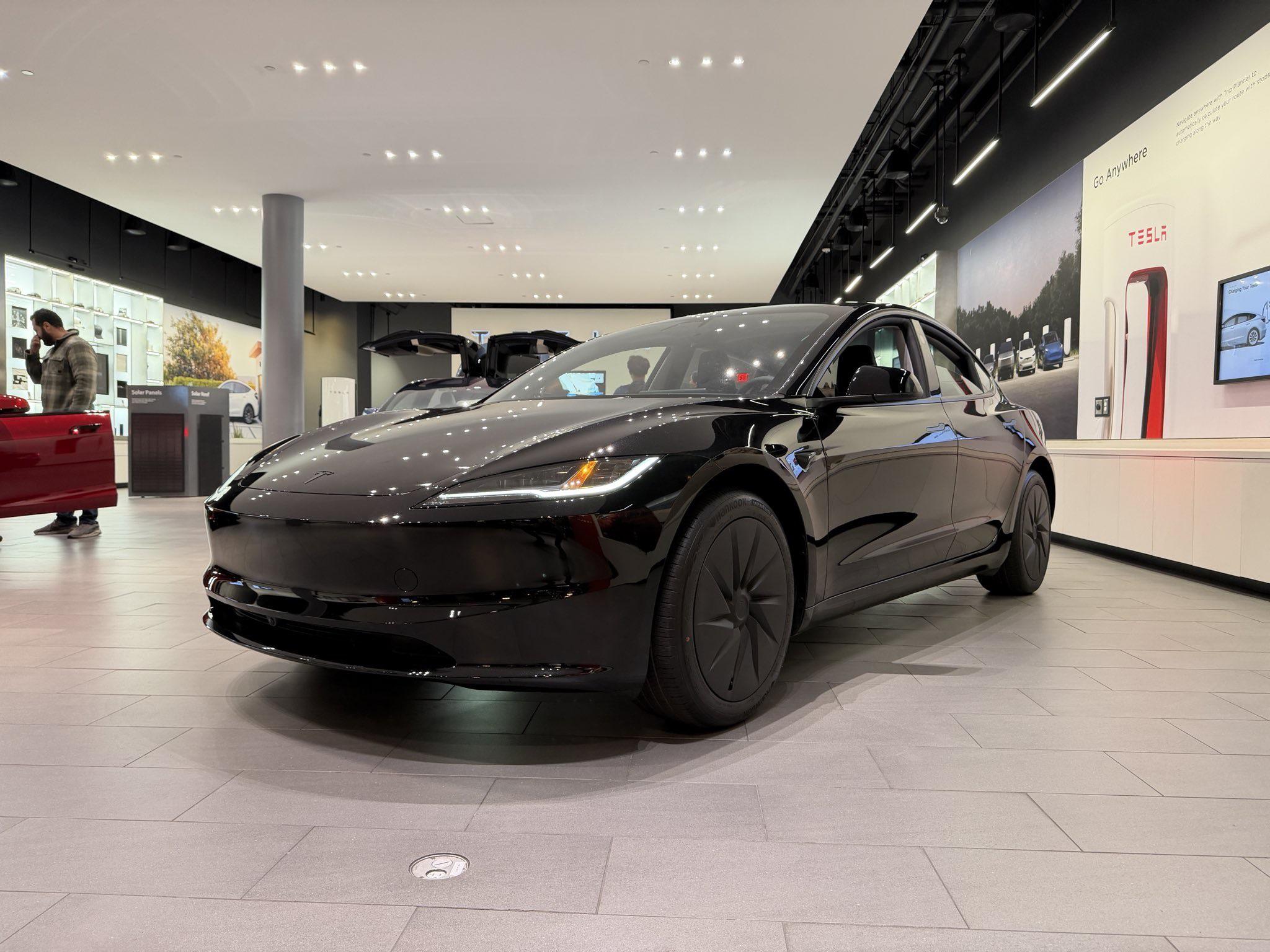
Tesla’s sales in the Chinese market this week were 5,000 units, a sharp decrease of 73.99% compared to the previous week, making it one of the automakers with the largest decline this week.
The Model Y L began deliveries in early September but has not yet achieved economies of scale.
It should be added that the overall sales figures for Harmony Intelligent Driving Alliance this week have not been fully disclosed. Currently known figures are: AITO weekly sales were 6,700 units; MAEXTRO weekly sales were 400 units; STELATO weekly sales were 500 units.
Overall, the Week 40 sales of all automakers were affected by the holiday, showing a general month-on-month decline. With production capacity ramping up and order conversions progressing in the fourth quarter, China’s new energy vehicle market is expected to usher in a new wave of growth peaks as the year concludes.
Discover more from ChinaEVHome
Subscribe to get the latest posts sent to your email.