The adjustment is primarily aimed at accelerating vehicle deliveries while ensuring that customers remain eligible for the national NEV purchase tax incentives.
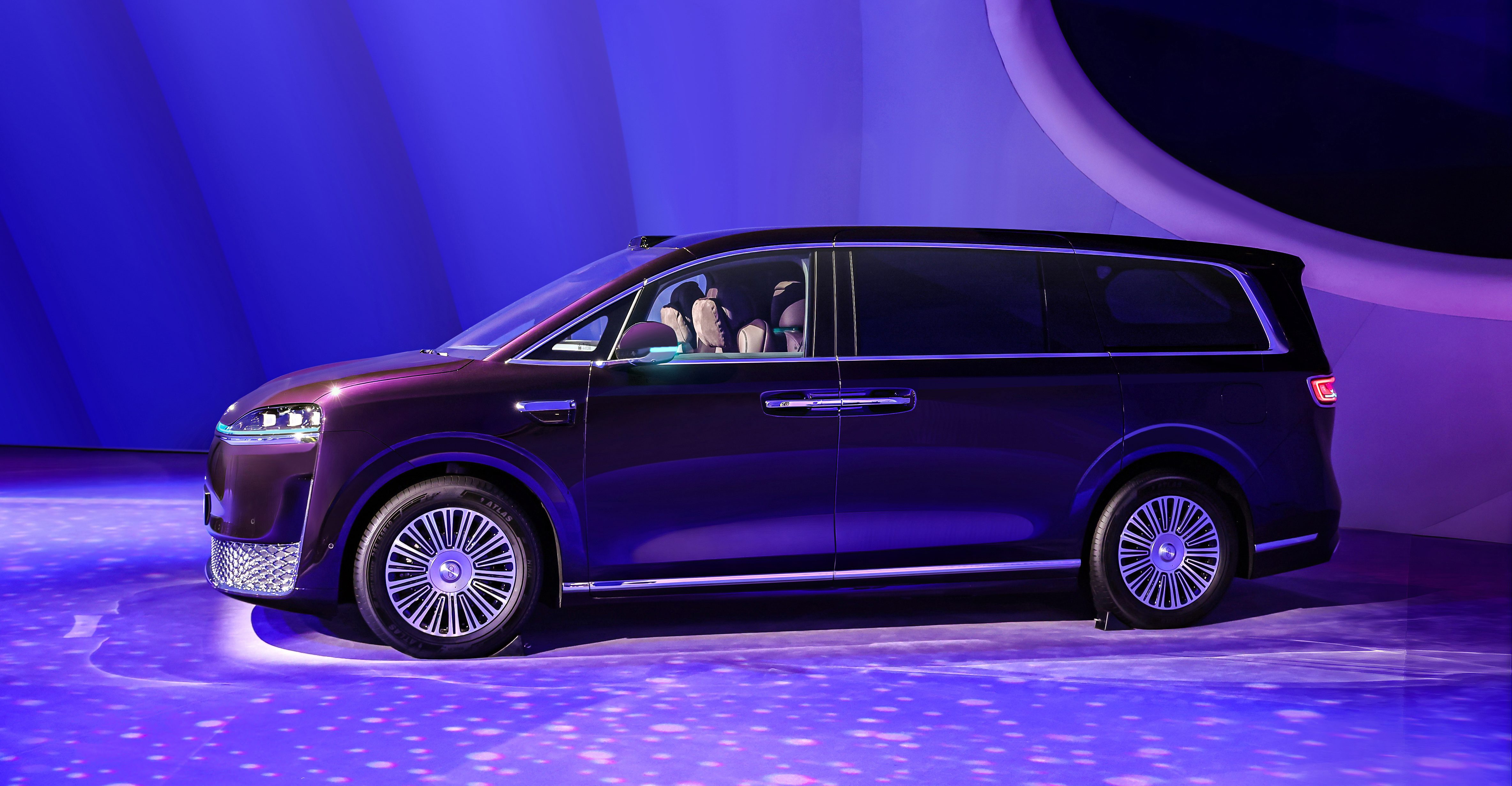
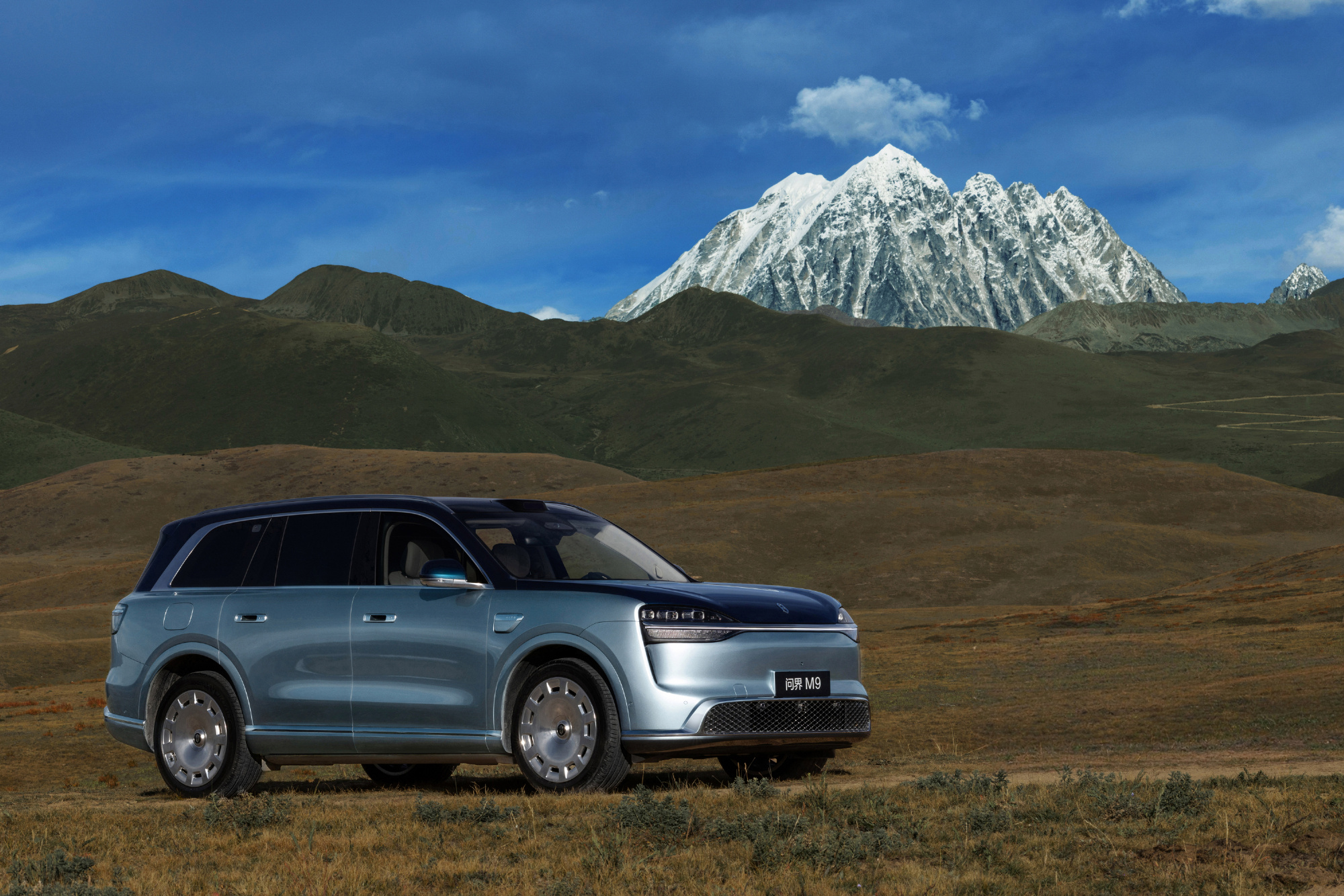
On October 17, according to Chinese media outlets, Huawei-backed Harmony Intelligent Mobility Alliance (HIMA) revealed that some Luxeed models will temporarily use CATL 82 kWh battery cells due to limited production capacity of CALB.
These batteries combine ternary lithium-ion and lithium iron manganese phosphate chemistries, replacing the previously installed CALB cells of the same specifications.

HIMA stated that both battery types meet Huawei’s “Whale” battery platform standards in performance, lifespan, and functionality, with warranty policies remaining unchanged.
Insiders said the adjustment aims to accelerate vehicle deliveries while ensuring customers remain eligible for national new energy vehicle (NEV) purchase tax incentives—RMB 30,000 ($4,218) this year and RMB 15,000 ($2,109) next year.
They also noted that CATL cells carry a higher cost than CALB cells, but vehicle prices will remain unchanged.
On the same day, Luxeed responded that this batch of CATL batteries will only be used for vehicles delivered in October and November.
Subsequent deliveries will revert to using CALB’s ternary lithium batteries, and vehicle owners will be clearly informed of the battery brand prior to delivery.

Battery mixing is not uncommon in the NEV sector. CATL has previously introduced its pioneering “AB Battery System Solution,” which integrates two different cell types within a single battery pack, such as lithium iron phosphate plus ternary lithium, or lithium plus sodium batteries.
As early as 2021, NIO adopted a mixed-cell approach in its 75 kWh ternary lithium/iron lithium battery packs, combining lithium iron phosphate with a small proportion of ternary lithium cells. This was one of the earliest publicly verified mass-produced AB system implementations, now deployed in NIO ET7, ES6, and ET5 models.
HIMA launched the new Luxeed R7 and S7 on August 25, each offering three variants. The R7 is priced between RMB 249,800–309,700 ($35,110–$43,550), and the S7 ranges from RMB 229,800–289,000 ($32,340–$40,650). Batch deliveries began in September.
Latest data shows Luxeed sold 7,882 vehicles in September, a 213% year-on-year increase. Cumulative sales from January to September reached 57,800 units, up 170% from the same period last year.
Discover more from ChinaEVHome
Subscribe to get the latest posts sent to your email.