At the Japan Mobility Show, Japanese automakers unveiled new electrified concepts, yet struggled to detail powertrains, highlighting China’s EV lead.
At this year’s Japan Mobility Show, Japanese automakers once again rolled out a range of futuristic concept cars.
Yet, beyond the dazzling design language, when it comes to the core question of powertrain technology, Chinese visitors—accustomed to domestic brands clearly mapping out their electrification roadmaps—may find much to question.
From Toyota’s hybrid and plug-in Corolla successor and all-electric crossover bZ Airiya, to Mazda’s hybrid coupe Vision X-Coupe and Lexus’s electrified LS concept lineup, Japan’s major automakers showcased an array of new energy vehicles (NEVs).

However, aside from Honda’s fully electric “Series 0,” few of these concepts clearly disclosed their power systems or driver-assistance capabilities, nor did the brands announce specific EV sales goals or timelines during their presentations.
The only Japanese-branded NEV already in production and selling well is Nissan’s N7—developed and manufactured in China and recently shipped to Japan for its domestic debut.
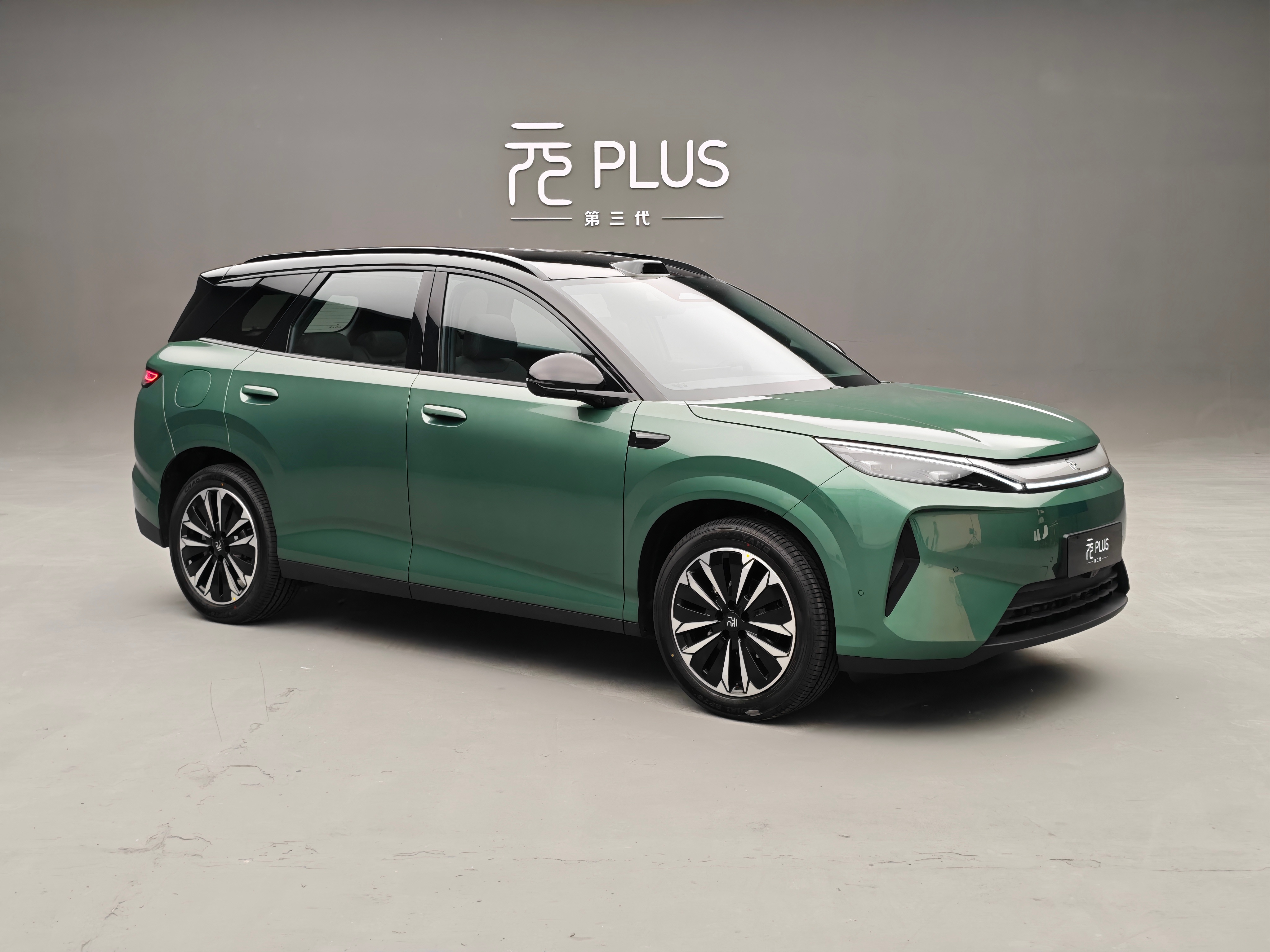
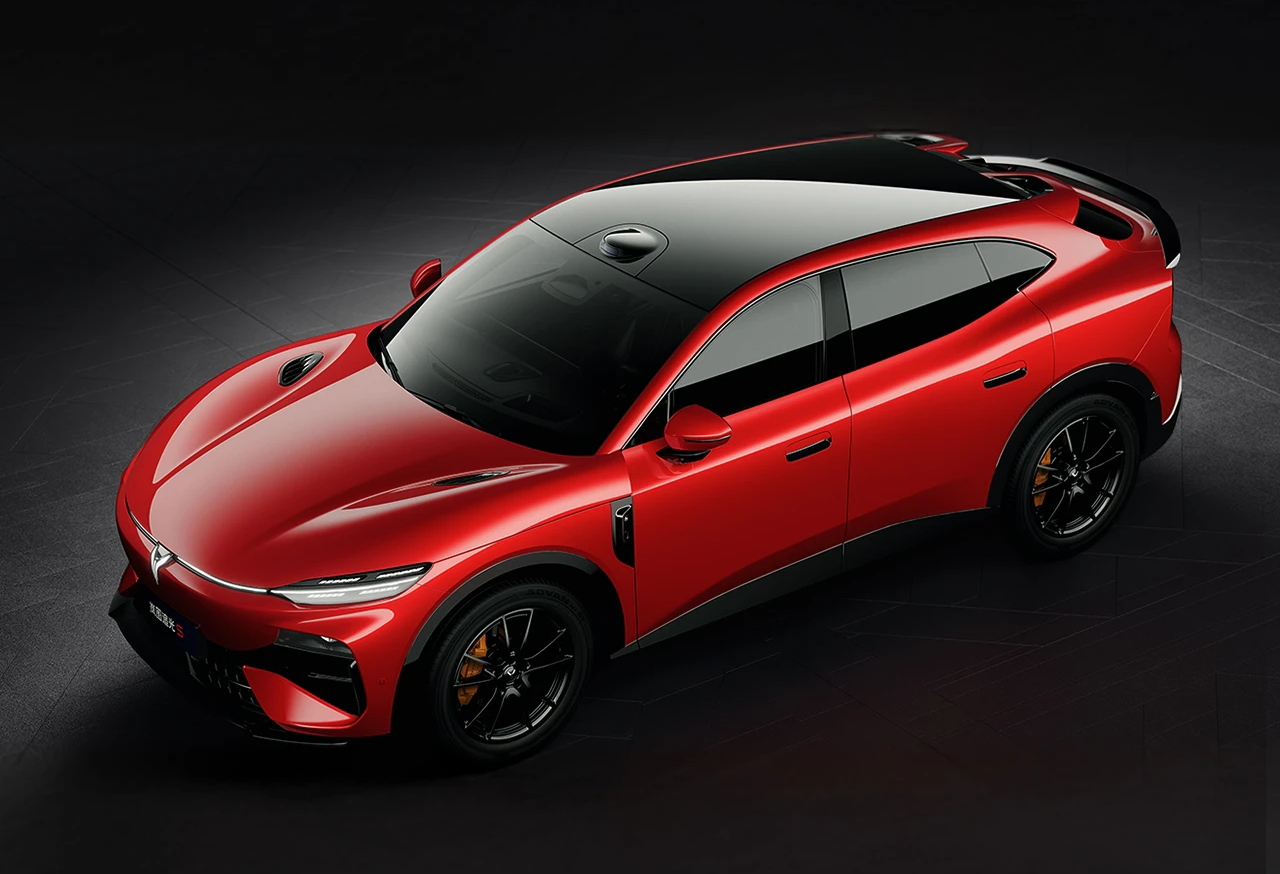
In contrast to the cautious tone of Japanese OEMs, BYD took an assertive stance, unveiling the Japan-exclusive K-EV, alongside refreshed versions of its Dolphin, Seal, and Sealion 06 DM-i, while its high-performance Yangwang U9 also made a rare overseas appearance.
The split was clear: while Japanese automakers probed the future carefully, BYD showcased its full offensive strategy—turning the Tokyo show into another arena of China-Japan rivalry.
A “Fully Charged” Mobility Show
This year’s all-electric focus signaled that even Japan’s three major automakers can no longer avoid rethinking their prospects.
Toyota, for instance, remains in a “revenue growth but profit decline” phase. In fiscal Q1 2025 (April–June 2025), revenue rose 3.5% year-on-year to 12.25 trillion yen ($79.6 billion), but operating and net profits fell 11% and 37%, to 1.17 trillion yen ($7.6 billion) and 841.3 billion yen ($5.5 billion), respectively.
Honda followed a similar path. After years of stagnation, its fiscal Q1 2026 results showed both revenue and profits declining, with net profit plunging 50.2% to 196.7 billion yen ($1.3 billion). Nissan, still under restructuring, has meanwhile posted four consecutive quarters of losses.

Japan’s traditional carmakers are now deep in structural adjustment, with both sales and margins squeezed by the EV transition.
In response, the tone has shifted. Where once many Japanese brands openly resisted electrification, today they actively embrace it.
This year’s show reflected a clear strategic pivot: rather than showcasing isolated concepts, every major Japanese brand presented electrified products across segments, signaling a collective move from experimentation to industrial-scale commitment.
Toyota revealed a fully electrified next-generation Corolla concept, Lexus’s electric sports coupe and a six-wheel MPV, and the all-electric revival of the compact Midget X. Most of these concepts targeted the premium segment, suggesting an ambition to climb higher upmarket.

Honda’s lineup included the much-anticipated Super-ONE microcar and the “entry model” of its 0 Series, the 0 α Concept, though both appear aimed primarily at the domestic and Indian markets.

Nissan, for its part, “brought back” the China-developed N7, alongside the Europe-oriented Mirca, a refreshed Ariya EV, and the third-generation e-POWER hybrid Teana.
The once-celebrated all-electric Leaf also made an appearance, hoping for a comeback amid intensifying global EV competition.

Overall, Japan’s EV strategy reflects its hallmark strengths—compact efficiency, performance balance, and pragmatism across vehicle sizes.
From Lexus’s four-by-two MPV concept to Japan-only K-cars, the diversity underscored a multipolar, measured transition rather than a rush to volume.

Japan’s automakers seem poised for a collective “electrified rebound,” even as many of their offerings remain at the conceptual stage.
Whether these models can compete abroad—especially against the aggressive Chinese NEV wave—will soon be tested.
Power on Paper
Competing globally—especially in China’s hypercompetitive EV market—means inevitable comparisons with both Chinese and Tesla models.
While few Tokyo show debuts disclosed detailed performance data, prior reports offered glimpses into their technical baselines.
Honda’s 0 Series prototypes, for example, reportedly deliver peak outputs of 241 hp and 67 hp across motor variants, offering rear- and all-wheel-drive options for EVs, while the smaller motor version will later power hybrids.

In contrast, mainstream Chinese EVs already offer far higher output—Xiaomi’s YU7 at 320 hp, Li Auto’s i6 around 340 hp, and Tesla’s Model Y RWD at 299 hp—illustrating a clear performance gap.
Yet Honda’s technical focus remains on efficiency: overseas testers noted compact inverters and lightweight aluminum battery housings, hinting at continued space optimization—a long-standing Japanese strength.

Mazda’s Vision X-Coupe hybrid revealed more specifics: 5050/1995/1480 mm dimensions, 3080 mm wheelbase, and a dual-rotor turbocharged engine paired with an electric motor for 510 hp total output, 160 km electric range, and 800 km combined range (WLTC).

By comparison, China’s BYD Han and Lynk & Co 10 hybrids—priced around RMB 170,000–200,000 ($23,400–$27,500)—already offer longer pure-electric range and greater power.
Buick Electra L7, with 302 km electric range, 1420 km total range, and 500 hp output, sets a high bar, starting at RMB 173,900 ($23,900).

Mazda’s rotary setup may enhance performance but risks higher consumption and shorter range.
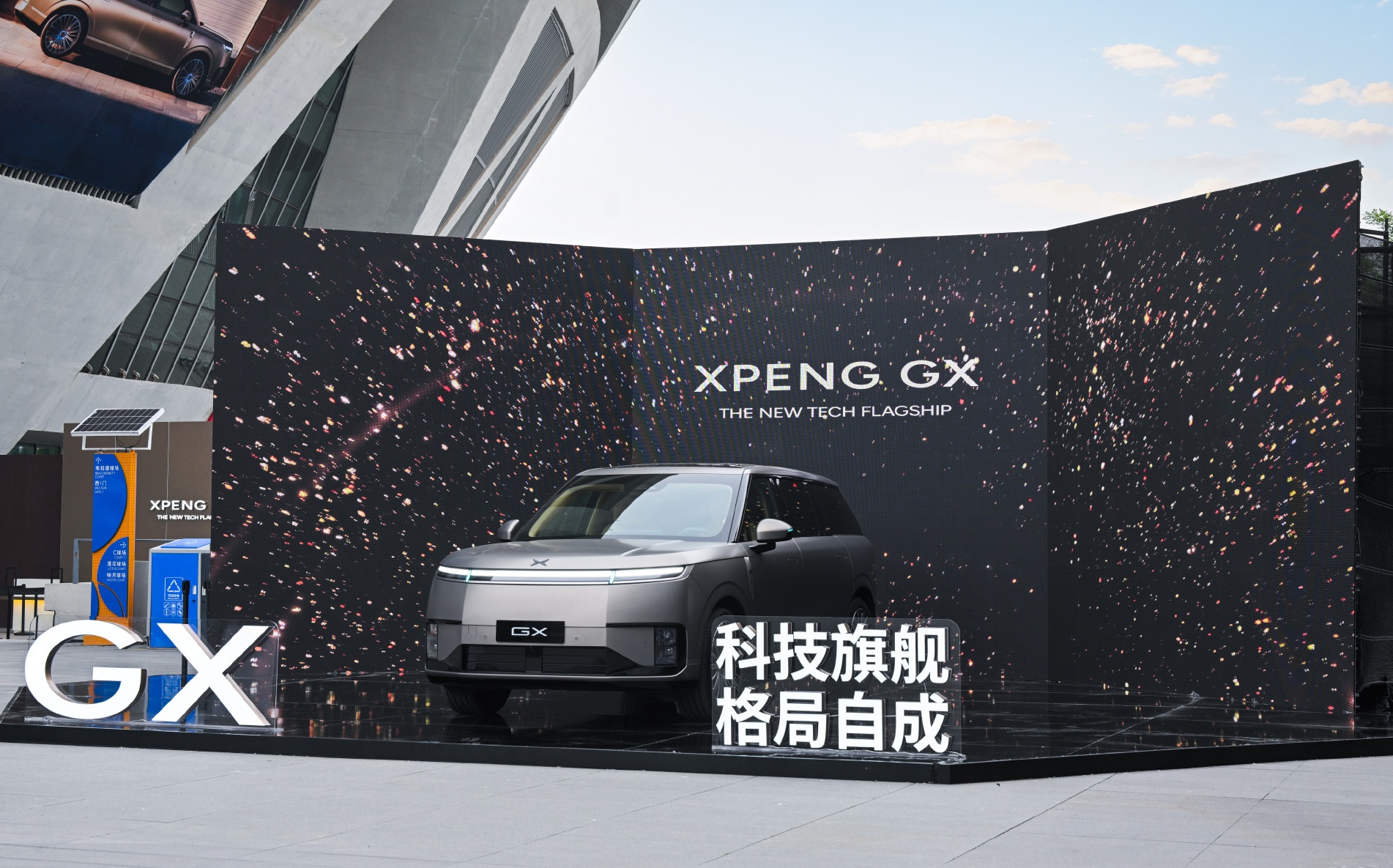
Meanwhile, apart from Nissan’s mention of ProPILOT 2.0 and Google integration in its Ariya EV, most Japanese OEMs avoided discussing intelligent cockpit or ADAS strategies—areas where Chinese automakers like Xpeng and NIO have long led.

From a Chinese consumer’s view, Japan’s newcomers still have significant ground to cover.
China’s Counterattack
Despite the abundance of Japanese concepts, the long-anticipated “EV comeback” from Japan has yet to materialize. Instead, two Chinese-built models at this year’s Tokyo show highlighted divergent, yet strategic, paths to globalization.
The first came from BYD, targeting Japan’s sizable kei-car market with its first Japan-only electric model—the K-EV BYD Racco—set to compete in a segment that sold 1.56 million units in 2024.

BYD also introduced a dual-track strategy—pure EVs and plug-in hybrids—launching the Sealion 06 DM-i as its first hybrid offering in Japan.
The second came from Nissan, which showcased the N7—a model entirely designed and engineered by its China team.

This, more than any Chinese brand’s solo presence, marked a paradigm shift: Japan’s own automakers now acknowledge China’s leadership in EV technology, supply chain integration, and product definition.
It represents not just industrial convergence, but a cognitive turning point—a structural victory for China’s NEV industry.
Chinese companies are now applying the same “localization playbook” once used by foreign brands entering China—only this time, in reverse.
With such momentum, the question remains: how much time do Japan’s automakers still have to catch up?
Discover more from ChinaEVHome
Subscribe to get the latest posts sent to your email.