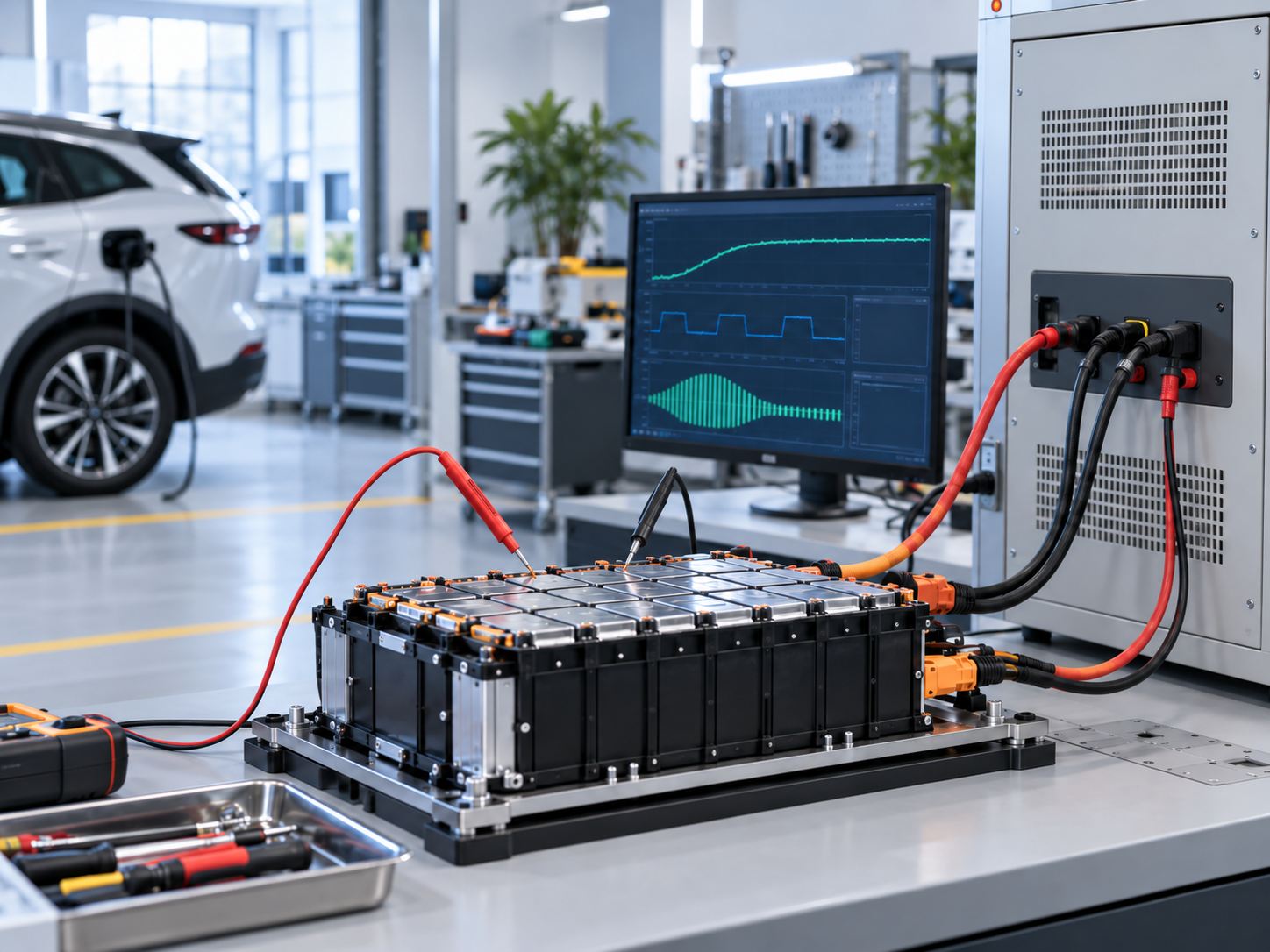
Among the proposed changes are new safety measures targeting NEVs.
China’s Ministry of Public Security has released a draft revision of the Technical Specifications for Safety of Power-driven Vehicles Operating on Roads (GB 7258) for public comment, according to a notice published on the National Public Service Platform for Standards Information on November 12.

The updated national standard, expected to take effect six months after publication, will replace the existing 2017 version. GB 7258 serves as the foundational safety regulation for vehicles in China, governing manufacturing, import, registration, and inspection.
The drafting committee noted that with the rapid growth of new energy vehicles (NEVs) and passenger cars equipped with ADAS, the existing standard no longer adequately addresses emerging safety challenges. The revision aims to tackle new risks associated with vehicle electrification and intelligent control.
Among the proposed changes are new safety measures targeting NEVs. One key provision requires vehicles equipped with electronic or automatically activated locking systems to automatically unlock doors on the non-impact side in the event of a collision or battery thermal runaway.

For the first time, the draft mandates that vehicles using electrically controlled door handles must also include a mechanical emergency release. Each door (except for the tailgate) should have an exterior handle with a mechanical release function, accompanied by a clear visual indicator near the release mechanism.
This design requirement aims to ensure that occupants can manually open doors if the electronic control system fails or a battery-related accident occurs — a response to several high-profile incidents where malfunctioning electronic handles trapped passengers inside vehicles.

Beyond door systems, the proposed standard also introduces two new technical requirements under “Overspeed Warning and Speed Limitation Functions.”
First, passenger cars must default to a mode where acceleration from 0–100 km/h takes no less than five seconds after each startup, to prevent misuse of high-performance modes in everyday driving.
Second, BEVs and PHEVs must feature an acceleration suppression function to prevent unintended pedal misapplication; when stationary or creeping, the system should detect missteps, limit power output, and alert the driver.
Overall, the latest draft focuses on addressing new safety risks emerging from NEV technology, particularly in areas of smart control and battery management.
The revision signals that future NEV and intelligent vehicle models will face stricter safety requirements in both design and certification stages.
Discover more from ChinaEVHome
Subscribe to get the latest posts sent to your email.