The subsidiary primarily engages in low-speed intelligent driving, focusing on drive-by-wire chassis and low-speed autonomous vehicles, as well as related solution products.
On November 19, Wuling Motors (00305.HK) announced via the Hong Kong Stock Exchange that the Group has established an indirectly held, non-wholly owned subsidiary — Guangxi Yuankong Intelligent Drive Technology Co., Ltd. — which will operate independently to focus on low-speed intelligent driving systems and solutions.

The business had previously been managed by Liuzhou Wuling Automobile Industry Co., Ltd., a directly held non-wholly owned subsidiary in which Wuling holds approximately 60.9% and its controlling shareholder Guangxi Automobile Group Co., Ltd. holds around 39.1%.
Yuankong Intelligent Drive is currently a wholly owned subsidiary of Wuling Industry and specializes in low-speed intelligent driving technology.
It will focus on the development and manufacturing of drive-by-wire chassis and low-speed autonomous vehicles, along with corresponding solution products.
The company’s core offerings include modularized drive-by-wire chassis platforms and scenario-based complete vehicles, supporting applications such as autonomous charging robots, unmanned shuttle services, and unmanned logistics. Several products have already been commercialized.

Unlike most industry peers focused on high-speed NOA and urban navigation assistance for passenger cars, Wuling is pursuing low-speed unmanned scenarios emphasizing commercial efficiency and faster deployment.
Amid intensifying competition in the NEV passenger market, Wuling has accelerated its intelligent technology strategy this year—splitting out the low-speed autonomous business while maintaining strong momentum on the passenger-vehicle front.
In October, the Wuling Hongguang MINI EV recorded sales of 61,506 units, ranking first among small NEVs.
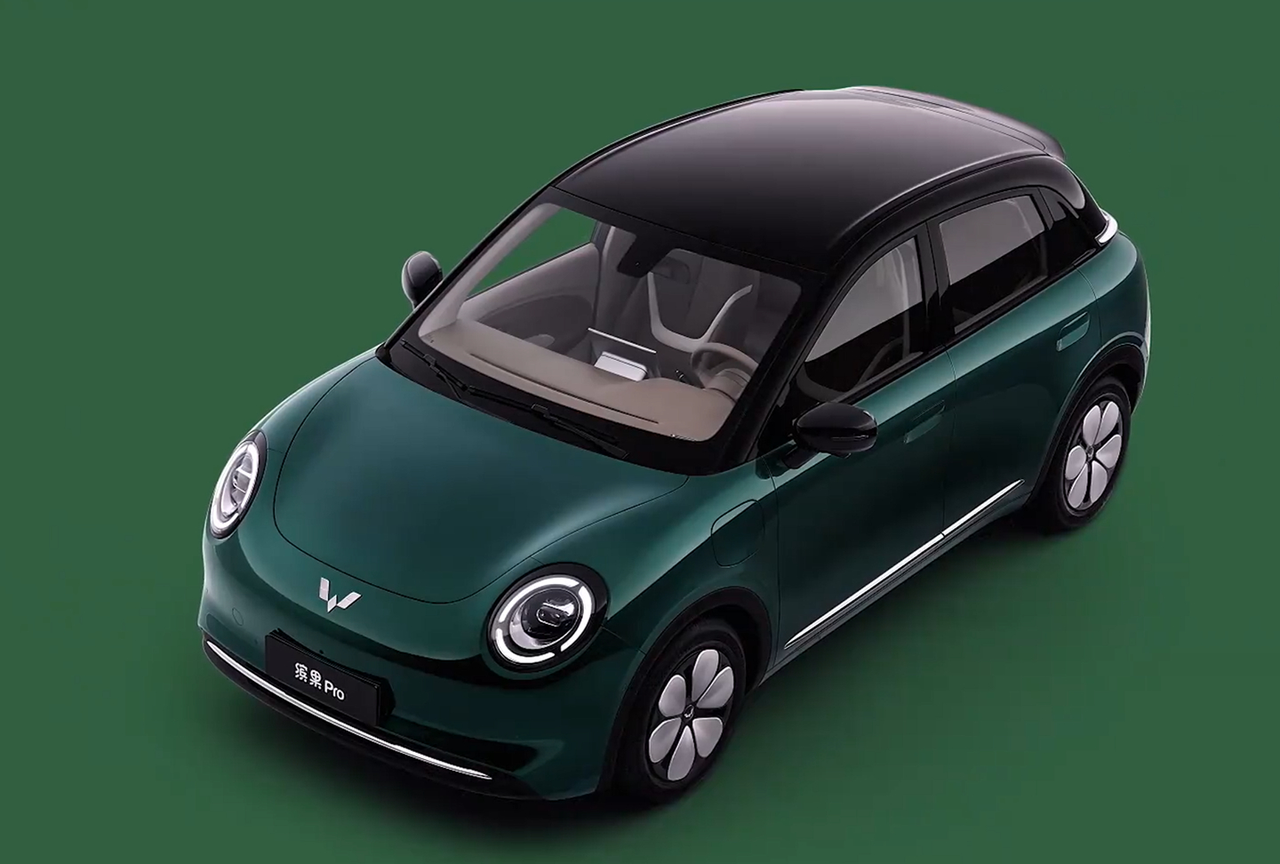
The Wuling Bingo S delivered 17,248 units during the month, rising 175% month-on-month and placing within the top five small NEV models.

The sales structure indicates that demand in the small pure-electric segment remains resilient, providing a revenue base to support Wuling’s investment in intelligent driving technologies.
The announcement states that the company aims to improve business conversion efficiency through independent operations while creating synergy with its core vehicle business.
For Wuling, which is exploring its second growth curve, the commercialization capability of low-speed autonomous driving will be a key indicator to watch.
Discover more from ChinaEVHome
Subscribe to get the latest posts sent to your email.