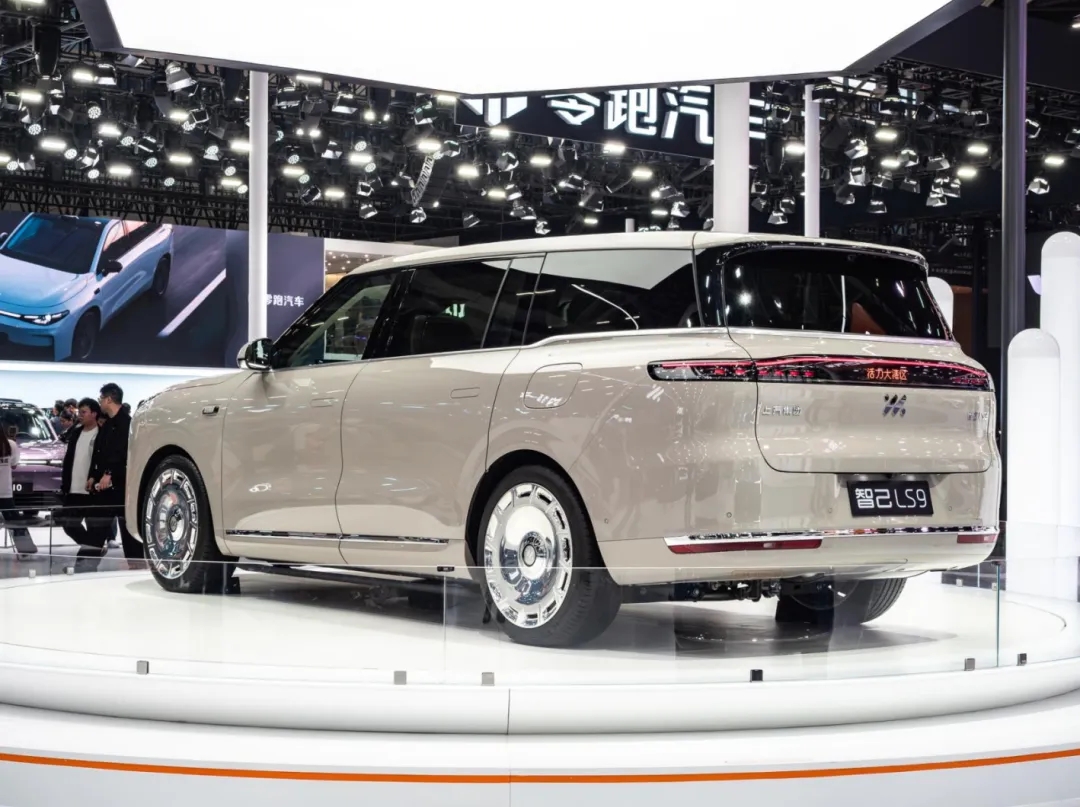
ChinaEV Home followed the crowds and conducted extensive field interviews at Auto Guangzhou 2025 to understand why visitors flocked to full-size family-oriented SUVs.
Unlike the punctual rhythm of the Spring Festival Gala, Auto Guangzhou 2025 opened several days later than usual.
In November, Guangzhou’s weather once again swung dramatically between 30°C and 15°C. Despite the sudden chill, the Canton Fair Complex remained bustling during the Auto Show.
All that said, Auto Guangzhou 2025 felt somewhat underwhelming—of the 93 new models on display, most had already been unveiled or launched earlier.

New energy and intelligent technologies have become familiar themes. Porsche and Rolls-Royce were absent from the exhibitor list, and the high-performance zone drew far fewer onlookers.
So where did the crowds go? It turns out the stars of this year’s show were not ultra-luxury flagships or cutting-edge tech concepts, but ordinary, everyday SUVs.
In particular, large three-row SUVs. More than eight newly released full-size three-row models—including Geely Galaxy M9, IM LS9, and ONVO L90—entered the market, with some positioned as critical sales lifelines for their brands.
ChinaEV Home followed the crowds and conducted extensive field interviews to understand why visitors flocked to full-size family-oriented SUVs.
Meanwhile, which is winning broader consumer appeal: pure-electric or range-extended hybrids? And is the pure-electric three-row SUV truly becoming the new breakout category, as some claim?
Through Auto Guangzhou 2025, we listened to the real voices of everyday buyers.
A New Trump Card
After visiting exhibition areas A and D, one trend was clear: large three-row SUVs have become automakers’ trump card for pulling traffic.
Although most three-row models had already launched, booths featuring them consistently saw the highest foot traffic.

BYD Group, which took over Hall 2.1, was heavily packed around Denza N8L and N9—the density of visitors around these models was among the highest at the show.
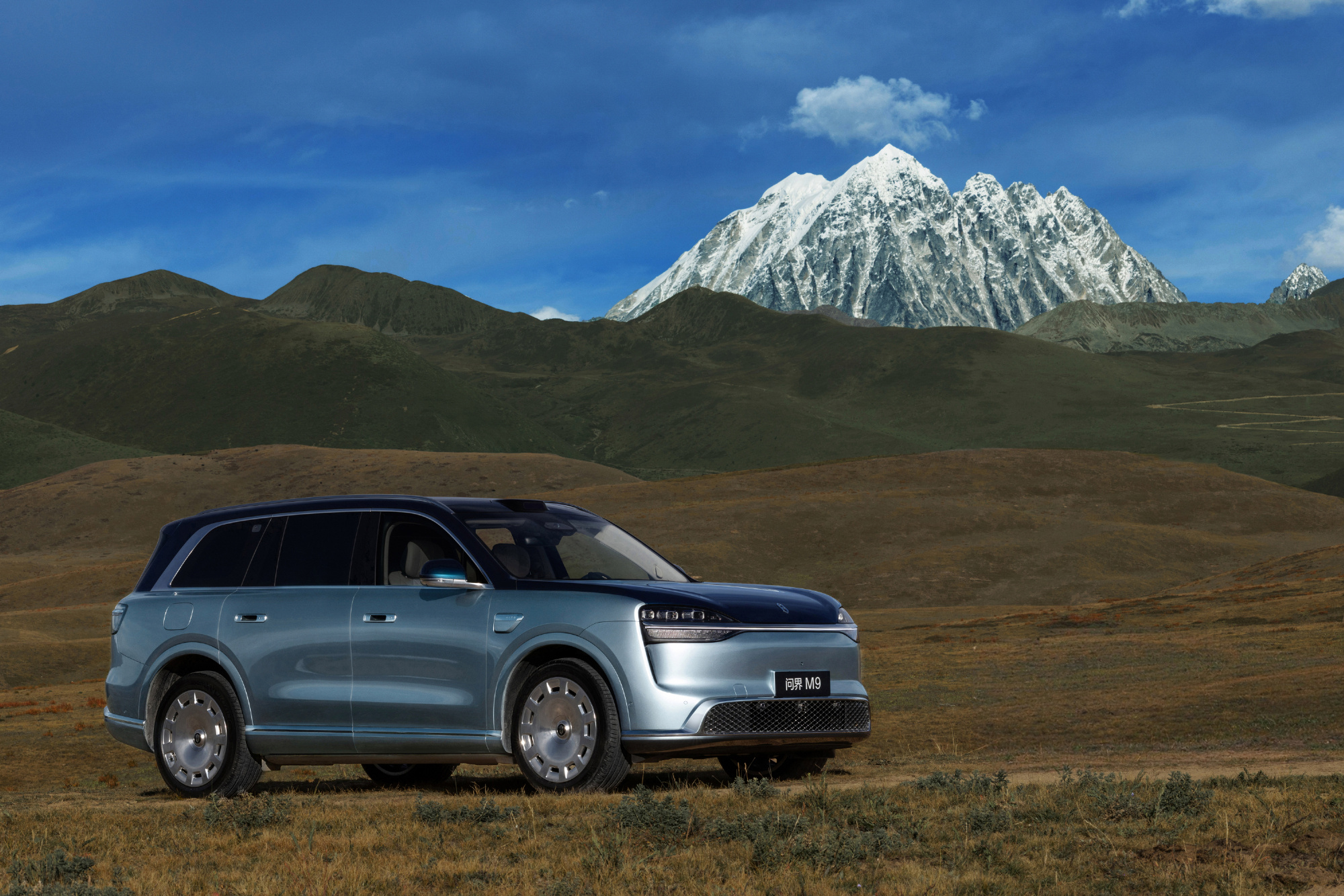
At Huawei-backed HIMA, interest was equally intense: the AITO M8 and M9 drew some of the largest crowds and the most display units.
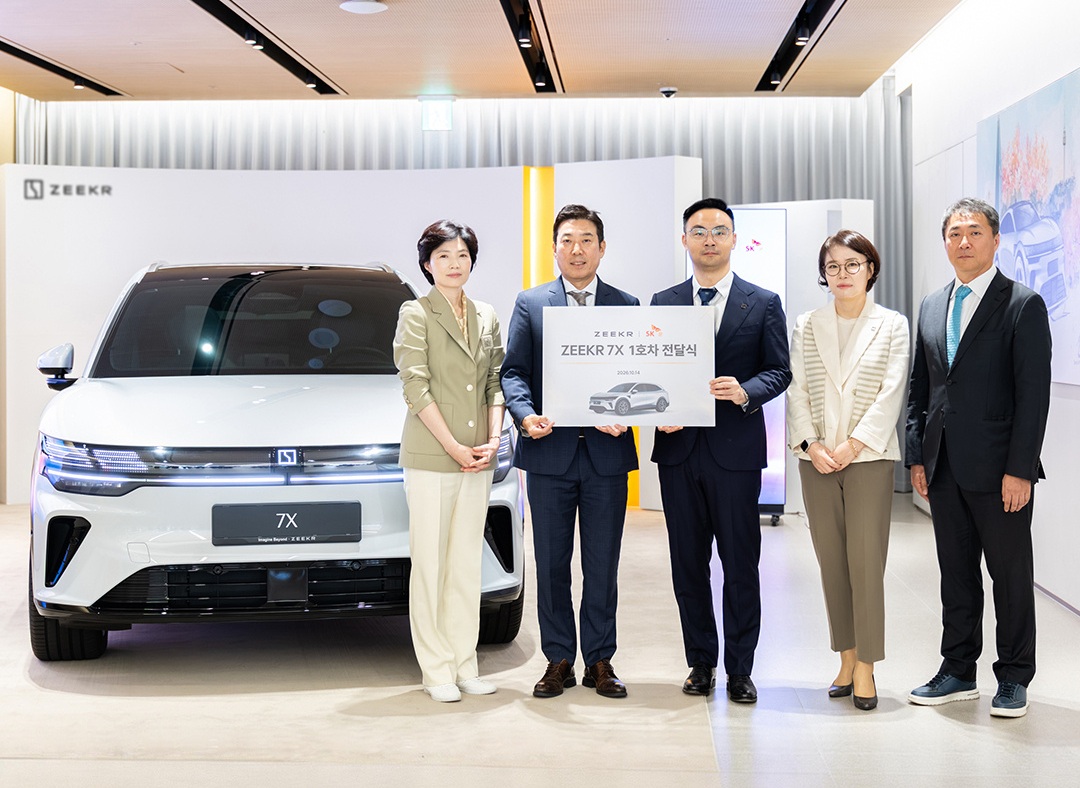
The same pattern repeated at IM, Lynk & Co, and Zeekr: IM LS9, Lynk & Co 9X and 900 each attracted constant lines of visitors taking photos and testing seating.
Lynk & Co 900 was particularly striking—even positioned deep inside the booth, it was the brand’s most-visited vehicle.
Even traditional premium brands felt the shift: Cadillac models drew light traffic overall, but the pure-electric Escalade drew strong attention.
These scenes reveal changing consumer needs.
As innovation in intelligent-vehicle tech approaches saturation, R&D priorities are shifting toward user experience—where large three-row SUVs have the most visible impact.

The surge in three-row SUVs is no coincidence. According to CPCA data, from 2021 to 2024 the segment achieved a compound annual growth rate above 40%, far outpacing the SUV category as a whole.
One major driver: pricing has fallen dramatically, making full-size SUVs far more accessible to mainstream households.
Add highly perceptible features such as advanced intelligent interfaces, front trunks, and usable third-row seating, and public interest has surged.
So who exactly is driving the demand—and what matters most to them?
Disrupting ICE SUVs?
From our interviews, the reasons consumers focus on large three-row SUVs can be summarized as product substance, novelty, and comfort.
Most visitors felt Chinese-made three-row SUVs deliver stronger product execution, better space efficiency and cabin materials, and more comfort and thoughtful features—all at lower prices than traditional gasoline three-row SUVs.

Integrated e-drive systems and domain-controller architectures significantly improve usable cabin space.
In contrast, ICE SUVs must allocate space to large engines and transmissions, limiting passenger room while costing more.
As a result, domestic NEV three-row SUVs were seen as a decisive weapon against ICE rivals.
“I wouldn’t avoid Chinese brands now,” said one visitor. “Chinese cars are better than German luxury trio (BMW, Mercedes-Benz, Audi) now,” another commented. Many agreed brand prestige no longer outweighs real experience.
Outside of capability, many cited novelty value.
Ms. Liao, an older visitor, spent more than 10 minutes in the driver’s seat of the Lynk & Co 900 to rest and wirelessly charge her phone.

She said she liked its technology feel and cabin quality more than the Denza N9 she had seen earlier.
“You don’t even need to start an engine—everything works immediately. Only Chinese NEVs can do that,” she added.
Mr. Hu, a younger visitor, was drawn by the model’s rotating second-row seats and said his only priorities were driving feel and comfort.
Other interviewees highlighted comfort needs, particularly for family and business use.
Mr. Zhang, a small-business owner planning to replace his aging Ford Edge, found the Voyah Taishan appealing at under RMB 400,000 (about $56,000).
He wanted space for business receptions and comfort for older family members—plus lower operating costs.

However, he emphasized the need to compare several models and moved to the HIMA booth next to evaluate the AITO M8 and M9.
Some consumers purchase three-row SUVs for holiday family shuttles; others simply need more cargo space. Many felt three-row SUVs satisfy the “want-it-all” mindset.
Still, a minority complained about size and parking difficulty: “No matter how useful it is, I don’t want to make my daily life harder.”
If pricing reshaped perceptions, fuel-type diversity broadened choices.
But inside the category, pure-electric and range-extended powertrains are directly competing.
Many OEMs promoted long-range “super range-extender” systems, addressing past shortcomings. Pure EVs countered with high-voltage platforms and battery-swap infrastructure.
So which is entering its golden age?
Whose Golden Era?
At a group media session on opening day, NIO founder William Li cited insurance-registration data:
In October, pure-electric three-row SUVs registered over 39,000 units, versus about 24,000 range-extended models.
Supported by NIO’s nationwide charging and swapping infrastructure, he concluded the “golden era” of pure-electric three-row SUVs has begun.
But Xpeng founder He Xiaopeng, who will launch range-extended products in 2025, said charging-infrastructure constraints worldwide mean pure-electric and range-extended will coexist for the next 10–20 years.
So which wins within three-row SUVs? Professional visitors were split.
For drivers transitioning from fuel, opinions diverged even within families.
Mr. Wang favored pure-electric, saying the charging network is sufficient and operating savings make sense on such a large SUV.
Meanwhile, his father insisted refueling will always be more convenient and battery aging risks reduce savings, preferring range-extended.

Similar concerns came from potential buyers of the Voyah Taishan, who cited long holiday charging queues and viral conflict videos at service-area chargers.
Some consumers worried about EV safety, recalling viral battery-fire videos, but also felt conflicted about giving up advanced EV features.
Ms. Liao, who already owns an Aion pure-electric SUV, remains torn between choosing a pure EV or a range-extended hybrid.
She has seen many online videos of EV fire incidents and worries she could face the same risk someday. “But hybrids also have batteries, and I hate giving up advanced tech—so I’m stuck in the middle,” she said.
It’s clear that most voices supporting range-extended hybrids are driven by the flexibility and convenience of refueling and charging, hoping to avoid the anxiety of being stranded.
Of course, among visitors we interviewed, there were also firm supporters of pure EVs.
For example, some prospective buyers of the ONVO L90 said most of their driving is short-distance and they don’t need a large fuel tank.

When asked whether the existence of a front trunk would influence their choice of a pure EV, their answer was no, saying it was “not necessary.”
Another visitor researching the L90 appeared to be new to EVs. Initially resistant to pure-electric models, he decided to “give it a try” after hearing a salesperson’s explanation about battery swapping.
Features like a front trunk have not yet been fully appreciated by mainstream consumers. Among those supporting pure EVs, many have little or no long-distance driving needs, and today’s EV range is already sufficient.
Unlike last year, few visitors now take ideological sides over a single energy format; most evaluate based on practical usage scenarios.
Neither range-extended hybrids nor pure-electric three-row SUVs dominated in overall support.
As Xpeng founder He Xiaopeng put it, range-extended hybrids and pure EVs will likely coexist for a long time, with the objective of serving users who still lack convenient charging options.
The Turning Point
Visitors’ priorities aligned closely with soaring market sales.
As William Li said, the growth of pure-electric three-row SUVs has surpassed range-extended, signaling the early arrival of a golden era.
Yet consumers are still cautious about charging ease, and loyalty to pure-electric remains conditional.
The boom in three-row SUVs evokes the era when Toyota Highlander dominated the category—selling more than 4.7 million units globally thanks to accessible pricing, reliability, and optional three-row seating.

In the NEV era, demand for practical, family-friendly three-row SUVs never disappeared; it has simply been reignited by domestic brands offering superior experience.
But who will become the NEV-era “Highlander”? It is too early to call.
The segment remains divided between range-extended and pure-electric. Pure EVs are gaining momentum but have not yet become a decisive majority. New players continue to enter both sides.
For example, Volkswagen and Mercedes-Benz announced new large three-row models on the show’s opening day—the VW “Series 9” adopting a range-extended layout, and a long-wheelbase pure-electric GLC.
Recent sales spikes underscore the competition: IM LS9 secured over 5,000 firm orders within 25 minutes of launch; Zeekr 9X deliveries exceeded 10,000 units; AITO M9 has surpassed 260,000 units cumulatively.
Auto Guangzhou 2025 has become a turning point for both the auto industry and consumer preferences. For 2025, large three-row SUVs clearly stand at the center of strategic focus.
The question remains: who will carry the Highlander legacy into the NEV era? We’ll need to watch the long game.
Discover more from ChinaEVHome
Subscribe to get the latest posts sent to your email.