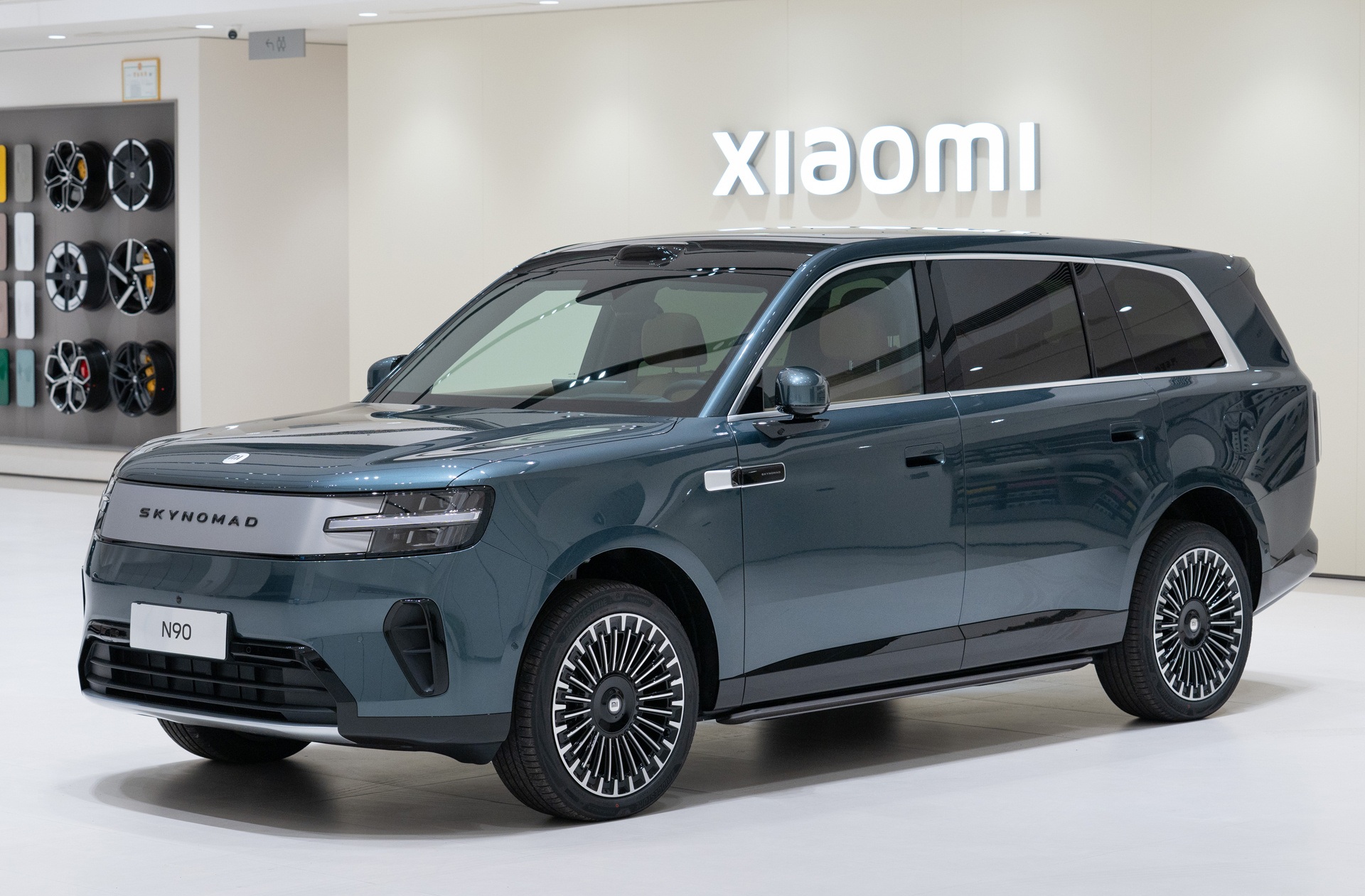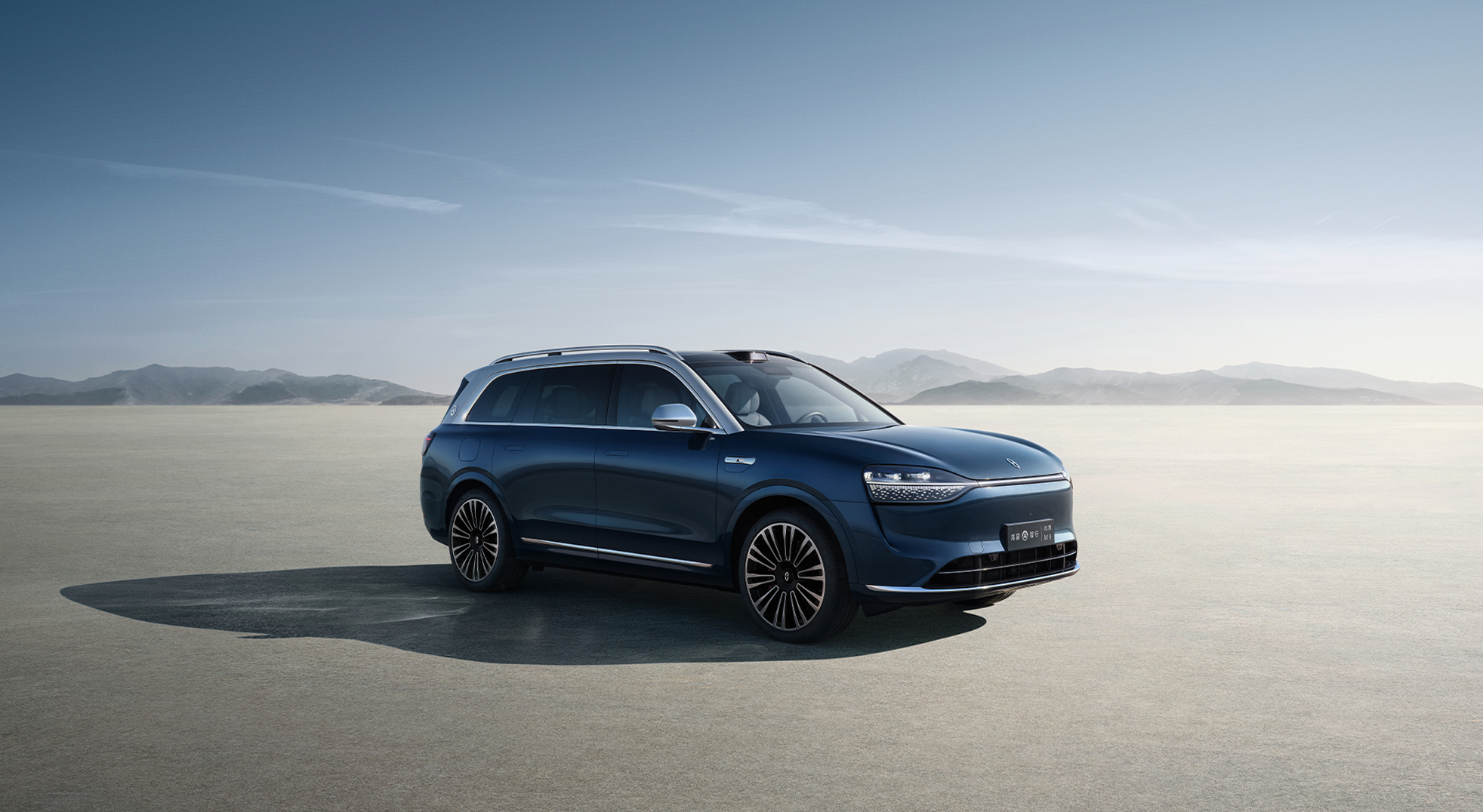
Given its pricing and market positioning, the AITO M6 will face direct competition from the Li Auto i6, Tesla Model Y, Xiaomi YU7, Avatr 07, and Zeekr 7X.
Huawei-Seres JV brand AITO is scheduled to launch M6 in Q2 2026, positioned primarily for the RMB 250,000 ($35,000) family SUV segment and offering both BEV and EREV variants, according to a Chinese media outlet.
According to a person close to Seres, the M6 will not replace the current AITO M5, which will continue to iterate. Instead, the M6 is intended to fill the mid-range gap and complete the product matrix.

Given its pricing and market positioning, the AITO M6 will face direct competition from the Li Auto i6, Tesla Model Y, Xiaomi YU7, Avatr 07, and Zeekr 7X, highlighting an increasingly crowded field.
For AITO, the Huawei brand halo and its intelligent driving technology remain core selling points.

However, internally, other models equipped with Huawei’s ADAS system — including Luxeed R7, Voyah Free, and Avatr 07 — also contribute to internal diversion pressure.
While accelerating efforts in the mass market, AITO is also seeking to defend its position in the premium SUV segment.
By 2026, the company plans to roll out a refreshed AITO M9 and a long-wheelbase M9L variant, further refining a complete price ladder covering RMB 200,000–500,000 ($28,000–$70,000) across the M5, M6, M7, M8 and M9 lineup.

At present, AITO’s sales are dominated by the M9 and M8 models. Overall deliveries reached about 49,000 units in October, with the two flagship models contributing more than half, boosting brand average price and profitability.
But growth momentum for the M9 is coming under pressure as new competitors, including the Maextro S800 and Zeekr 9X, enter the segment.
In comparison, AITO’s performance in the RMB 200,000–300,000 ($28,000–$42,000) mid-range space faces stronger headwinds. Over the past three months, 18 new mid-to-large SUVs have been launched.
Meanwhile, joint-venture combustion models and premium ICE vehicles priced around RMB 300,000 ($42,000) are aggressively discounting and expanding downward, squeezing room for growth.
Once a bestseller in this segment, the AITO M7 peaked at about 30,000 units per month but has averaged around 5,000 units in the first three quarters this year.

The entry-level AITO M5 starting at RMB 200,000 ($28,000) has weaker competitiveness with a shorter product lifecycle, and October deliveries have already fallen below 3,000 units.
For the Harmony Intelligent Mobility Alliance, AITO remains the core volume contributor.
Luxeed R7 and S7 have yet to gain meaningful traction in the RMB 200,000–300,000 ($28,000–42,000) range, while the more affordable Shangjie H5 has posted lackluster initial performance.
As a result, the upcoming M6 will directly influence full-year sales performance and market competitiveness for the Harmony ecosystem.
Discover more from ChinaEVHome
Subscribe to get the latest posts sent to your email.