Brands including AITO, Xiaomi, NIO, Zeekr, Li Auto and Voyah have managed to maintain relatively low quality risks despite offering high levels of configuration.
On January 29, research firm LandRoads released its 2025 New Energy Vehicle Product Quality Research Report.
The study collected 6,950 user-reported issues, including 3,687 quality-related problems and 3,263 design-related issues.
In terms of issue composition, noise-related complaints accounted for the largest share at 24.6%, followed by exterior component issues at 18.0% and intelligent feature-related problems at 17.3%.
Together, these three categories made up more than 60% of all reported issues, highlighting the most concentrated pain points among current NEV models.

From an overall brand perspective, AITO, Mercedes-Benz and Tesla ranked first, second and third, respectively, in the 2025 LandRoads NEV product quality rankings, with quality risk indices of 123, 126 and 146.
According to the report, AITO demonstrated a clear advantage in quality performance related to intelligent features, Mercedes-Benz showed stable results in fundamental areas such as driving systems and noise control, while Tesla continued to lead in the three-electric system covering battery, motor and electronic control.
In the large and above SUV segment, AITO M9 (88), M8 (98) and M7 (135) took the top three positions, followed by Li Auto L8 and Voyah FREE. AITO models showed relatively high overall stability in this segment, spanning multiple price ranges and powertrain configurations.

In the mid-size and below SUV segment, the Avatr 07 (92) ranked first, followed by the BYD Sealion 05 EV, Yuan UP, Tesla Model Y and Yuan Plus.
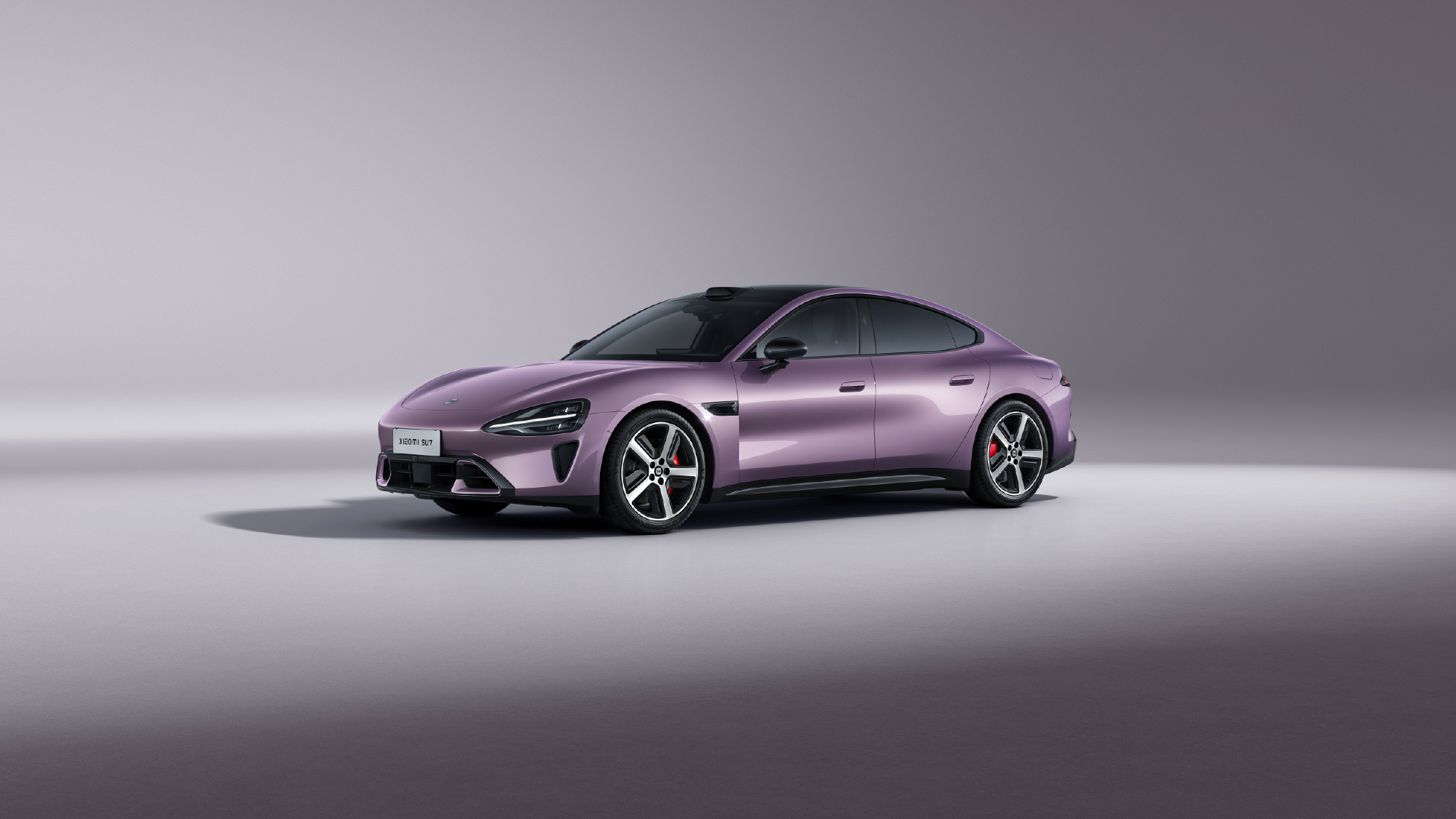
In the sedan market, among mid-to-large and above sedans, the Xiaomi SU7 ranked first with a quality risk index of 108, followed by the Stelato S9 (218) and IM L6 (237).

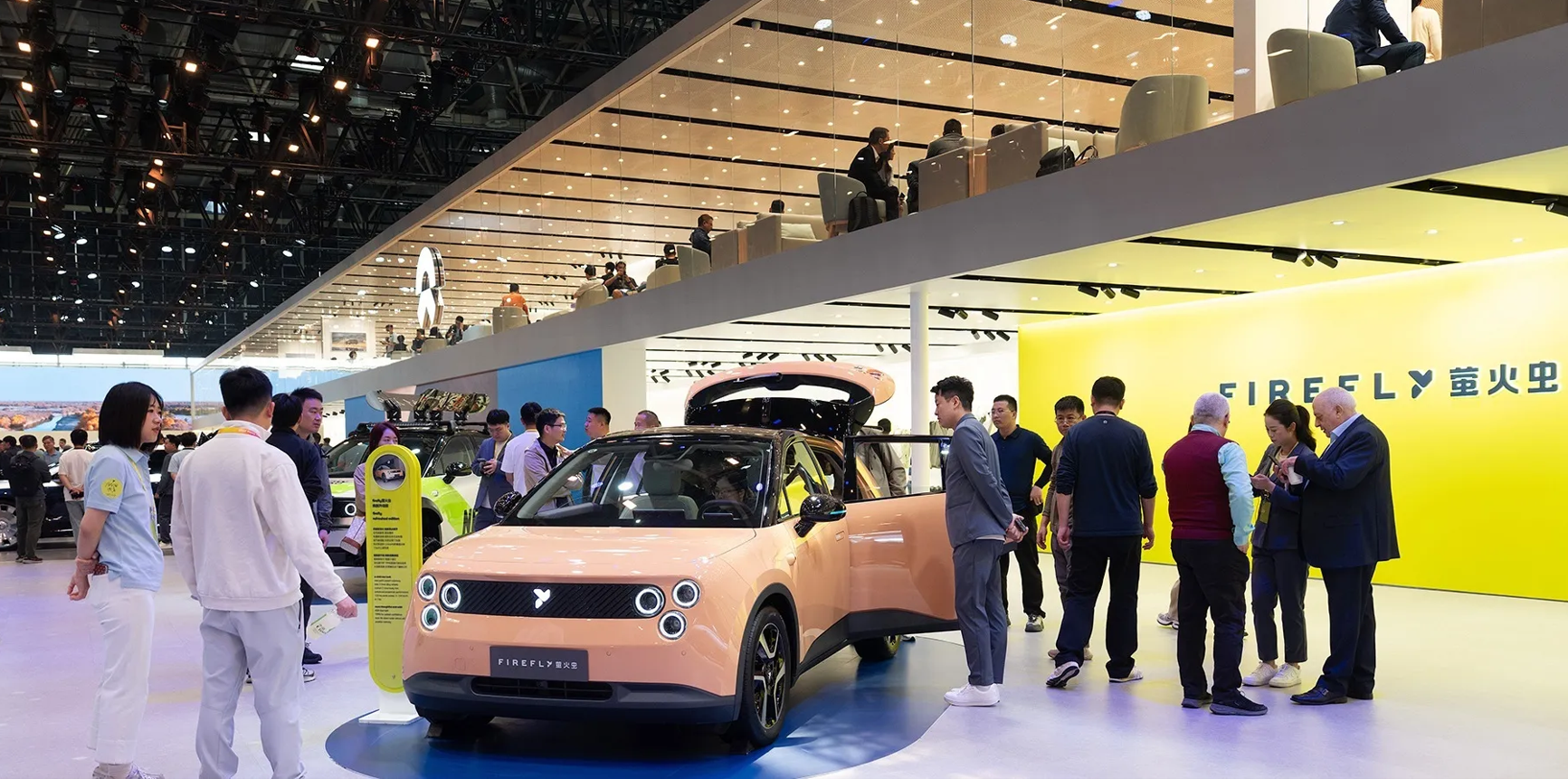
In the mid-size and below sedan segment, the Tesla Model 3 (104) topped the list, followed by firefly, BMW i3, Geely Galaxy Xingyuan and the BYD Seal 06 GT.

In the MPV segment, the Voyah Dreamer ranked first with a quality risk index of 192, making it the most stable model in terms of reliability in this category, followed by the Denza D9 and the Wey Gaoshan.
The report noted that the industry has gradually formed a “high-configuration, high-risk” concentration zone.
As some brands rapidly stack new functions and features, system maturity and stability have not improved at the same pace, with rising complexity amplifying quality risks.
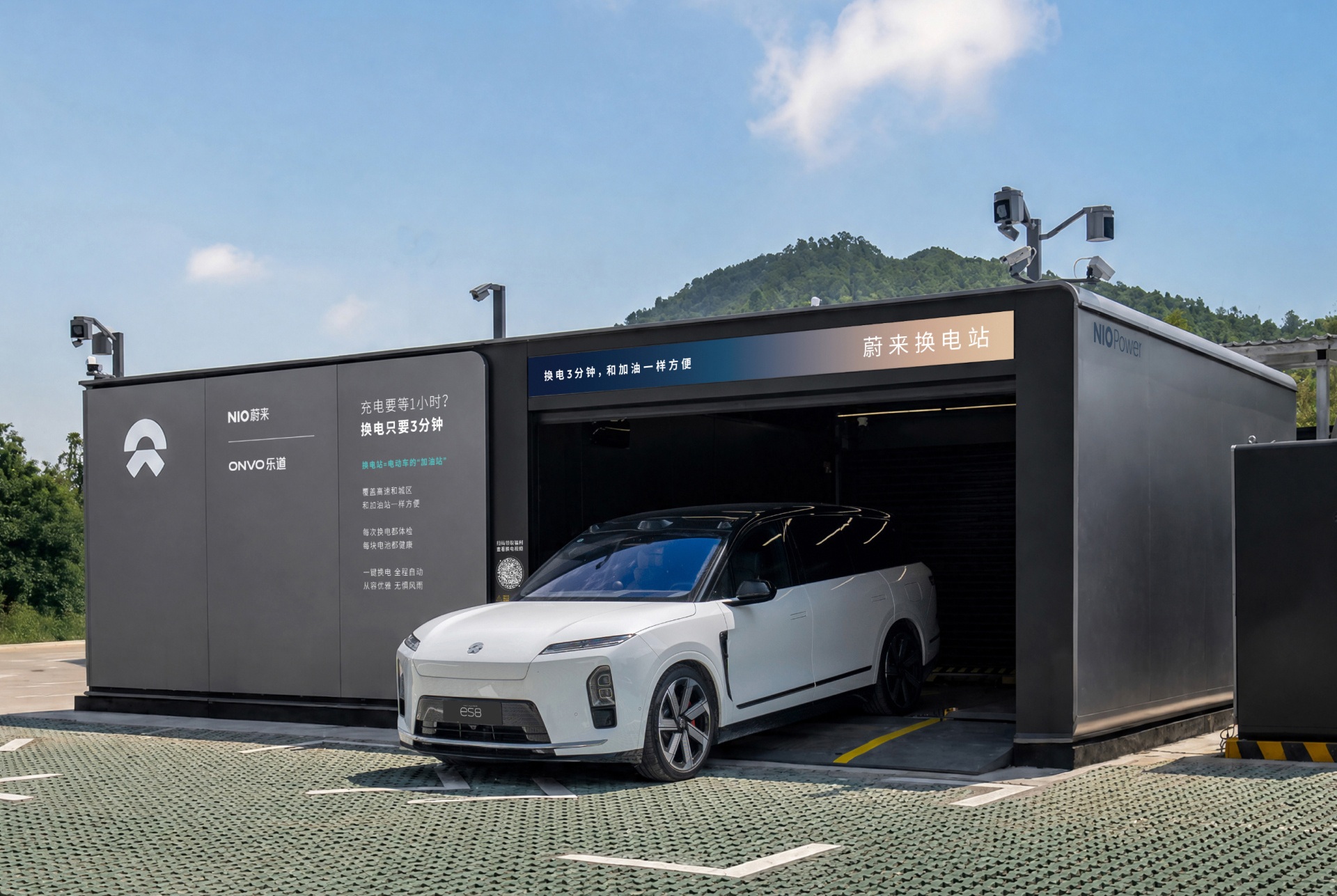
Notably, brands including AITO, Xiaomi, NIO, Zeekr, Li Auto and Voyah have managed to maintain relatively low quality risks despite offering high levels of configuration.
These brands generally benefit from more mature electronic and electrical architectures, stronger supply chain coordination, and comprehensive testing and validation systems across multiple usage scenarios.
LandRoads concluded that competition in the NEV industry is shifting from simple feature accumulation toward the integration capability and long-term stability of complex systems, a transition that is set to profoundly shape the next phase of product development.
Discover more from ChinaEVHome
Subscribe to get the latest posts sent to your email.