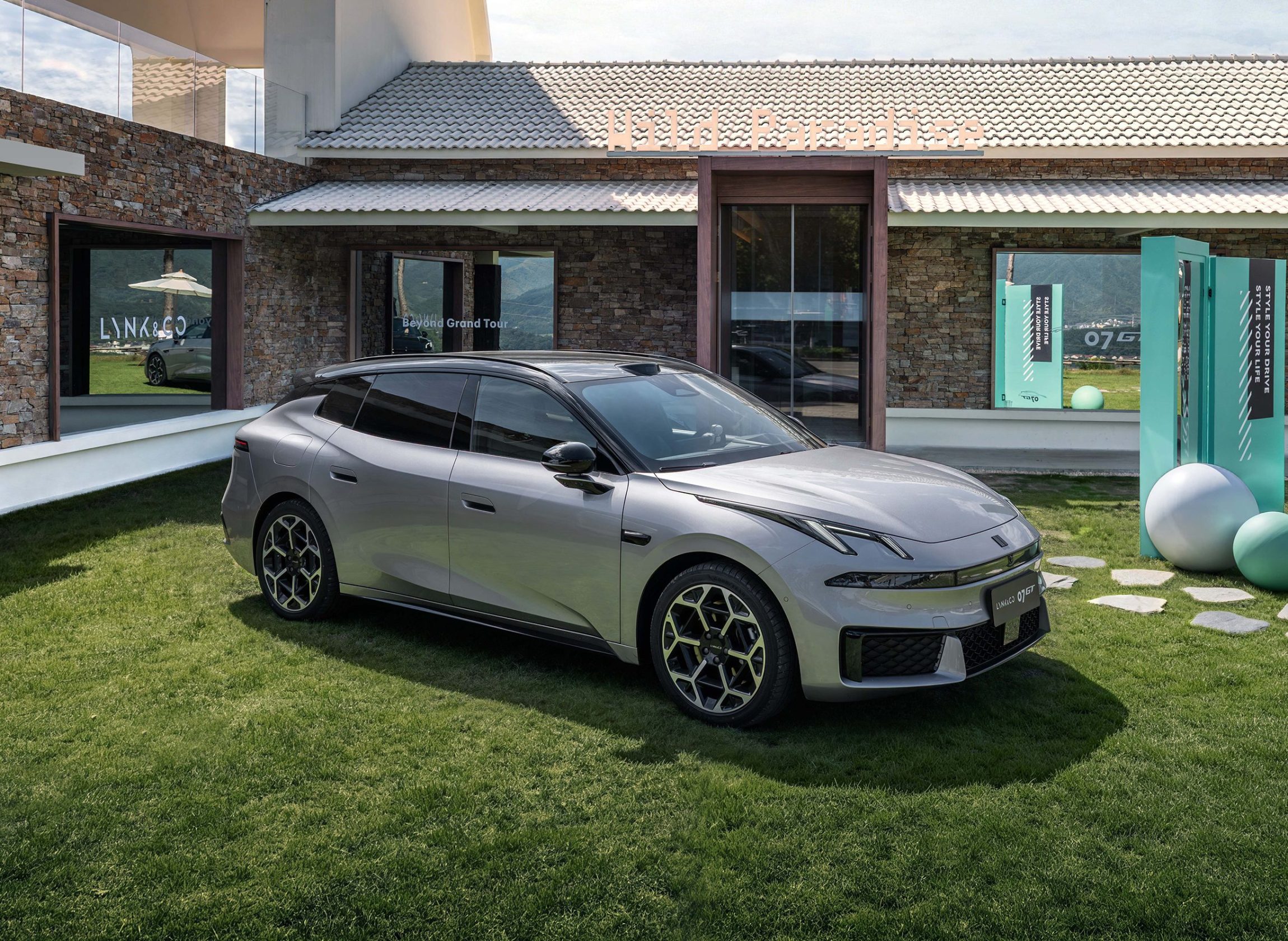
Lynk & Co apologized and pushed an OTA update, restricting headlight deactivation to manual control while driving.
A traffic accident triggered by an unintended voice command has drawn widespread attention online, after a Lynk & Co vehicle’s headlights were mistakenly switched off while driving.
Mu Jun, Deputy General Manager of Lynk & Co Automotive Sales Co., responded publicly to the incident via social media.

On February 26, Mu issued a public apology on his verified Weibo account, stating that the company had completed an optimization of the voice-control system and deployed the update via over-the-air cloud push.
Under the revised logic, headlights can only be turned off manually while the vehicle is in motion, and voice commands no longer have direct authority to deactivate them.
The incident occurred at around 1 a.m. on February 25, when a driver was operating a Lynk & Co Z20 on an unlit highway section.
Attempting to reduce cabin brightness, he issued the voice command “turn off all reading lights.” The in-vehicle system misinterpreted the instruction and shut off all exterior headlights.
The driver repeatedly instructed the system to “turn on the lights,” but due to voice-recognition threshold constraints, the system failed to accurately process the command.
The vehicle ultimately collided with a roadside barrier because of total loss of visibility. No injuries were reported.
Based on disclosed details, the malfunction involved two critical failures. First, the semantic recognition system did not adequately distinguish between “reading lights” and “all vehicle lighting.”
Second, high-risk functions directly related to driving safety lacked stricter activation conditions or secondary confirmation mechanisms.

The incident is not unique to Lynk & Co but reflects broader industry challenges associated with in-vehicle voice assistants.
In recent years, automotive voice systems have become a frequent source of consumer complaints, including recognition errors, latency issues, and semantic misinterpretation.
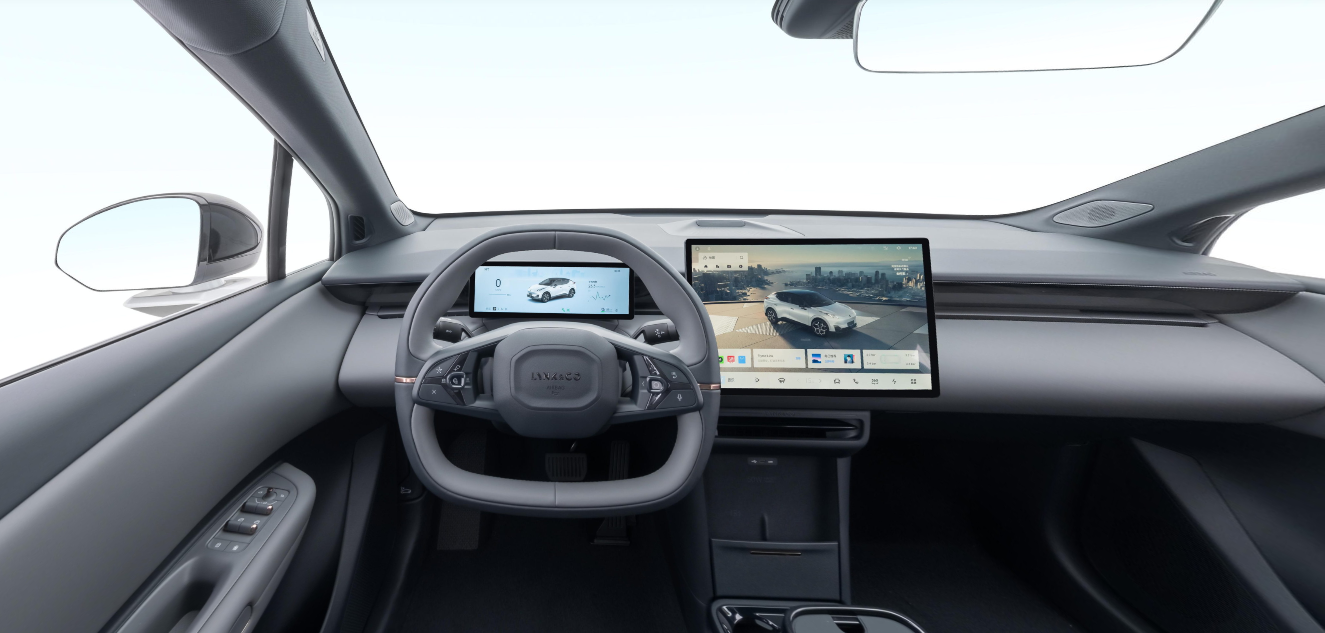
As physical buttons are increasingly consolidated into touchscreens and voice interfaces, reliance on software algorithms for high-frequency functions has intensified, amplifying the potential consequences of misoperation.
Notably, on February 12, China’s Ministry of Industry and Information Technology opened public consultation on revisions to the standard for Symbols for Controls, Indicators and Tell-Tales of Motor Vehicles (GB 4094-2016).
The proposed amendments introduce new requirements on the types and technical specifications of physical control devices, aimed at curbing excessive “de-physicalization” in interior design.
The revised standard includes an approximately six-month transition period and is proposed to take effect on July 1, 2027.
Discover more from ChinaEVHome
Subscribe to get the latest posts sent to your email.