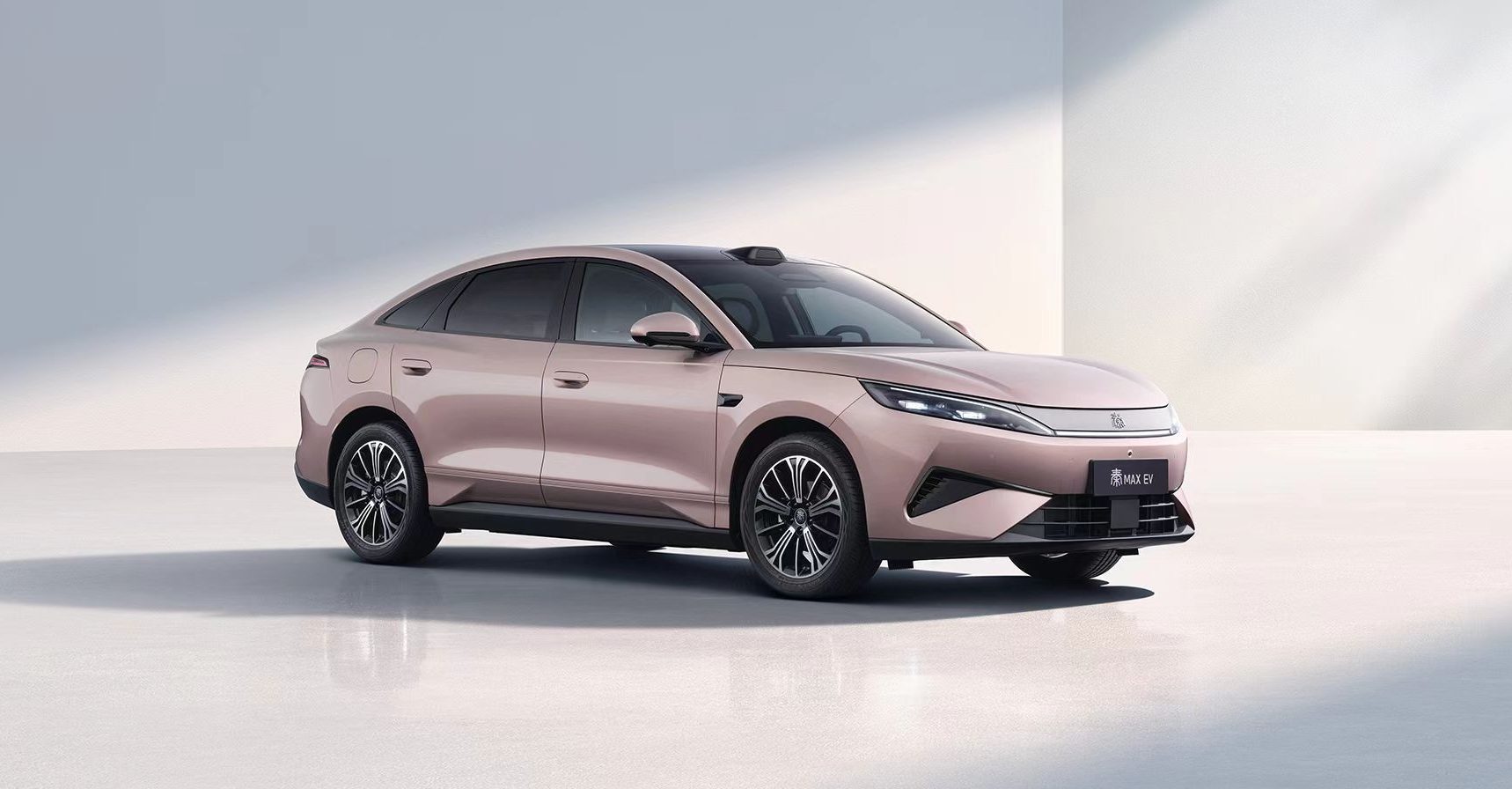
- BYD unveils Qin MAX with sportier fastback styling and larger dimensions aimed at younger B-segment buyers.
- Qin MAX offers hybrid DM-i and dual-power BEV options delivering up to 630 km CLTC and megawatt flash-charge.
- Priced around RMB 130K–170K, the model targets higher-value buyers to revive Qin family sales and fend off rivals.
BYD Dynasty Series General Manager Lu Tian shared official images of the Qin MAX on social media, marking the first full exterior reveal of the new model.
The Qin MAX carries BYD’s Dragon Face design language, while adopting a new front-end style compared with previous Qin family models. The sedan features larger light clusters, air guide openings similar to the Song Ultra, a closed front grille, and a “Qin” badge positioned at the front edge of the hood.

The side profile adopts a fastback design with smooth lines, giving the sedan a sportier stance. Semi-hidden door handles pair with a rising waistline running across the doors, creating a younger look than previous Qin models.
At the rear, the Qin MAX features a new full-width taillight design. The light clusters integrate a simplified Chinese knot-inspired pattern, while the illuminated BYD logo sits below the center of the taillight strip. The license plate area is placed on the rear bumper, keeping the tail design clean.
The Qin MAX measures 4,866 mm in length, 1,880 mm in width, 1,495 mm in height, with a 2,820 mm wheelbase. Compared with the Qin L, which measures 4,830 mm in length with a 2,790 mm wheelbase, the Qin MAX is 36 mm longer with a 30 mm longer wheelbase, reaching mainstream B-segment sedan dimensions.

Inside, previously leaked images showed the Qin MAX cabin layout. The sedan features a two-spoke steering wheel, a built-in digital instrument panel, and a floating central touchscreen. The gear selector adopts a column-mounted design, while physical buttons remain around the center console. A button behind the cup holders is expected to be BYD’s new customizable “smart control key.”

Powertrain options will include plug-in hybrid and pure electric versions. The plug-in hybrid model will use BYD’s fifth-generation DM-i system, combining a 1.5L engine with a 175 kW electric motor. It will offer two battery options, delivering CLTC pure electric ranges of 170 km and 230 km.
The pure electric version will adopt BYD’s second-generation Blade Battery, offering two power configurations: a 120 kW version paired with a 52.87 kWh battery, delivering 530 km CLTC range; and a 240 kW version equipped with a 64.32 kWh battery, delivering 630 km CLTC range.
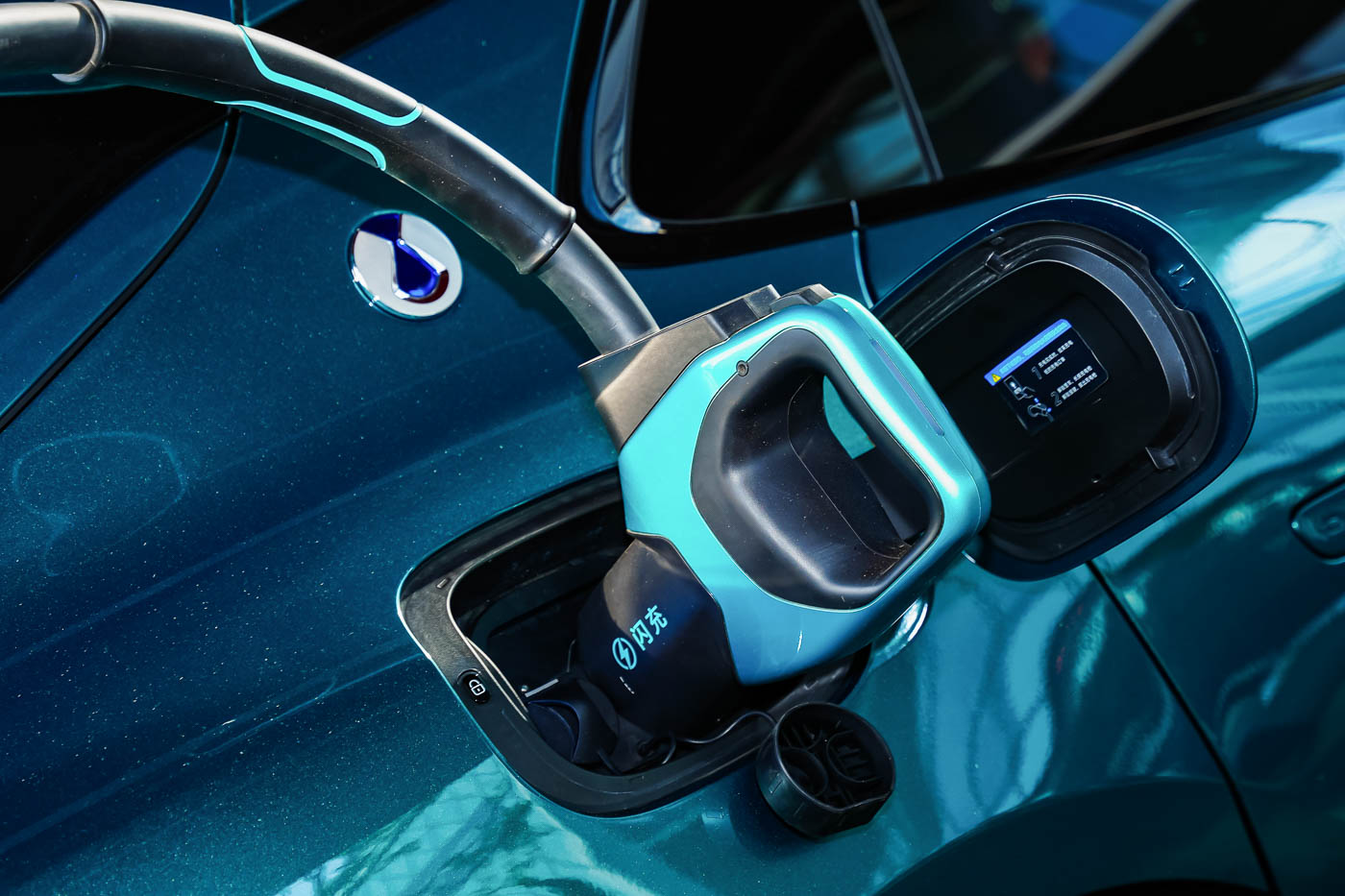
Lu Tian described the Qin MAX as the “top-tier version” of the Qin family, positioned above the Qin L. The new B-segment sedan targets younger consumers, featuring BYD’s megawatt flash-charge technology.
For intelligent driving, the roof-mounted LiDAR module suggests the Qin MAX will be equipped with BYD’s DiPilot “God’s Eye B” system, supporting urban and highway navigation assistance functions.

Unlike previous Qin models focused mainly on family users, the Qin MAX targets the younger B-segment sedan market. BYD has already revealed light pink and purple exterior colors, both designed to appeal to younger buyers.
The Qin MAX also shares similarities with BYD’s Han sedan in dimensions, styling, and front-end design. Some Chinese consumers have called it an “entry-level Han.”
BYD is shifting away from a low-price volume strategy this year. The Qin MAX is unlikely to repeat the Qin PLUS’s RMB 79,800 ($11.8K) entry price strategy. Based on its B-segment positioning and the Dynasty Series lineup, the Qin MAX is expected to be priced between RMB 130K ($19.2K) and RMB 170K ($25.1K), filling a gap in BYD’s sedan lineup.
The decline of Qin family sales has become one factor behind BYD’s slower domestic growth this year. In 2025, the Qin PLUS delivered more than 380K units, while the Qin L surpassed 260K units. In the first half of 2026, Qin PLUS sales fell to 68K units, while Qin L sales reached 53K units, showing a clear decline.

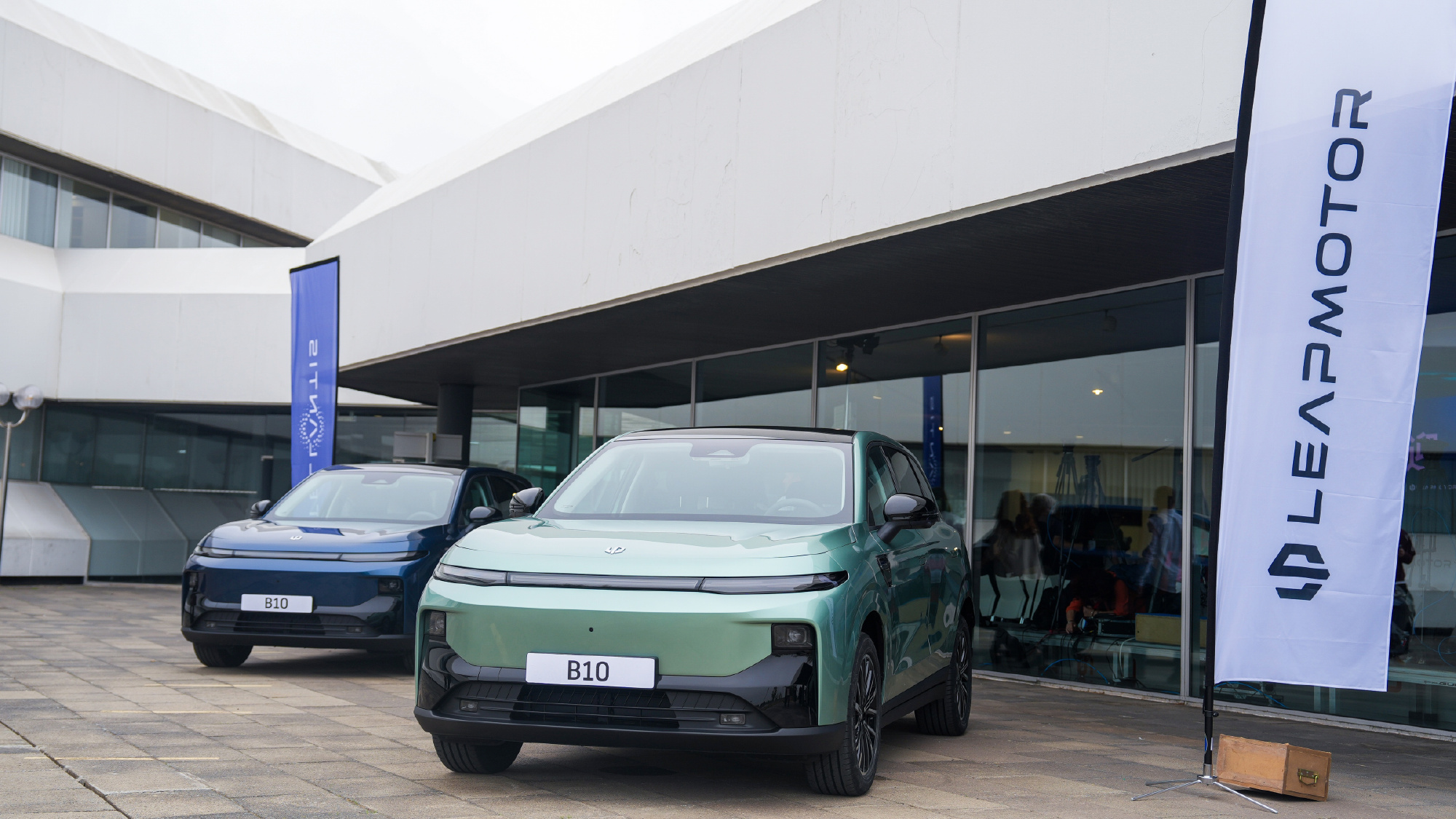
The slowdown comes as BYD shifts toward higher-value products. Meanwhile, rivals including Leapmotor and Geely Galaxy have captured market share with larger dimensions, richer features, and younger designs in the same segment.
With a younger design, larger body, and upgraded features, the Qin MAX represents an important addition to BYD’s product lineup. Whether it can revive growth for the Qin family remains to be tested by the market.
Discover more from ChinaEVHome
Subscribe to get the latest posts sent to your email.