- XPeng AI infra chief Lu Siyuan is leaving to join OpenAI’s embodied AI robotics unit.
- His exit leaves XPeng without a clear successor and risks splitting AI Infra into multiple teams.
- XPeng doubles down on full-stack AI and robotics as it pushes VLA 2.0, Robotaxi pilots, and humanoid scale-up.
XPeng Motors’ AI Infrastructure chief Lu Siyuan is set to leave the company, with his next move reportedly confirmed as joining OpenAI to work on embodied AI robotics development.
During his time at XPeng, Lu was responsible for building the company’s AI Infra system, covering model training frameworks, GPU cluster management, in-house chip compilers, model optimization, and vehicle-side AI deployment.
Although AI Infra is not a consumer-facing business unit, it serves as a key foundation for XPeng’s autonomous driving commercialization.

XPeng is currently advancing its self-developed AI chip strategy, alongside an end-to-end intelligent driving model route. From model training to in-vehicle inference deployment, the underlying infrastructure remains a critical support layer.
Unlike many competitors that rely on third-party chip platforms such as NVIDIA, XPeng aims to build a full-stack AI technology chain covering data, models, chips, and deployment. Lu’s team has served as a key bridge between AI development and mass-production applications.
XPeng has reportedly not yet found a direct successor to Lu. The AI Infra team could later be split into multiple independent groups, managed by different executives.
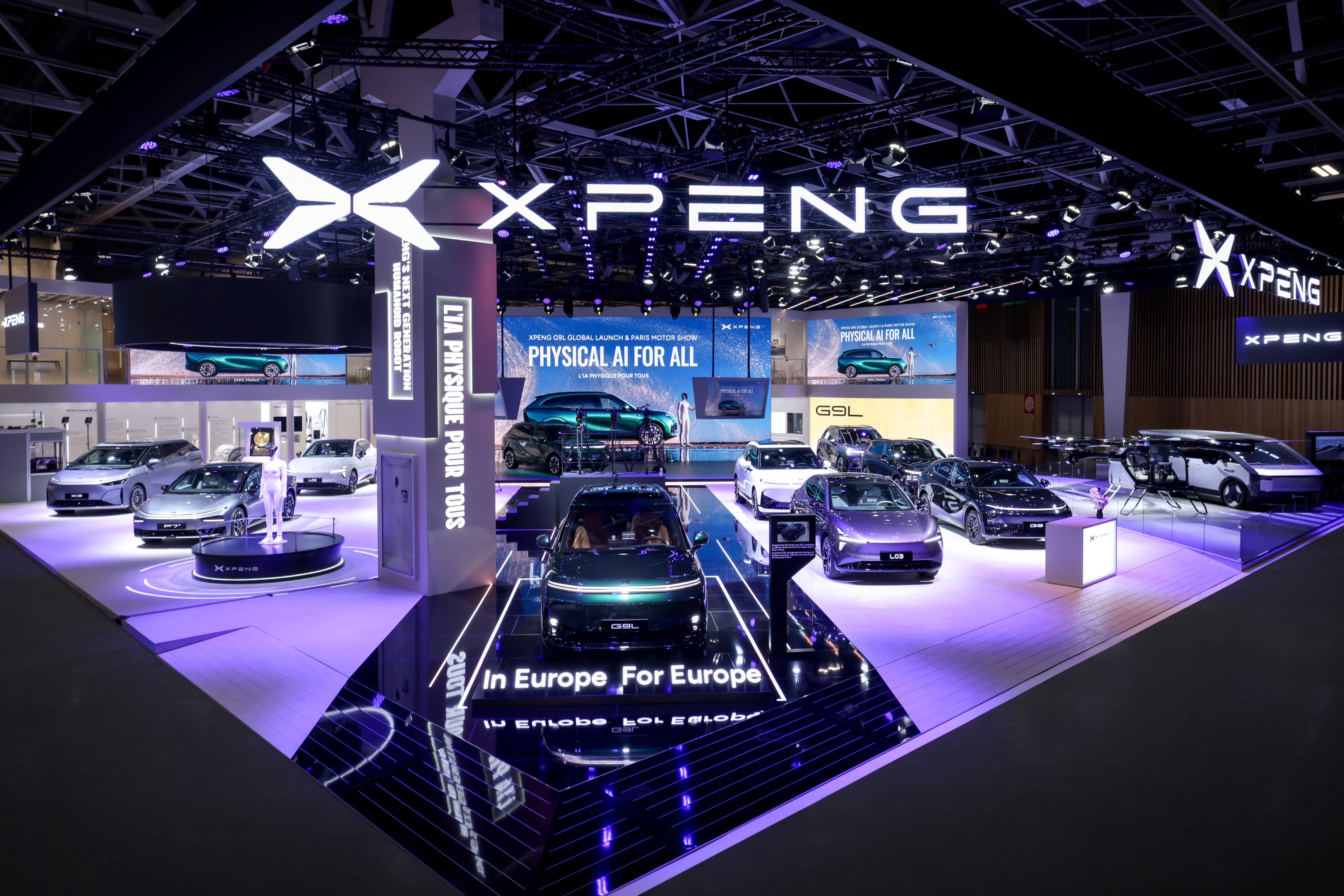
The personnel change comes as XPeng accelerates its transformation into a “Physical AI company.” In recent years, XPeng has expanded AI applications beyond vehicles, covering intelligent driving, Robotaxi services, humanoid robots, and other emerging fields.

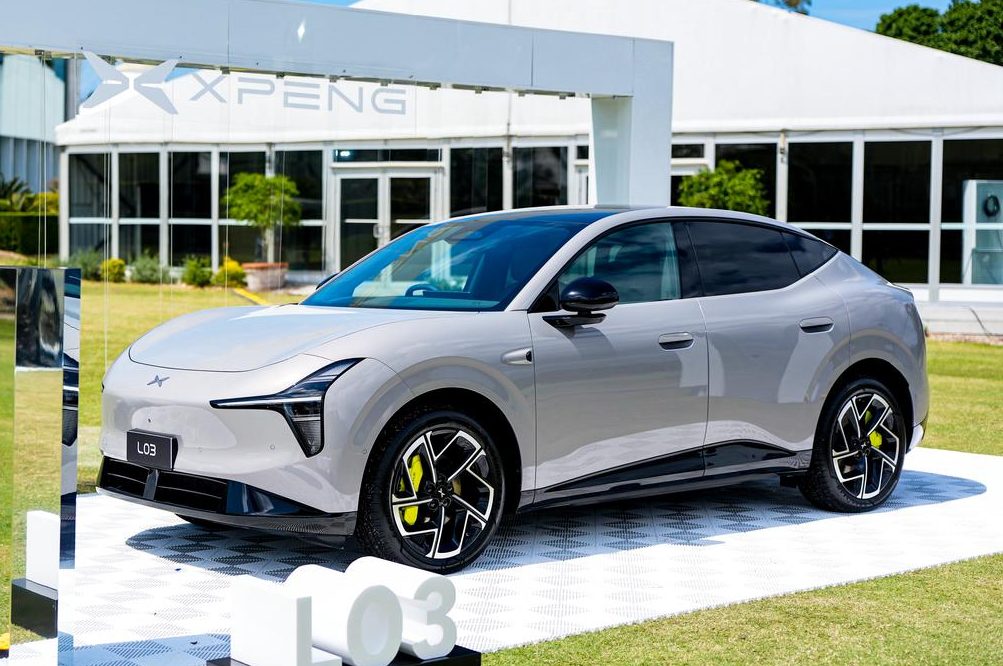
Last week, XPeng held the global launch event for the MONA L03 in Munich, Germany, where the company highlighted its second-generation VLA (Vision-Language-Action) intelligent driving foundation model.
The second-generation VLA adopts a pure-vision approach, generating vehicle control commands directly through large models without relying on high-definition maps or LiDAR.
The system has completed local road testing in Germany, adapting to complex European traffic environments including urban roads, narrow streets, and different traffic rule scenarios.
XPeng Chairman He Xiaopeng has completed local validation tests for the VLA 2.0 model in Germany. He said XPeng aims to become the first Chinese automaker to bring advanced intelligent driving technology into the European market.

Beyond intelligent driving, XPeng is also pushing forward Robotaxi commercialization. In July, He Xiaopeng completed XPeng Robotaxi’s first internal user trial. The process covered online booking, autonomous vehicle pickup, and trip completion, forming a complete closed-loop experience.
XPeng plans to launch Robotaxi pilot operations in the second half of this year, with a goal of advancing toward higher-level autonomous driving services around 2027.

The latest executive reshuffle also follows departures from XPeng’s robotics division, including robot business head Mi Liangchuan and senior robot product planning director Shi Xiaoxin. The changes come as XPeng prepares to move humanoid robots toward mass production and commercialization.
The Wall Street Journal previously reported that XPeng plans to lift monthly production capacity of its IRON humanoid robot above 1K units by the end of this year, preparing for global expansion around 2027.
Discover more from ChinaEVHome
Subscribe to get the latest posts sent to your email.