- Xiaomi-backed Hanxing Venture Capital took a 23.08% stake in Zhejiang Xinglixing New Energy with a ¥30M investment.
- The move positions Xiaomi strategically in China’s fast-growing battery-swap ecosystem without abandoning fast-charging vehicles.
- Xinglixing’s regional operator profile and Jinrui’s control suggest Xiaomi is buying market access and operational learning.
A recent corporate registration update showed Zhejiang Xinglixing New Energy Technology Co., Ltd. has completed a registered capital increase and shareholder restructuring.
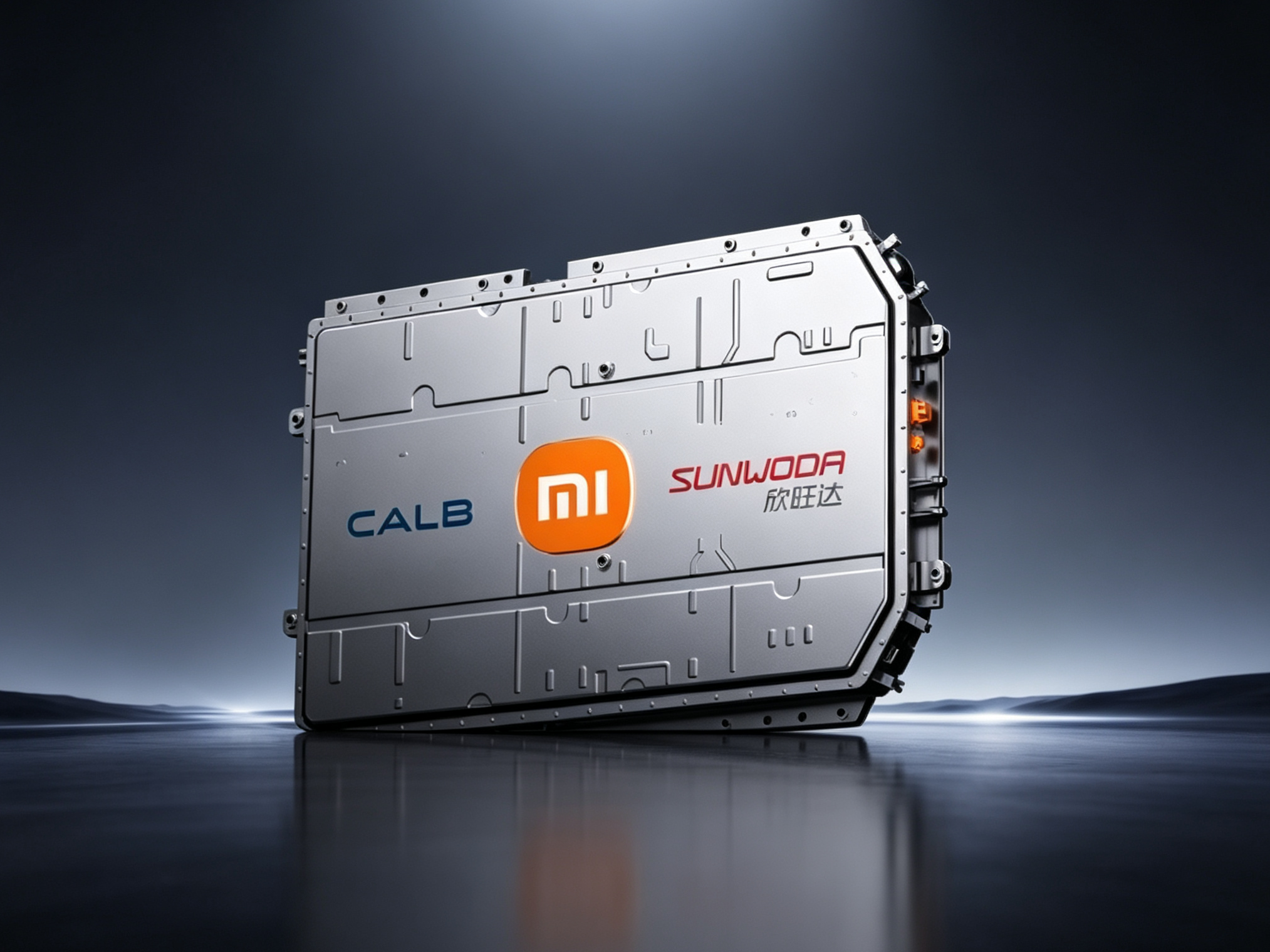
The company’s registered capital rose from 100M RMB ($14.8M) to 130M RMB ($19.3M), with Xiaomi-backed investment firm Hanxing Venture Capital added as a new shareholder.

Hanxing Venture Capital invested 30M RMB ($4.4M) for a 23.08% stake, marking Xiaomi’s first financial investment in the EV battery swapping operation sector.
Founded in February 2026, Zhejiang Xinglixing New Energy focuses on battery swap equipment, power batteries, station operations, battery asset management and related services. As a relatively new startup, the company remains at an early stage of development.
After the equity restructuring, Zhejiang Jinrui Automobile Sales Service Co., Ltd. remains the controlling shareholder with a 76.92% stake. Founded in 2007, Zhejiang Jinrui is a Hangzhou-based automotive service company with long-term operations in vehicle sales, dealership networks and after-sales services.
Based on its shareholder background, Xinglixing New Energy appears more like a regional battery swapping operator leveraging automotive service resources, rather than a pure technology-focused company.

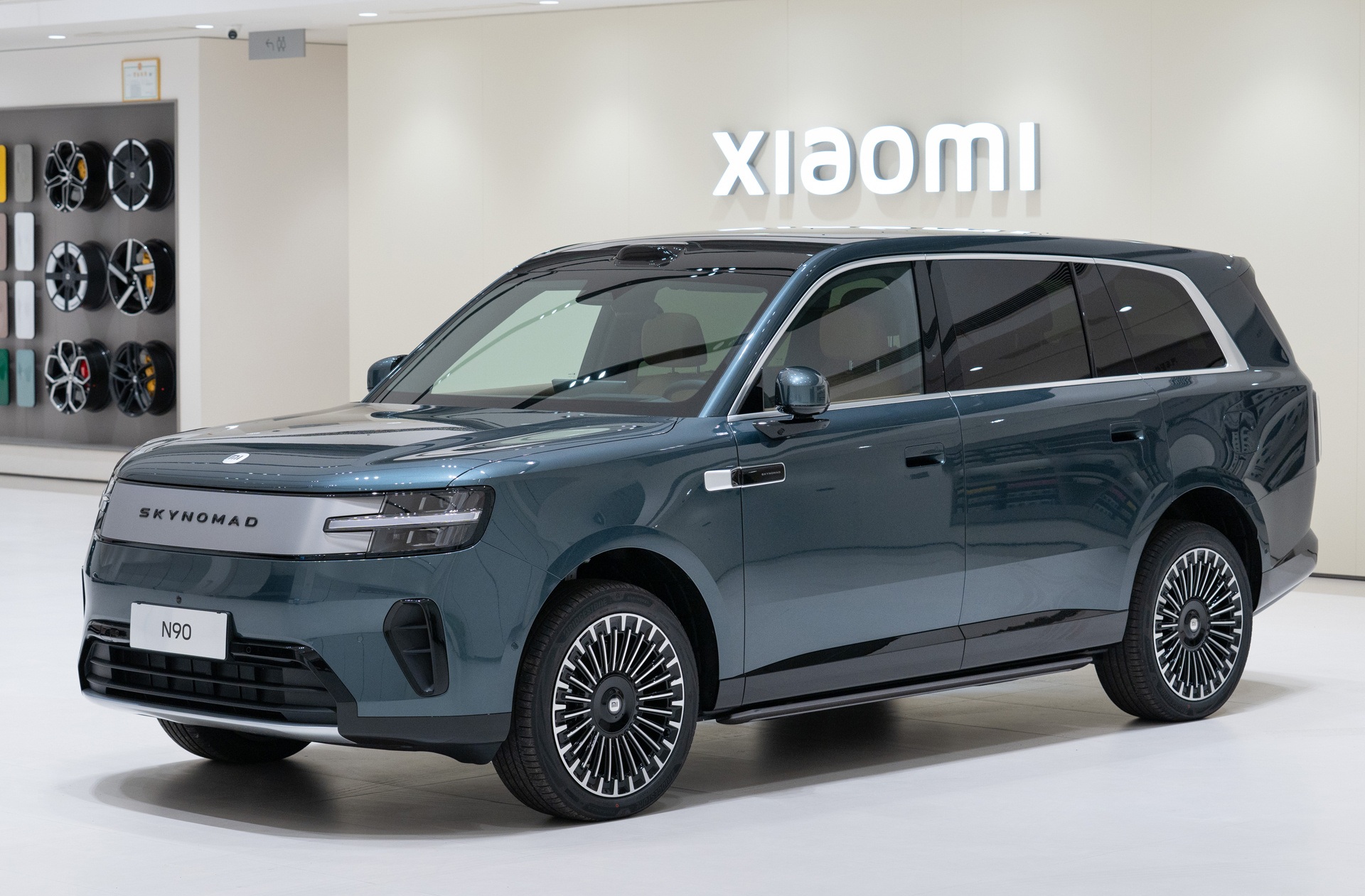
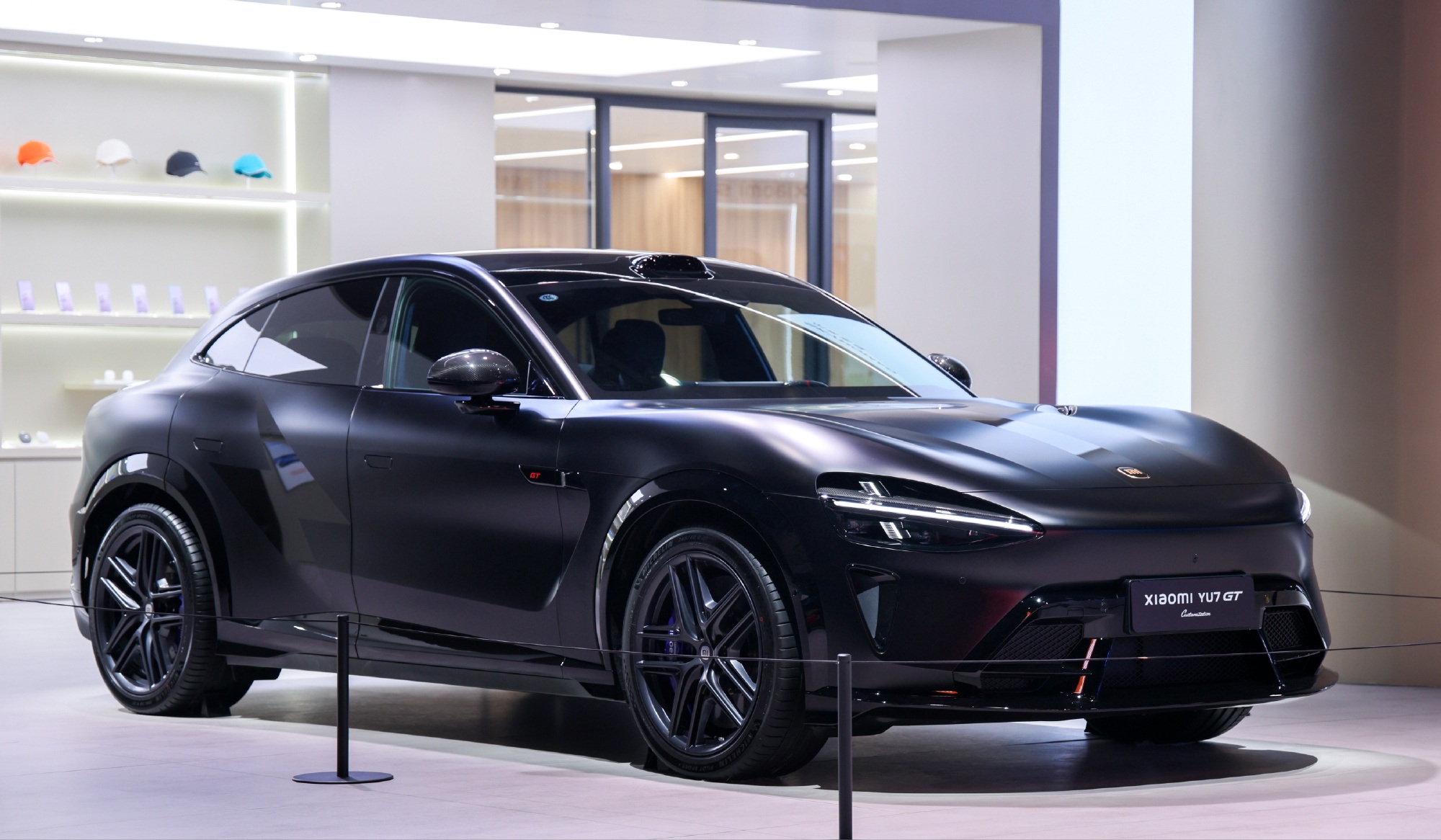
Currently, Xiaomi’s EV lineup, including the SU7 and YU7, relies mainly on fast-charging solutions. Xiaomi’s newly launched SkyNomad N70 Max and Pengcheng N90 Max are also range-extender SUVs, making them less compatible with battery swapping technology.
Therefore, the investment is widely viewed as Xiaomi’s strategic positioning in the battery swapping sector rather than an immediate shift toward swap-enabled vehicles.
As EV adoption continues to rise in China, demand for energy replenishment infrastructure is expanding rapidly. The battery swapping sector has gradually formed three major camps: automaker-led networks, open platforms backed by battery suppliers and independent third-party operators.
NIO remains the strongest player in China’s battery swapping market. By June 2026, NIO had built 9,003 battery charging and swapping stations, providing more than 200 million cumulative charging and swapping services. Its battery swap network and charging infrastructure remain among the largest in the industry.

In 2025, NIO generated around 3.1B RMB ($459.5M) in battery swapping service revenue, ranking first among domestic battery swap operators.
Beyond building its own network, NIO has also invested in third-party battery swapping companies. Through NIO Capital, the company invested a combined 400M RMB ($59.3M) in Aulton New Energy across two funding rounds. NIO Capital currently holds a 5.53% stake, making it the largest external shareholder.
CATL also entered the battery swapping market at the end of 2024 with its Choco-SEB battery swapping system, adopting an open platform strategy. The system provides standardized battery swapping solutions for automakers across the industry.
By May 2026, CATL had deployed 1,650 Choco-SEB swap stations across 127 cities. The company plans to exceed 3,000 stations by the end of 2026, expanding into highway networks and intercity travel scenarios.

On the vehicle partnership side, CATL’s Choco-SEB system has secured cooperation with 11 automakers covering 18 brands. A total of 25 battery-swappable models are planned, with six models already launched.
Overall, Xiaomi’s minority investment in a regional battery swapping operator appears focused on strategic positioning and market learning. The move is unlikely to change Xiaomi’s current fast-charging-focused energy strategy in the short term.
However, if Xinglixing New Energy expands its swapping network and develops strong regional operating capabilities, Xiaomi could potentially introduce dedicated battery-swappable models in the future, further expanding its EV energy ecosystem.
Discover more from ChinaEVHome
Subscribe to get the latest posts sent to your email.