- China-made vehicles captured 41.2% of South Korea’s imported-car market, overtaking Germany for the first time.
- China-made EV registrations jumped 178.7% to 69,513 units, comprising 35% of new EVs in H1 2026.
- Government subsidy rule changes have temporarily disqualified new BYD and Zeekr EVs from purchase incentives.
The Korea Automobile & Mobility Association (KAMA) said in a report released Tuesday that registrations of China-made electric vehicles in South Korea reached 69,513 units in the first half of 2026, up 178.7% year on year.
South Korea registered 198,509 new electric vehicles during the same period, an increase of 113.6% from a year earlier.

China-made models accounted for 35% of new EV registrations, up from 26.8% in the first half of 2025.
The shift was even more pronounced across the broader imported-car market. South Korea registered 850,636 new vehicles in the first half, up 1.3% year on year.
Imported vehicles, meanwhile, accounted for 192,703 registrations, an increase of 30%, giving them a 22.7% share of the overall South Korean market.
China-made imported vehicles, including both EVs and conventional internal-combustion models, accounted for 79,444 registrations, up 127.8% year on year.
When classified by country of production rather than the nationality of the brand owner, China-made vehicles accounted for 41.2% of South Korea’s imported-car market.

This overtakes Germany for the first time to become the country’s largest source of imported vehicles.
Under this methodology, Tesla vehicles produced at the company’s Shanghai Gigafactory were one of the key sources of growth for China-made vehicles.
Models produced in China by BYD, Polestar and other automakers also contributed to the increase.
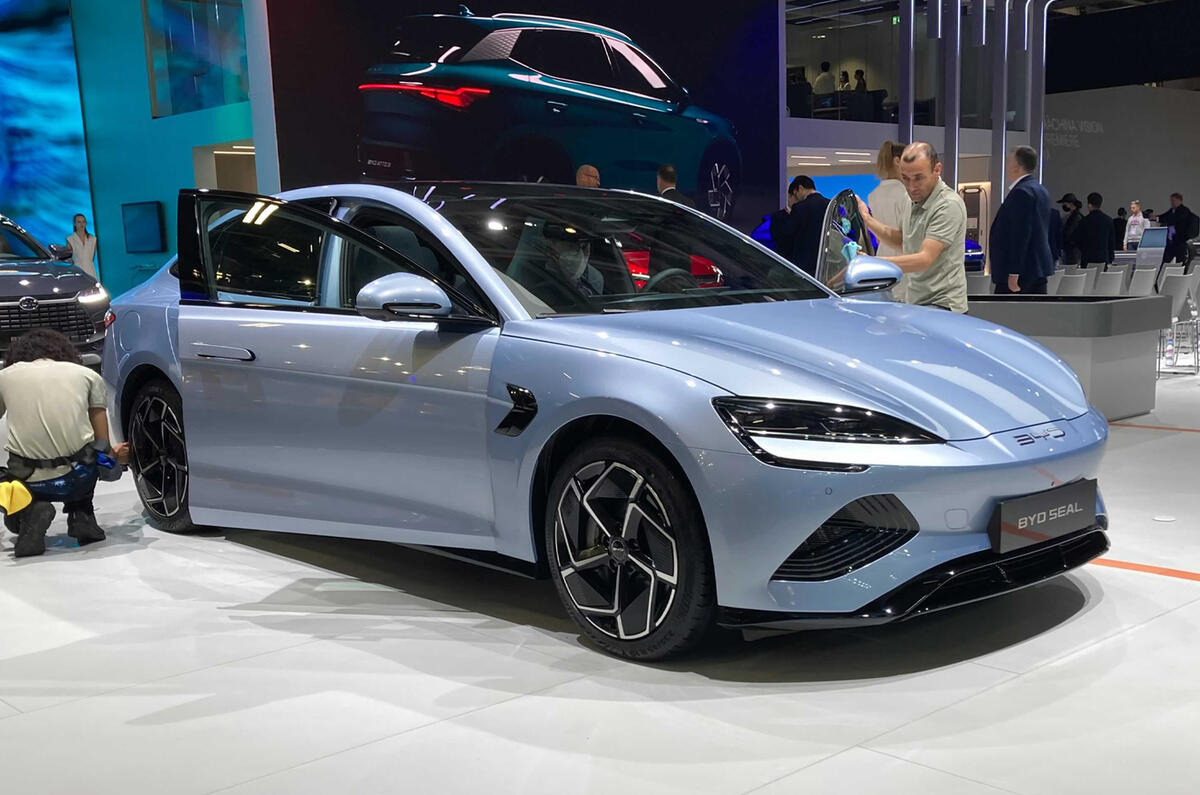
Data from the Korea Automobile Importers & Distributors Association (KAIDA) showed that BYD registered 11,675 vehicles in South Korea during the first half of the year, up 807.9% year on year.
The Chinese automaker ranked fourth among imported brands, behind Tesla, BMW and Mercedes-Benz.

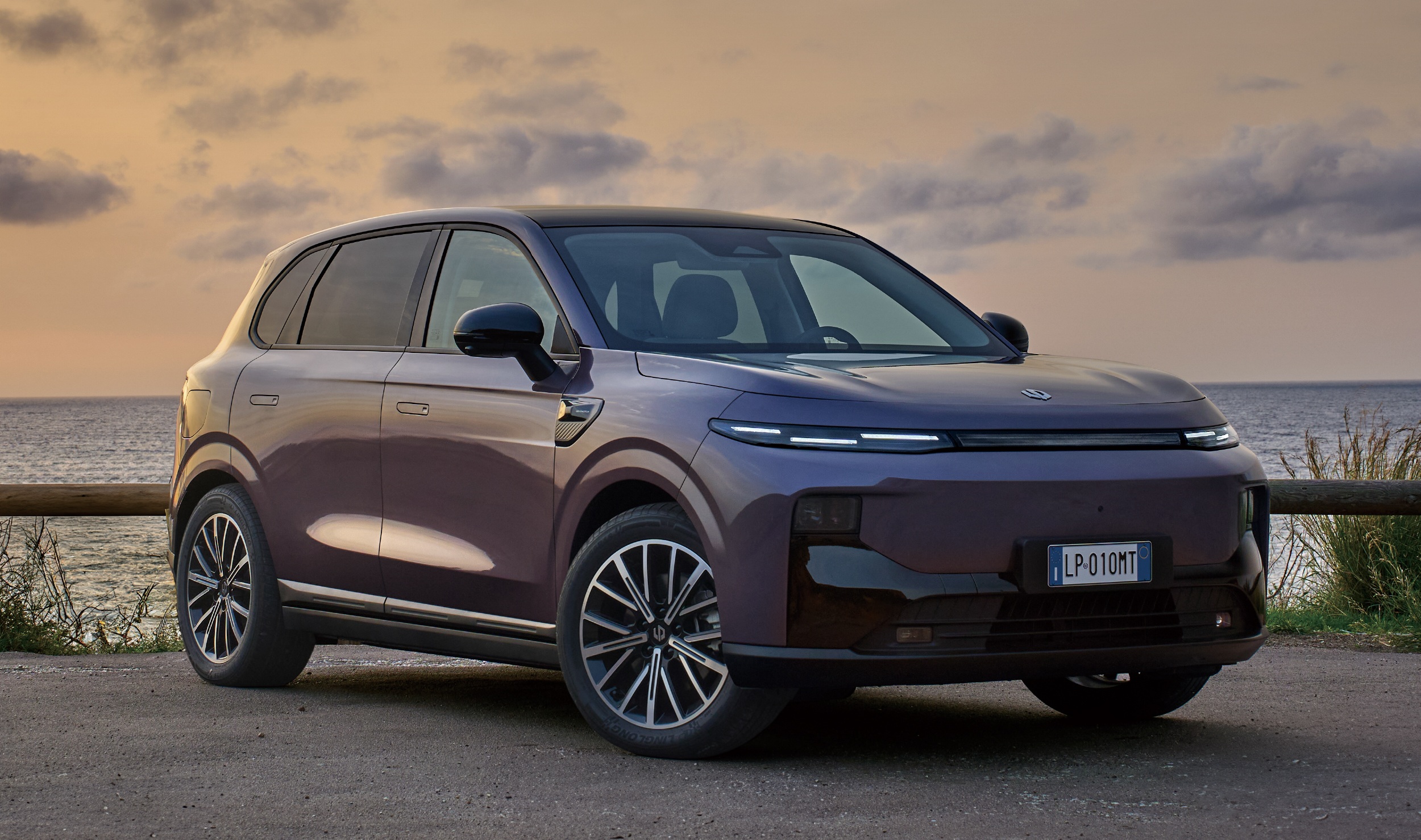
Zeekr has yet to enter the mass-delivery phase in South Korea, but its 7X has already attracted some interest in the market.
The model opened for pre-orders in June, with the entry-level version priced at 52.99 million won ($37,400), and monthly orders surpassed 1,000 units.
However, the expansion of Chinese brands in South Korea is facing a new policy variable.
South Korea revised its eligibility assessment for EV subsidies in June. BYD took part in the evaluation but failed to meet the qualifying score.
The Zeekr 7X, despite receiving model certification at the end of May, missed the subsidy application window.
As a result, new pure-electric models from BYD and Zeekr have been temporarily ineligible for South Korean government purchase subsidies since July 1.
Discover more from ChinaEVHome
Subscribe to get the latest posts sent to your email.