- Fangchengbao opens Formula S preorders at 230K–280K RMB, undercutting earlier price estimates and Xiaomi SU7.
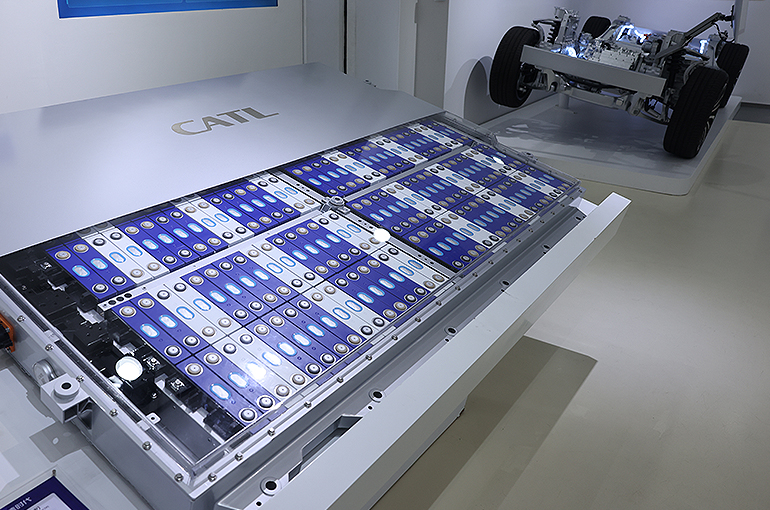
- Formula S lineup packs RWD/AWD up to 300 kW, 730–900 km CLTC range, and BYD's second-gen Blade Battery.
- Fangchengbao targets youthful sport-sedan buyers with shooting-brake option and performance-focused chassis tech.
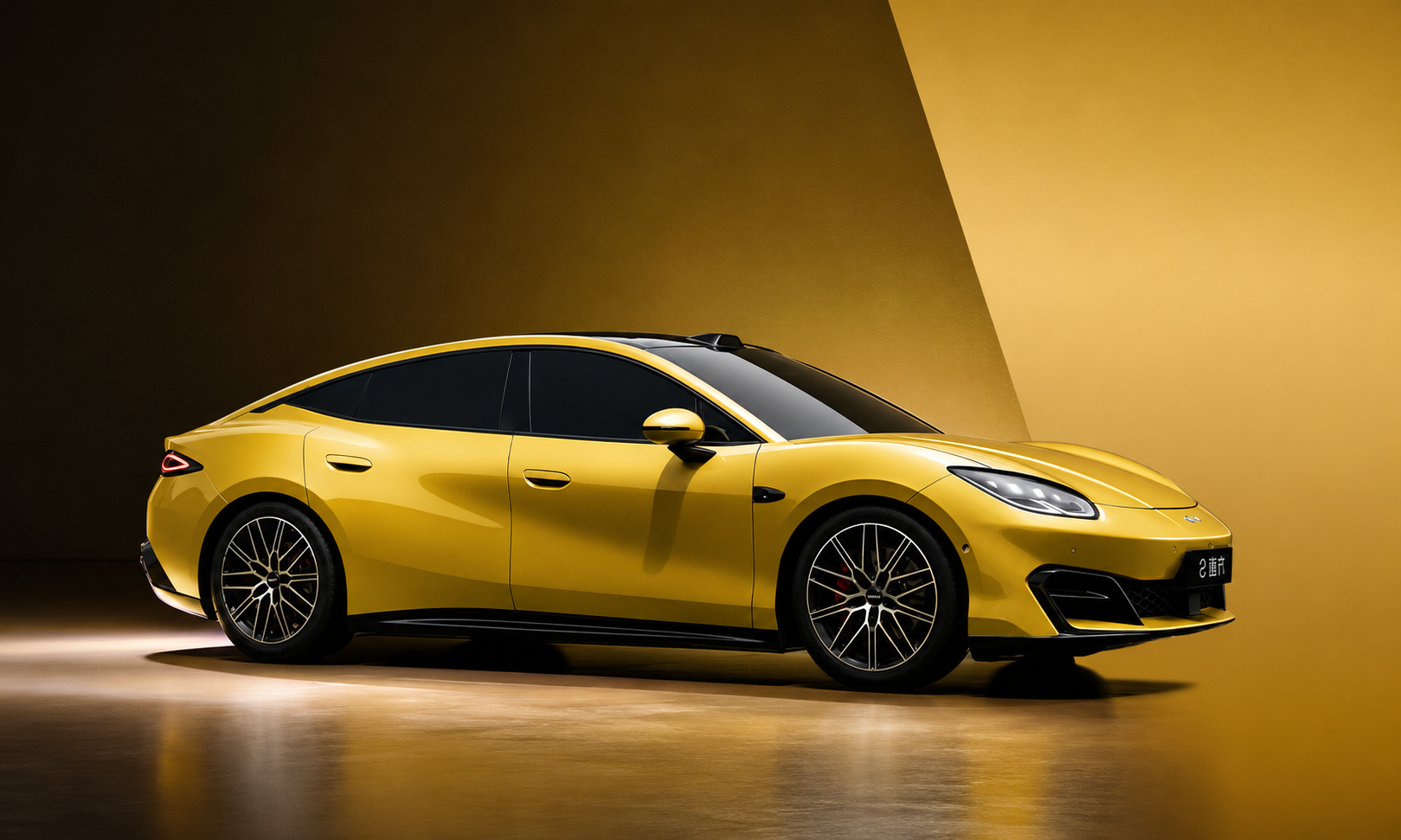
BYD’s Fangchengbao has opened preorders for the Formula S and Formula S GT at 230K–280K RMB ($34.2K–$41.6K). Both models will debut at the Chengdu Auto Show on Aug. 21.
The preorder range comes below the market’s earlier estimate of 250K–300K RMB ($37.2K–$44.6K), lowering the entry point for Fangchengbao’s new sedan lineup.

Formula S is Fangchengbao’s third product line. It targets what the brand calls “personalized sedans for all scenarios.” Formula S uses a conventional three-box body; Formula S GT adopts a shooting-brake design.
Both models feature a low-slung, wide-body stance. Wheelbase stands at 2,960 mm. Formula S measures 5,060 mm in length, 1,967 mm in width and 1,483 mm in height. Formula S GT measures either 5,025 mm or 5,095 mm in length, depending on the body version.
The lineup offers rear-wheel drive and all-wheel drive. RWD versions use 245 kW or 300 kW motors. AWD versions pair a 190 kW front motor with a 300 kW rear motor. Both models use BYD’s second-generation Blade Battery. CLTC range spans 730 km to 900 km.

For handling, the Formula S lineup gets DiSus-M intelligent magnetorheological suspension, with double-wishbone front suspension and a five-link independent rear setup. The suspension system previously featured on Denza Z, which also took the model to the Nürburgring.
The new cars also get BYD’s God’s Eye B advanced driver-assistance system. The cabin adopts the next-generation Smart Ecosystem 2.0, using PIN, magnetic and threaded interfaces to support more add-on functions.
Formula S is aimed directly at Xiaomi SU7, one of the segment’s volume leaders. It also goes head-to-head with SAIC Z7, which offers both sedan and shooting-brake variants.
Xiaomi SU7 currently starts at 219.9K RMB ($32.7K). Pro and Max versions are priced at 249.9K RMB ($37.2K) and 303.9K RMB ($45.2K), respectively.
SAIC Z7 is priced at 219.8K–299.8K RMB ($32.7K–$44.6K), while shooting-brake SAIC Z7T starts at 229.8K RMB ($34.2K) and tops out at 309.8K RMB ($46.1K).

The overlap is clear. Formula S, Xiaomi SU7, SAIC Z7 and SAIC Z7T sit in a similar price band, size class and product niche. Their shooting-brake variants also target younger buyers seeking sportier styling without giving up usable cabin and cargo space.
Xiaomi has already shown that 200K RMB-class electric sport sedans can become volume sellers. The Xiaomi SU7 launched in March 2024, with sales nearing 140K units that year. Volume rose further to about 258K units in 2025.
SU7 also changed the competitive playbook in the segment. 200K RMB-class sedans once focused mainly on family use and comfort. Xiaomi shifted the pitch toward styling, driving dynamics, performance and smart features, turning looks and driving fun into core selling points.
SAIC Z7 offers another sign of the shift. Deliveries began in April, with 860 units that month. Volume rose to 1,176 units in May, 6,296 in June, and 6,225 in July. Cumulative deliveries reached about 14.5K units in four months.

Shooting-brake SAIC Z7T has also gained pace since deliveries began in May. Monthly volume reached 949 units in May, 4,030 in June, and 2,917 in July.
In the crowded 200K RMB-class sedan market, the SAIC Z7 lineup has kept monthly deliveries near 10K units for two straight months, backed by its sedan and shooting-brake variants.
Formula S is effectively taking the same route. Fangchengbao is pairing the format with BYD’s strengths in batteries, electric drive, charging speed and chassis technology, putting more weight on performance.
The 230K–280K RMB ($34.2K–$41.6K) figure is only the preorder range. The final launch price could fall further.
Discover more from ChinaEVHome
Subscribe to get the latest posts sent to your email.