- CATL and Chery formed a second joint venture in 2026, deepening cooperation to secure battery supply chains and battery-swap network integration amid intense EV price and scale competition.
- The new CATL Chery (Wuhu) JV registered capital RMB 1 billion (about $149.45 million), CATL holds 51% and Chery 49%; Hefei Times Chery earlier registered RMB 2 billion (about $298.3 million) targeting 40 GWh first-phase capacity.
- Targets direct competition with mass-market Chinese EV makers and swap-network operators, but execution risks include unclear Wuhu capacity, timing on Hefei ramp, supply constraints and margin pressure.
CATL Chery (Wuhu) New Energy Technology Co., Ltd. has been officially registered with capital of RMB 1 billion ($149.45 million), according to Qichacha business registration data.
CATL holds a 51% stake in the company, while Chery Automobile owns the remaining 49%, giving CATL control of the joint venture.
The company’s business scope covers battery manufacturing, the production and sale of battery components, energy storage technology services and development, and the import and export of goods.

This is the second battery joint venture established by CATL and Chery in 2026.
In February, the two companies set up Times Chery in Hefei with registered capital of RMB 2 billion ($298.3 million).
The Hefei project’s first phase is planned to have annual production capacity of 40 GWh. Located in Chaohu, Hefei, it was originally scheduled to begin operations in August 2026.
The establishment of the new Wuhu company extends the partnership, although details of its project plans and production capacity have not yet been disclosed.
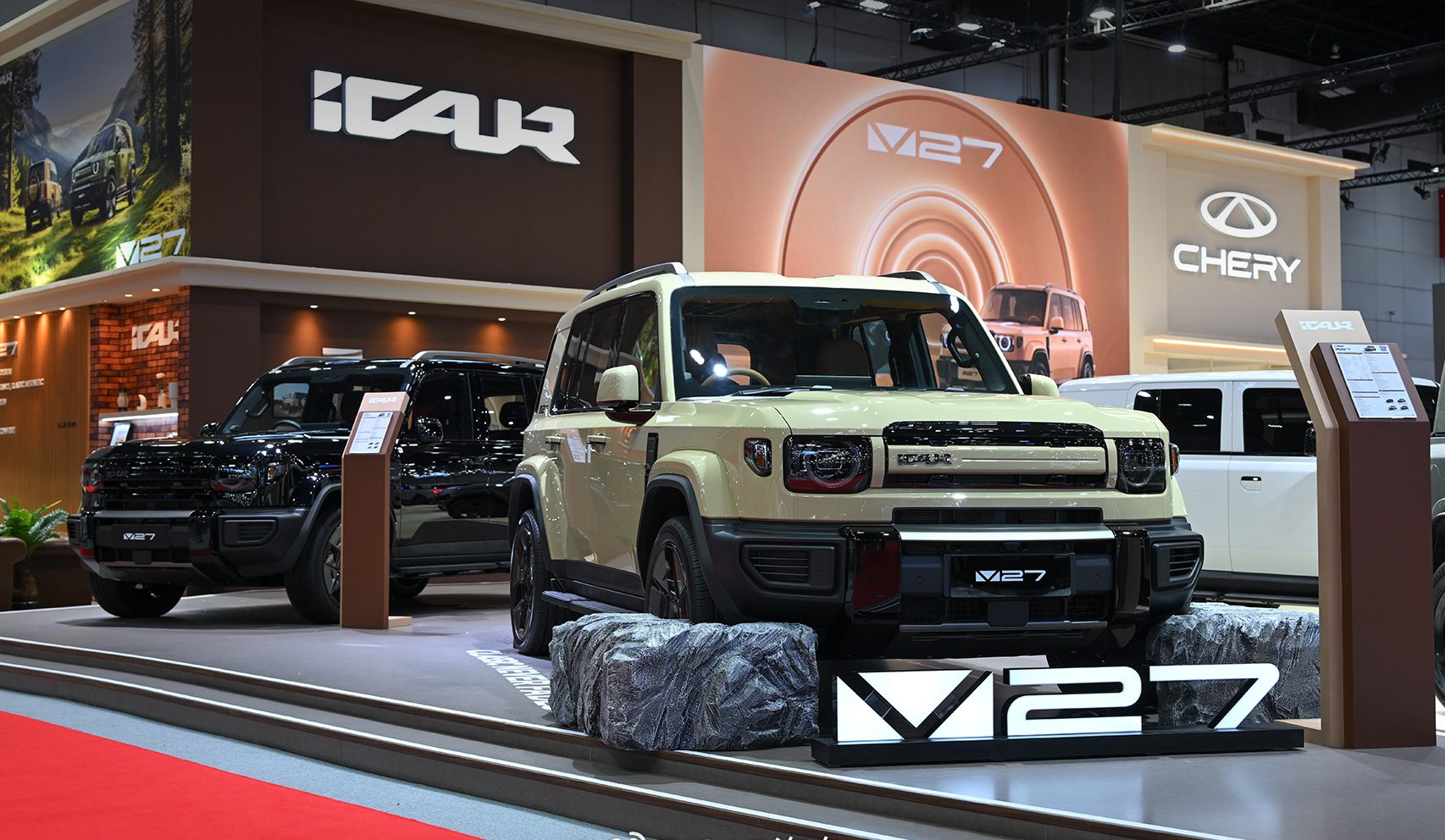
CATL and Chery first jointly unveiled the ENER-Q battery brand at the iCAR brand event in April 2023.
They also announced that CATL’s sodium-ion batteries would make their debut in Chery vehicles.

In April 2026, Chery, CATL, Times Electric Service and Chery Green Energy signed an agreement to jointly develop an integrated charging and battery-swapping network.
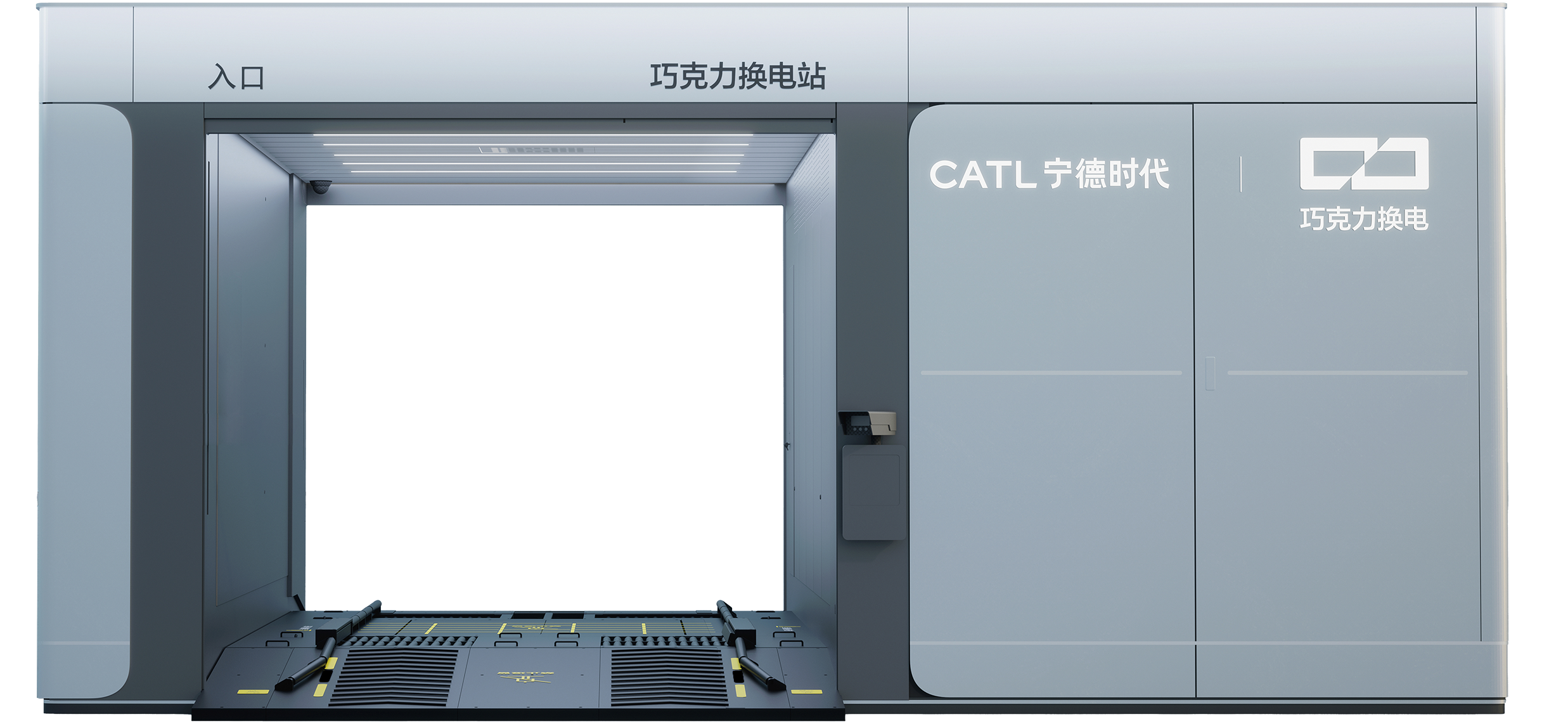
Chery plans to incorporate CATL’s Choco-Swap battery-swapping system into its vehicles.
By the end of September 2026, Choco-Swap had built 2,520 battery-swapping stations across all 31 provincial-level regions in China, with a target of expanding the network to 3,000 stations by year-end.
Alongside its partnership with CATL, Chery is also developing its own battery technology.
At its Battery Night event in March, the automaker unveiled its self-developed Rhino battery system, comprising three series: H for hybrid vehicles, E for battery-electric vehicles and S for solid-state batteries.
The portfolio spans liquid, semi-solid-state and all-solid-state technologies.
Rhino batteries are already being used in production models including the new QQ3, Fulwin A9 and T7.

Chery has planned annual production capacity of 20 GWh for the system, with full capacity targeted by the end of 2027.
At this morning’s 2026 Chery Global Innovation Conference, Chery announced its Rhino S solid-state battery delivers an energy density of 400 Wh/kg, with the battery pilot production line scheduled to go online in 2027.
Chery also unveiled the world’s first commercial E-Fuel power-generation product: a hydrogen-fueled SOFC (Solid Oxide Fuel Cell).
Chery is pursuing two parallel strategies: working with CATL through joint ventures and battery procurement to secure manufacturing, supply and battery-swapping support, while continuing to develop its own Rhino battery system to retain control over future technology development.
Discover more from ChinaEVHome
Subscribe to get the latest posts sent to your email.