- SVOLT has started mass production of 100‑kWh Dragon Armor hybrid solid-liquid battery packs, signaling a shift toward faster-charging, longer-life chemistries to win share from automakers pursuing higher-performance EVs.
- The pack supports 900V, 6C ultra-fast charging, adds energy for 500 km in 12 minutes, claims >3,000 cycles (~1 million km theoretical life) and SVOLT reported 22.0 GWh global installations in Jan–Aug 2026.
- Targets OEMs pursuing premium long-range and fast-charge segments, but execution risks include supplier scaling, verification of longevity claims, vehicle integration timing, and evolving regulatory standards.
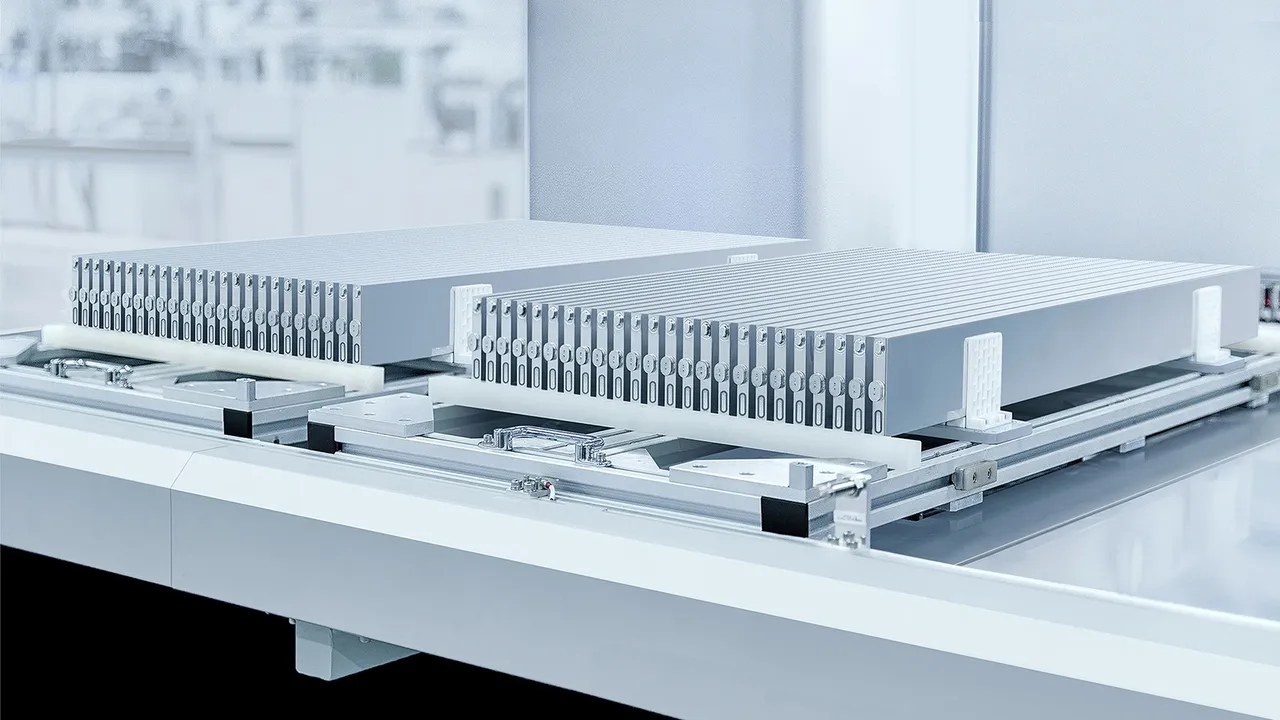
Chinese power battery maker SVOLT has begun mass production of its first batch of 100-kWh Dragon Armor hybrid solid-liquid fast-charging battery packs at its Changzhou facility.
A company executive said the battery was engineered around three priorities for EV buyers: safety, charging speed and service life.

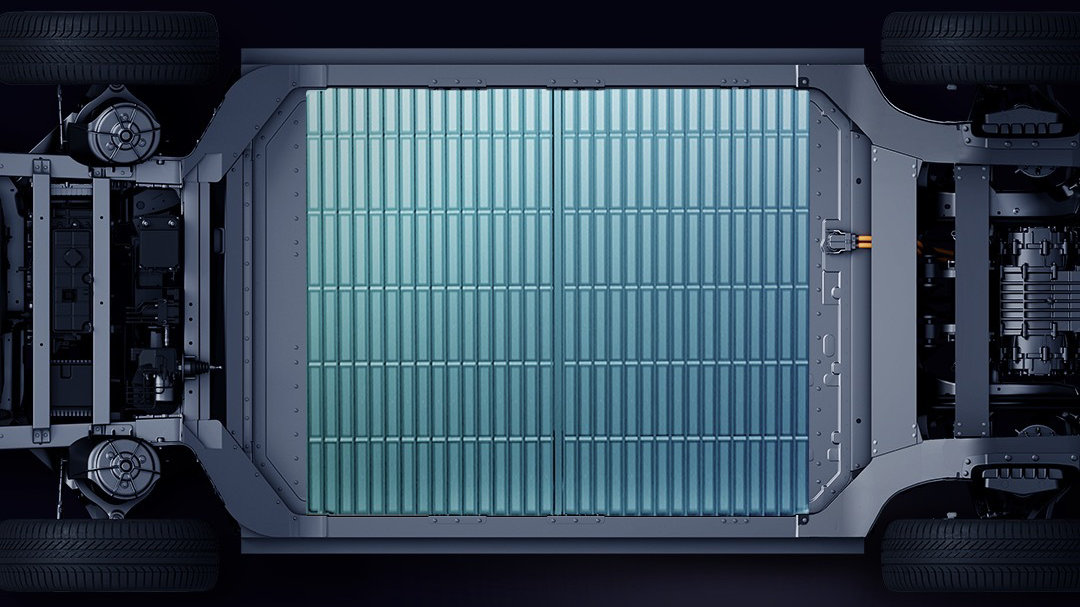
The cells use SVOLT’s proprietary diaphragm-transfer hybrid solid-liquid technology, which the company says improves intrinsic battery safety. The pack’s underside features a six-layer armored structure with impact resistance three times the level required by China’s national standard.
For charging performance and longevity, the battery uses a dual-layer liquid-cooling system and supports 900V, 6C ultra-fast charging. It can add enough energy for 500 km of driving in 12 minutes. The cells also use high-speed disc technology to deliver a cycle life of more than 3,000 cycles, equivalent to a theoretical driving range of over 1 million km.
SVOLT sees hybrid solid-liquid batteries not as a short-term transitional technology, but as a long-term mainstream route for future battery-electric vehicles, particularly those using ternary lithium chemistry. The company plans to advance along a development path from hybrid solid-liquid batteries to all-solid-state batteries.

The executive added that the battery has already been selected by multiple automakers for use in upcoming models, which will be announced soon.
China is also moving toward a clearer regulatory framework for solid-state batteries. In December 2025, a draft national standard on solid-state batteries entered public consultation. It recognizes “semi-solid-state battery” as an acceptable term for “hybrid solid-liquid battery,” and “all-solid-state battery” for “solid-state battery.”
In other words, what the industry commonly calls a semi-solid-state battery falls under the hybrid solid-liquid technology category.
Across the industry, Chinese automakers and battery makers are accelerating solid-state battery development and commercialization.
BYD plans to launch its first model using its own solid-state battery technology in 2027, initially as a technology-validation and demonstration vehicle. Its 2-GWh pilot line in Pingshan, Shenzhen, began operations in February 2026, while construction of a planned 20-GWh production line in Bishan, Chongqing, is scheduled to begin in the third quarter of 2026.

Dongfeng Group plans to unveil its independently developed 350-Wh/kg hybrid solid-liquid battery in October, with mass production and vehicle installation scheduled for the fourth quarter of 2026.
In January, FAW Hongqi and its partners completed a prototype vehicle equipped with an all-solid-state battery pack. The group plans to begin mass production and vehicle installation by the end of 2027.

As battery technologies and products accelerate deployment, SVOLT’s global installation volume also continues to grow.
According to the latest data from SNE Research, SVOLT’s global power battery installations reached 22.0 GWh in the first eight months of 2026, up 39.3% YoY, ranking ninth worldwide.
Discover more from ChinaEVHome
Subscribe to get the latest posts sent to your email.