Recently, Candice Yuan, Senior Director of Autonomous Driving Products at XPeng, stated that the so-called “long-range detection advantage” of LiDAR is a misleading concept, sparking a heated discussion on sensor technology choices.

Candice Yuan comprehensively analyzed the limitations of LiDAR in long-range detection from three technical perspectives. Physically, she noted that LiDAR uses near-infrared light for ranging, but signal intensity decays rapidly with the inverse square of distance. At long ranges, both echo signal strength and point cloud density drop significantly. In terms of environmental adaptability, LiDAR is prone to multipath effects in complex environments, leading to signal aliasing and misjudgment due to multiple reflections. Additionally, LiDAR’s lower refresh rate compared to cameras results in reduced accuracy in identifying dynamic objects at high speeds. Regarding data processing efficiency, LiDAR is highly sensitive to weather conditions like rain and fog, with effective detection range drastically shortened in extreme weather such as heavy rain. From a commercial standpoint, the procurement cost of a single LiDAR unit remains relatively high.
However, LiDAR holds distinct advantages in nighttime detection, low-height obstacle recognition, and irregular object identification. When detecting irregular obstacles, LiDAR responds faster than pure vision-based systems, helping reduce false braking rates on urban roads.
Meanwhile, Rocky Liu, former Senior Director of Autonomous Driving Products at XPeng, highlighted three pros and cons of LiDAR.

LiDAR drawbacks include:
- High cost: LiDAR units are significantly more expensive than other sensors, increasing the overall cost of autonomous driving systems.
- Insufficient long-range resolution: At greater distances, LiDAR’s point cloud data becomes sparse, impairing recognition capabilities.
- Shorter lifespan: LiDAR is more sensitive to environmental conditions, leading to a comparatively shorter operational lifespan.
Despite these limitations, LiDAR retains notable advantages:
- Active illumination: It operates effectively in total darkness without relying on external light sources.
- Precise ranging: Its Time-of-Flight (ToF) technology outperforms other sensors in measurement accuracy.
- Consumer perception: Vehicles equipped with LiDAR are often viewed as more appealing in the market, providing a competitive sales edge.
The discussions from both executives also shed light on the technical rationale behind XPeng’s shift from LiDAR to a pure vision-based approach.
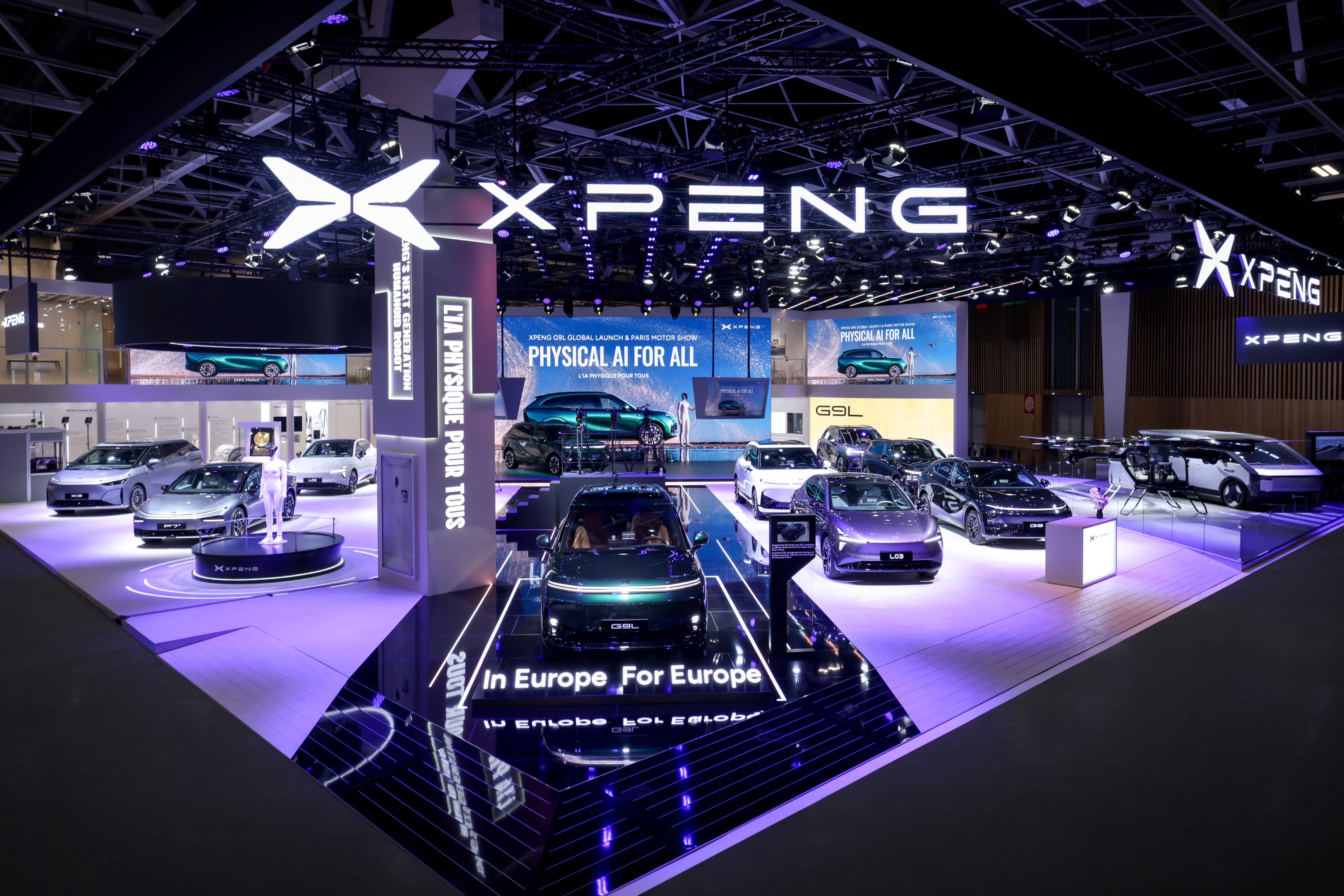
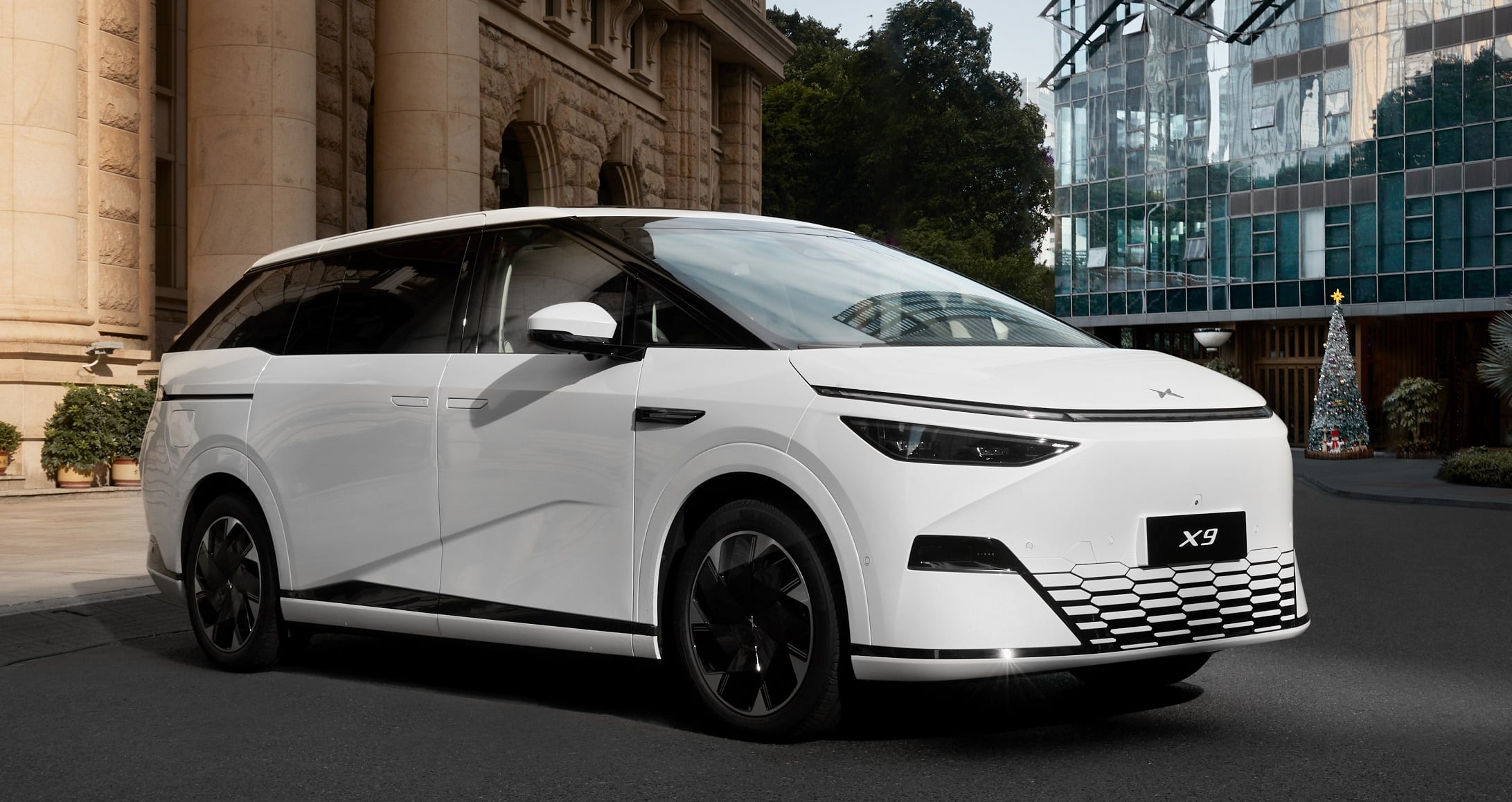
When XPeng launched the P7+ model in July 2024, LiDAR was removed in favor of a pure vision system. Subsequent releases, including the G6 and the 2025 refreshed G9, also eliminated LiDAR from prior versions. Compared to LiDAR, the pure vision approach offers the following advantages:
- High-resolution cameras provide dense information, enabling precise capture of target morphology at long distances.
- End-to-end model optimization allows multimodal data fusion, reducing reliance on single sensors.
- An 8-camera setup significantly lowers hardware costs, reduces vehicle weight, and improves range.
However, whether pure vision systems outperform LiDAR remains an open question in the industry.
Discover more from ChinaEVHome
Subscribe to get the latest posts sent to your email.