With the large-scale popularization of new energy vehicles, the first batch of “early adopters” are gradually facing a practical problem: the battery life is running out, and the cost of repair or replacement is astonishingly high.

Recently, many new energy vehicle owners have complained about the high cost of battery replacement on social media platforms, sparking widespread discussions.
According to relevant regulations from the Ministry of Industry and Information Technology, since 2016, automakers have been required to provide a warranty period of “8 years or 120,000 kilometers” for core components such as power batteries. In other words, the first batch of new energy vehicles are now gradually entering the “post-warranty period,” and the cost of repairs will have to be borne by the car owners themselves.

For example, a Tesla Model S owner shared his experience: with an 8.5-year-old car, the original range of 400 kilometers has dropped to 100 kilometers. After inspection, he was told that repairing the battery would cost 160,000 yuan, while replacing the entire battery pack would be as high as 220,000 yuan—a price that is enough to buy a new car.
This has put many car owners in a dilemma: on one hand, they are reluctant to spend a large sum of money on battery repairs, fearing that the effect will be limited and the battery will continue to degrade in a short time; on the other hand, they want to sell the car, but the value of the vehicle is greatly reduced due to battery aging, and the second-hand market is almost deserted.
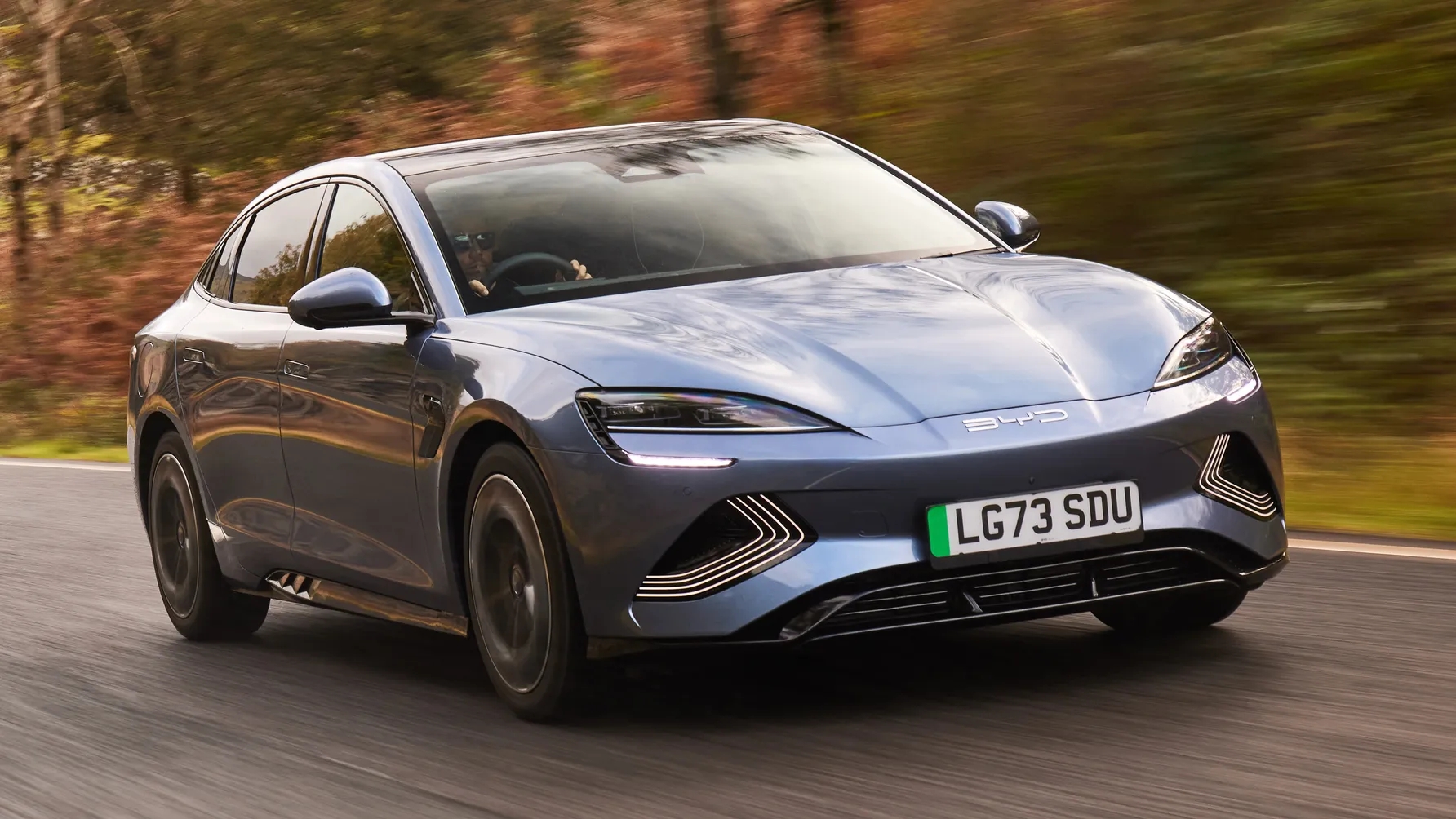
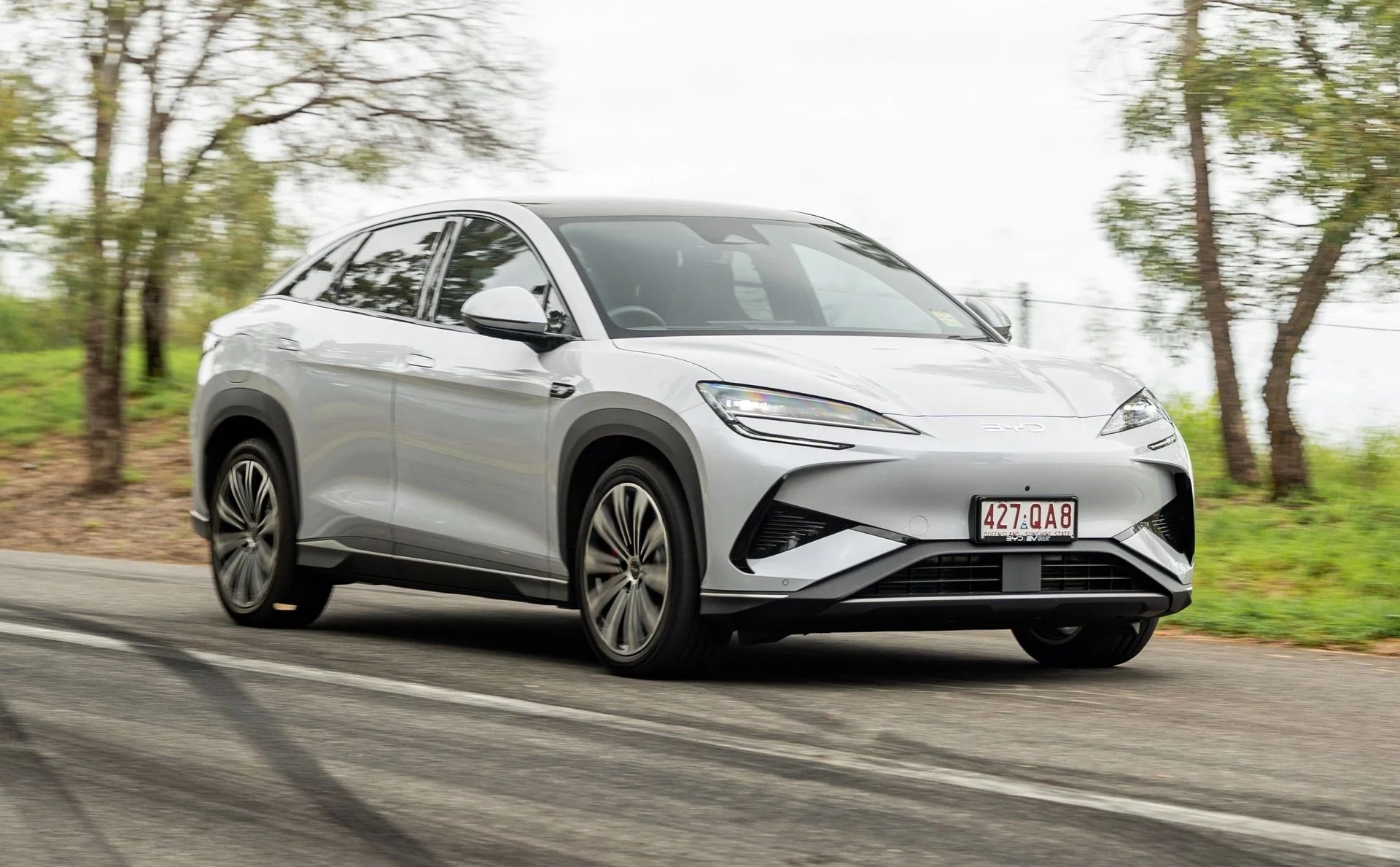
Why is replacing a battery so expensive? The reason is straightforward: the power battery is the “heart” of a new energy vehicle, and its cost accounts for 40% or even more of the total vehicle price. For example, the cost of replacing a blade battery for a BYD Han, which is priced at 180,000 yuan, is 140,000 yuan; the new battery pack for Model S ranges from 150,000 to 220,000 yuan, and even a second-hand battery costs more than 100,000 yuan.
Statistics show that within the next eight years, nearly 20 million new energy vehicles in China will successively face the expiration of battery warranty periods. The high threshold for battery replacement discourages many users, directly affecting the vehicle’s life cycle and residual value.
To alleviate such anxiety, some automakers have begun to explore “separation of vehicle and battery” solutions. The most typical example is NIO, whose BaaS (Battery as a Service) model allows users to pay a fixed monthly rent for battery swapping instead of purchasing the battery outright. In this way, users can avoid high replacement costs and the risk of battery degradation, with maintenance and depreciation covered by the automaker.

However, the reality is that this kind of model has not yet become the mainstream in the industry. As the first batch of new energy vehicles enter the aging stage, the discussion on “who is responsible for the battery” has only just begun.
Discover more from ChinaEVHome
Subscribe to get the latest posts sent to your email.