During Xiaomi’s Q1 2025 earnings call, Lu Weibing—Partner and President of Xiaomi Group—made an unusually bold remark: “It’s been quite a while since the SU7 launched, and we’ve yet to see a real competitor.”

While his words may sound provocative, the numbers offer some validation.
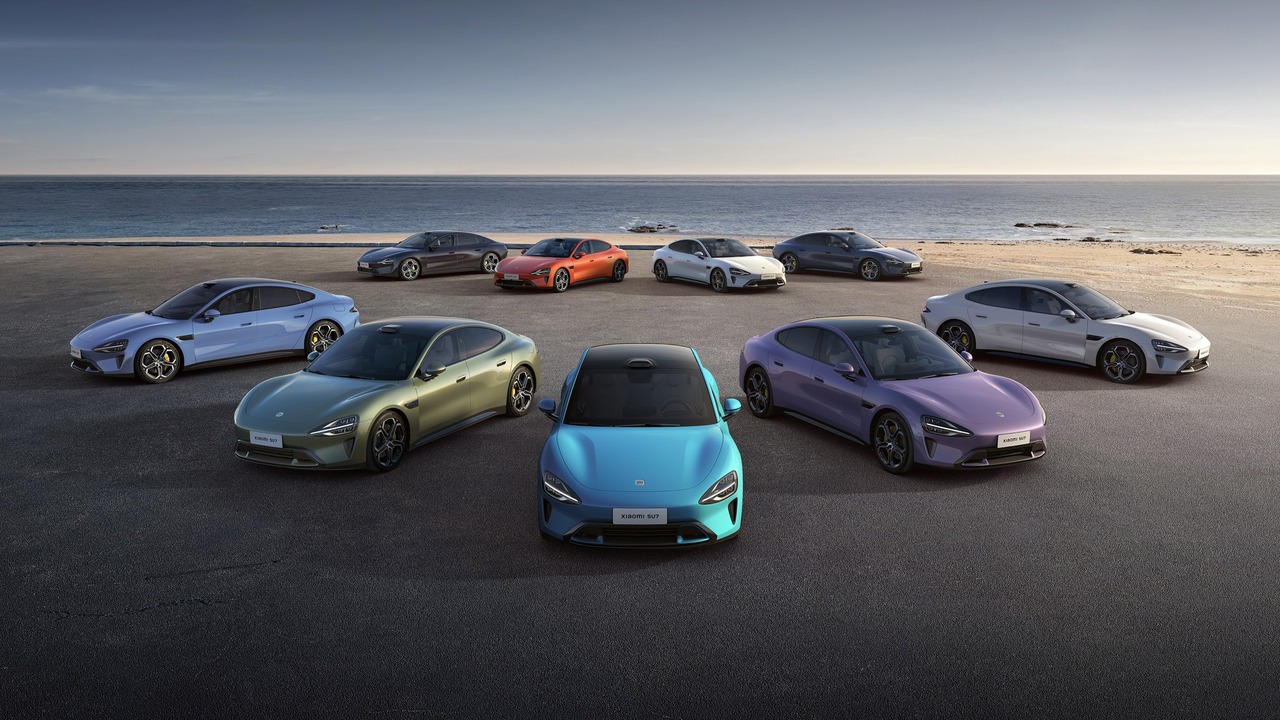
Since deliveries began on April 3, the Xiaomi SU7 recorded 7,058 units in its first month, with momentum continuing to build. By year-end, total deliveries exceeded 135,000 units.

According to April 2025 retail sales data compiled by Yiche, the SU7 reached 26,223 units for the month, ranking fourth among all new energy vehicles in China.
Xiaomi’s main benchmark, Tesla, sold 28,731 vehicles in China in April—a year-over-year decline of 8.6% and a dramatic 61% drop from March. Tesla’s Model 3 accounted for just 8,747 of those units.

The SU7’s success owes much to the Xiaomi brand’s influence, but it also reflects the car’s product positioning and pricing strategy.
For most consumers, the SU7 offers an attractive design, better features than the Model 3, and a more affordable price point—making it an easy choice.
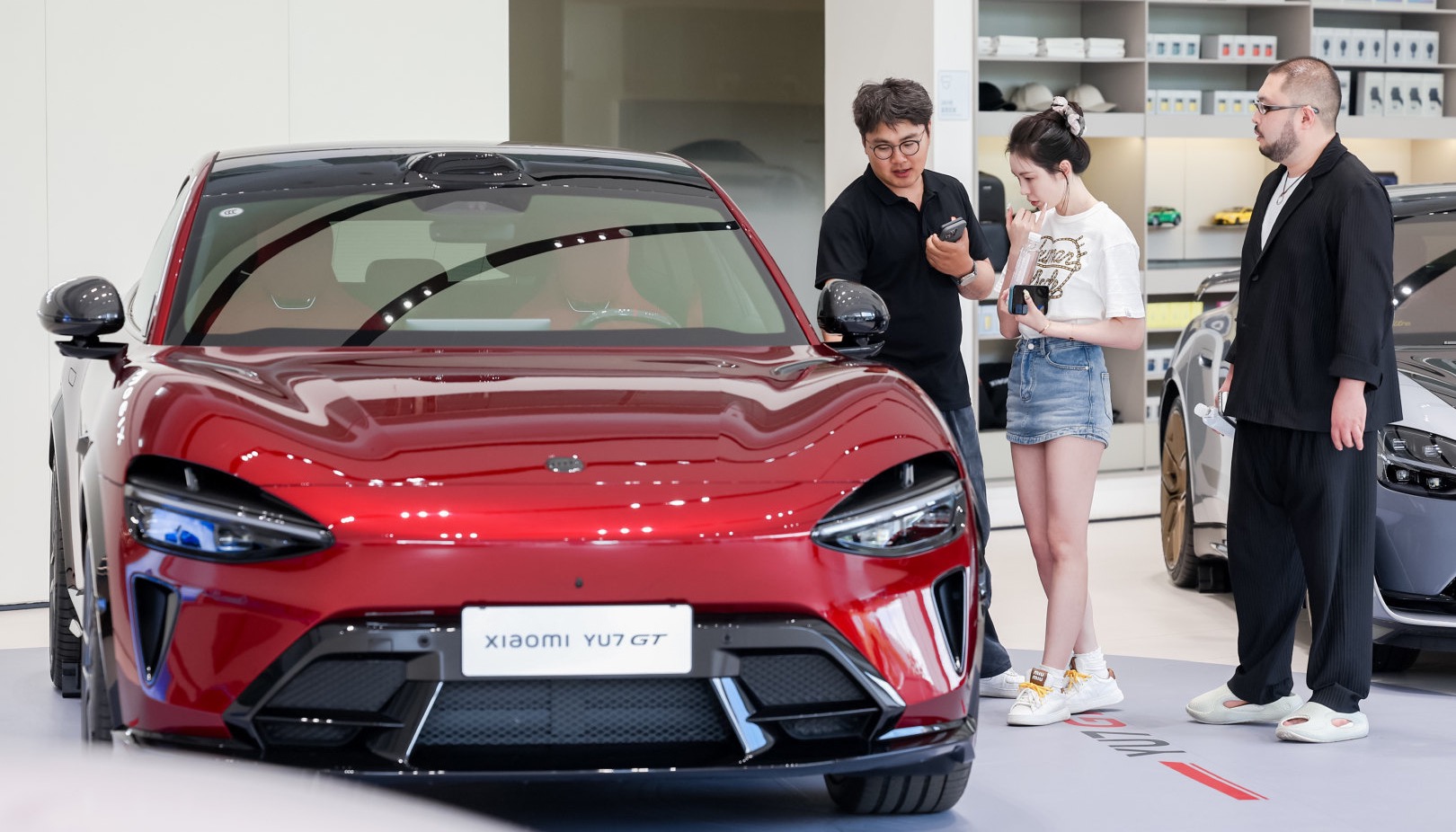
Toward the end of the call, Lu also expressed strong confidence in Xiaomi’s upcoming model, the YU7. This mid-size all-electric SUV is positioned as Xiaomi’s direct challenge to the Tesla Model Y.

Looking at current trends, Xiaomi’s approach is clear: win over customers with eye-catching design—even if controversial—and capture market share through aggressive pricing, even at the cost of lower margins.
In a vehicle priced just above ¥200,000, Xiaomi delivers aesthetics inspired by million-yuan sports cars and performance on par with premium brands. For consumers, it’s an irresistible proposition—and it’s exactly how Xiaomi has carved out a place in China’s highly competitive EV market.
Discover more from ChinaEVHome
Subscribe to get the latest posts sent to your email.