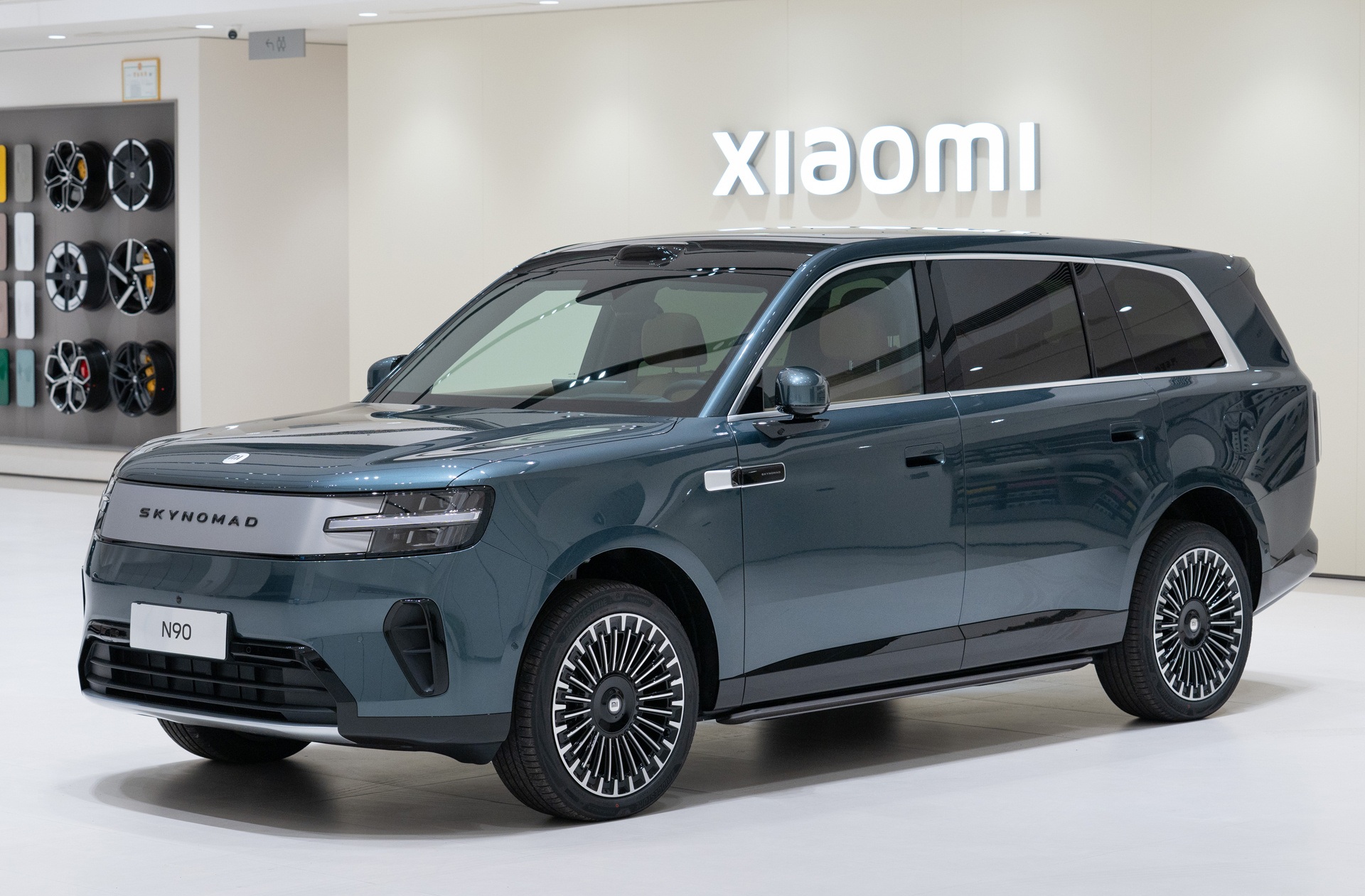
From sales performance to user demographics, and from marketing strategy to product positioning, the Xiaomi YU7 has delivered remarkable achievements.
The automotive market research media “Che Fans” released a 72-hour frontline report on the launch of the Xiaomi YU7, including data analysis on new car orders, customer profiles, and configuration preferences.
From the sales data, the market performance of the Xiaomi YU7 has exceeded expectations, with an average of 800–900 new locked orders per store nationwide and a lock-in rate remaining at a high level of 75%–80%. Notably, 90% of in-store customers came specifically for the YU7, creating a rare phenomenon of “purposeful visits.”

Unlike the traditional launch strategy of automakers, Xiaomi adopted a combination of “three-month pre-launch hype + June showroom arrivals,” meaning most customers had already seen the actual car before its official release.
This “experience-first, purchase-later” model significantly improved conversion efficiency, as evidenced by the surge in weekend test drives, indicating strong consumer interest and purchase intent.
In terms of user demographics, the core consumer base consists of young people aged 22–35, with males accounting for 55%. Notably, in first- and second-tier cities, the proportion of female decision-makers showed a clear upward trend. Compared to the SU7, YU7 buyers are slightly older, with post-95 young families emerging as the key customer group. The trade-in/upgrade ratio reached 60%–70%, while only about 5% of orders were transferred from the SU7, indicating that the YU7 has successfully tapped into a new market.

Configuration preferences also showed distinct trends: 55% of users opted for the standard version priced at 253,500 yuan, while 20% chose the high-end MAX version. In terms of color schemes, titanium metal exterior and pine gray/iris purple interiors were the most popular, with an average add-on spending of 15,000–20,000 yuan per vehicle.
User feedback highlighted the exterior design, 700km+ range, and the Xiaomi HyperVision as the primary purchase drivers. Family-oriented features like motion sickness prevention also received positive reviews.

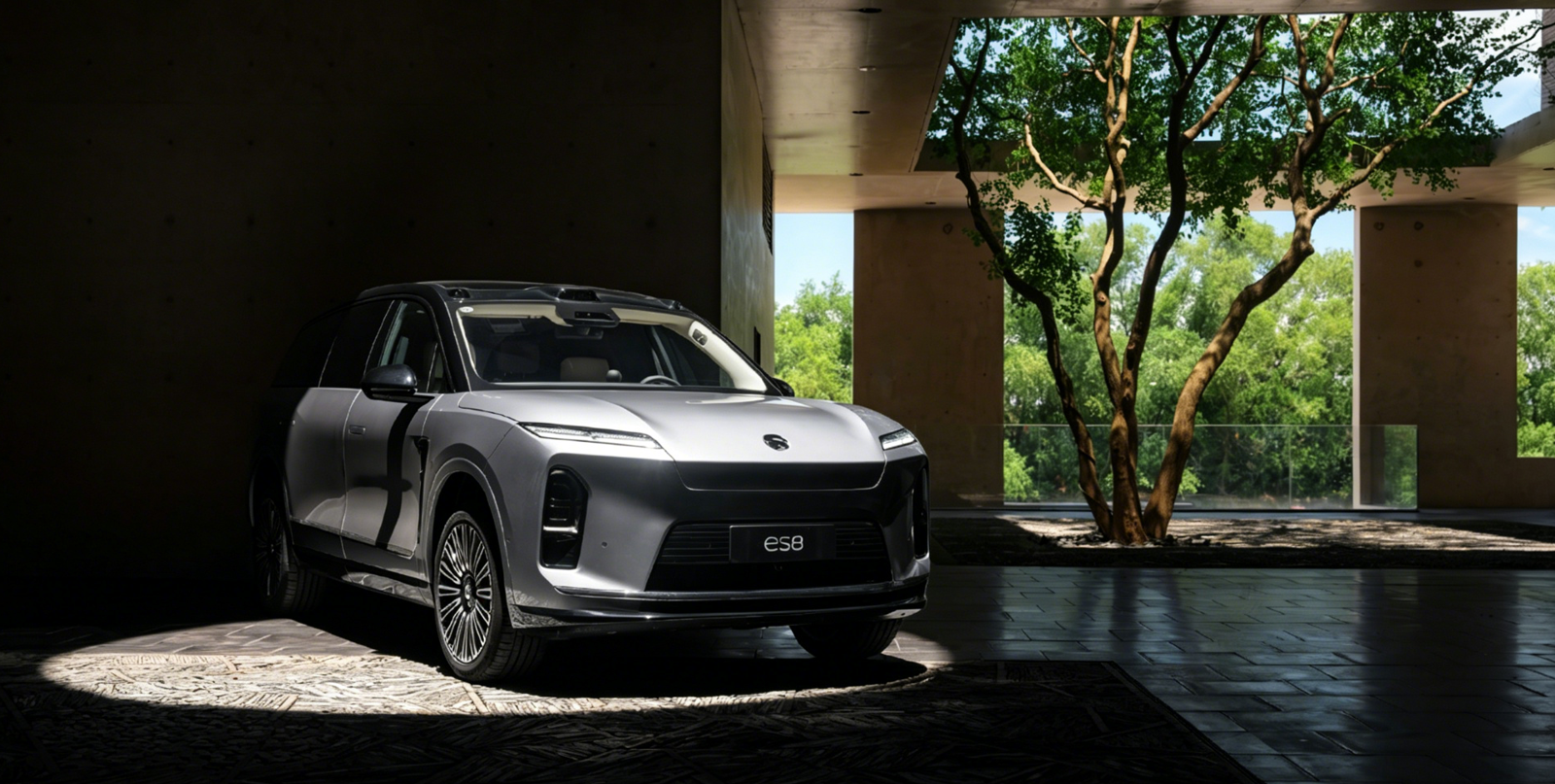
Finally, let’s look at competitor comparison data. The most frequently compared model was the Tesla Model Y, mentioned by 10% of customers.
Regional differences exist in comparison rates. In first- and second-tier cities, there was almost no comparison—when customers visited, the brands they mentioned were mainly Tesla and NIO, but no actual comparisons were made. In third- and fourth-tier cities, customers rarely compared the YU7 to mainstream models like the Tesla, Zeekr, or AITO.
In contrast, at Tesla, Li Auto, Zeekr, and NIO stores, the Xiaomi YU7 was mentioned as a competitor at a rate of over 50%. This suggests that Xiaomi has attracted a large number of customers, leading to increased foot traffic at competing brand stores, especially those near Xiaomi outlets.
The in-store customers were predominantly young, with a high proportion of female decision-makers. Young families were the main demographic, prioritizing exterior and interior design, with a noticeable increase in acceptance of pure electric vehicles. The dual zero-gravity seats were frequently mentioned among competing models, with surprisingly strong customer awareness.

Overall, the launch of the Xiaomi YU7 has not only put significant pressure on the Tesla Model Y but also heightened the sense of urgency among other domestic brands. Previously, there was speculation about whether the YU7 could replicate the SU7’s hype—now, it seems that concern was largely unnecessary.
Of course, given the current order volume, the YU7’s delivery cycle will likely be extended. How to maintain user anticipation and sustain product buzz during the waiting period may be Xiaomi’s next challenge.
Discover more from ChinaEVHome
Subscribe to get the latest posts sent to your email.